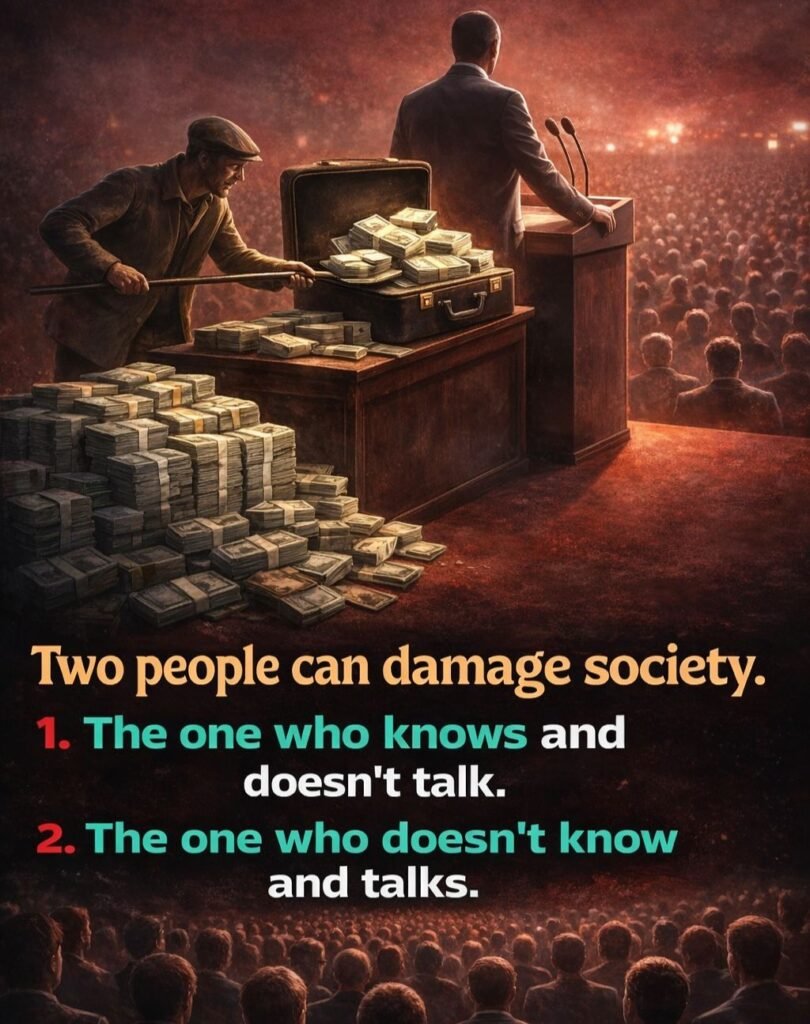
Two People Can Damage Society
The Silent Knower and the Noisy Ignorant
History proves that societies rarely collapse from one cause alone. Moral decay, political corruption, and cultural confusion are often blamed—and rightly so—but Scripture exposes something deeper and more unsettling. Societal breakdown is frequently accelerated not only by those who do evil openly, but by those who mishandle truth quietly. The Apostle Paul warned that destruction does not come only through deliberate rebellion, but through negligence, silence, ignorance, and misdirected zeal.
In every generation, two types of people quietly undermine truth and corrode the spiritual foundation of society. One knows the truth but refuses to speak. The other speaks loudly but does not know the truth. One withholds light; the other multiplies noise. Together, they form a devastating partnership—often unintentionally—yet with consequences that ripple far beyond individual lives.
Paul summarized the danger with sobering simplicity: “A little leaven leaveneth the whole lump.” Error does not need to dominate to destroy. It only needs space to spread. And space is created either when truth is suppressed or when ignorance is amplified.
In the present Dispensation of Grace, God is not calling believers to retreat into silence or to shout religious slogans into the void. He is calling stewards—men and women who understand truth, rightly divide Scripture, and speak with clarity, courage, and grace. When this calling is neglected, society pays the price.
The first figure—the silent knower—is often admired for humility, tolerance, and restraint. Yet Scripture paints a far less flattering picture when truth is knowingly withheld. Paul declared, without apology, “Woe is unto me, if I preach not the gospel.” His words were not born of arrogance, but of stewardship. Truth received is truth entrusted, and entrusted truth carries responsibility.
Silence, when rooted in fear rather than wisdom, becomes disobedience. Many believers understand grace clearly. They see doctrinal error. They recognize confusion between law and grace, Israel and the Church, works and faith. Yet they remain quiet—not because they lack understanding, but because they fear conflict, rejection, or social cost. Truth stays locked in the mouth, hidden behind politeness or false humility.
This silence does not preserve peace; it forfeits influence. When truth is not spoken, it is not neutral—it is unused. And unused truth does not remain dormant; it allows error to grow unchecked. Light that is hidden does not illuminate darkness. It leaves it intact.
Closely related is knowledge without courage. There is a subtle difference between ignorance and silent conviction. The silent knower is not confused. He believes rightly but refuses to confess boldly. Faith remains private, internal, and disconnected from public witness. Paul dismantles this posture decisively: “I am not ashamed of the gospel of Christ.” Shame is not always emotional embarrassment; often it is manifested as avoidance.
Fear of men silences more truth than persecution ever has. In cultures where social acceptance is currency, bold proclamation is seen as risky. Conviction becomes private opinion. Grace becomes a personal comfort rather than a public message. Yet faith that never speaks does not spread, and grace that is never declared never liberates others.
Paul’s ministry stands in stark contrast. He preached in hostile synagogues, pagan cities, and Roman prisons. His boldness was not reckless, but rooted in confidence that the gospel itself carries power. Silence may feel safe, but it starves society of the very message capable of transformation.
Another damaging form of silence appears when believers see error but refuse correction. Scripture does not permit passive observation of deception. Paul commands believers to reprove works of darkness—not to argue endlessly, but to expose truthfully. Silence in the presence of error is not neutrality; it is participation.
When false teaching spreads unchallenged, silence becomes consent. Error thrives in environments where no one is willing to speak clearly. The silent knower may tell himself that engagement is unnecessary or divisive, but Scripture is clear: light that never exposes darkness serves darkness.
Opposite the silent knower stands the noisy ignorant. If silence starves truth, noise suffocates it. The ignorant speaker is not always malicious; often he is sincere, passionate, and confident. Yet sincerity without understanding is not harmless—it is dangerous.
Paul warned Timothy of men who desired to be teachers, “understanding neither what they say, nor whereof they affirm.” These are not silent people. They speak often, loudly, and authoritatively. Volume replaces study. Confidence substitutes for comprehension. Assumed authority fills the gap left by absent knowledge.
Modern culture rewards noise. Platforms amplify opinions. Social media elevates emotion over examination. As a result, influence is frequently divorced from instruction. Many speak to thousands without ever submitting to Scripture’s demand for rightly divided truth. Tradition is repeated, slogans are recycled, and error is multiplied at digital speed.
Zeal compounds the problem. Paul acknowledged that religious passion can exist without knowledge. Emotionally charged teaching may inspire, but inspiration without doctrine eventually misleads. Heat without light does not clarify—it burns. When feeling replaces understanding, believers are stirred without being strengthened.
This zeal often appears virtuous. Passionate voices are praised for “bold faith” even when their message confuses law and grace, mixes dispensations, or distorts the gospel. Sincerity becomes a shield against correction. Yet Scripture is unwavering: zeal does not sanctify error.
Another critical failure of the noisy ignorant is teaching without workmanship. The Bible is not a collection of interchangeable verses. Paul commands believers to rightly divide the Word of truth, recognizing distinctions God Himself established. When Scripture is mishandled, confusion follows. Israel’s promises are applied to the Church. Kingdom doctrine is imposed on grace-age believers. Commands meant for another dispensation become burdens God never intended.
Wrong division always leads to wrong direction. Believers become uncertain, unstable, and spiritually exhausted. Assurance weakens. Growth stalls. Grace is obscured beneath layers of obligation.
Tradition plays a significant role in this confusion. Many speak confidently not because they have studied Scripture, but because they inherited beliefs unquestioned. Denominational loyalty often replaces biblical examination. What has always been said is assumed to be correct. Yet tradition repeated long enough becomes error defended.
Paul warned believers not to be spoiled through philosophy, vain deceit, and traditions of men. When tradition is elevated above revelation, truth is slowly suffocated. Noise increases, clarity decreases, and society absorbs religious confusion rather than spiritual truth.
Perhaps the most dangerous development in modern times is influence without instruction. Never before have so many voices reached so many people with so little accountability. James warned that teachers would receive stricter judgment for a reason. Influence multiplies consequences. Error spoken privately damages a few; error broadcast publicly damages many.
Platforms reward engagement, not accuracy. Likes replace light. Popularity substitutes for truth. And the louder the voice, the more authority it is assumed to carry. This environment allows ignorance to spread faster than truth ever could—unless truth is spoken clearly, boldly, and responsibly.
God’s answer to these twin dangers—silence and noise—is stewardship. Paul described his ministry as a dispensation entrusted to him. Grace was not merely experienced; it was proclaimed. Scripture was not merely quoted; it was rightly divided. Speech was not impulsive; it was disciplined.
Sound speech heals society. Grace spoken rightly restores clarity. Truth placed properly liberates consciences. The cure is neither silence nor shouting, but faithful stewardship of God’s Word.
Believers are called to study, to stand, and to speak. Study without speech hoards truth. Speech without study spreads error. But truth studied carefully and spoken courageously becomes power.
Societies collapse when truth is hidden and ignorance is amplified. This is not a political observation—it is a biblical one. God’s solution is not louder religion or quieter conviction, but sound doctrine delivered with grace.
Silence is not humility.
Noise is not authority.
Truth, rightly spoken, is power.
Faith still comes by hearing. But what is heard matters. And who speaks—and how—matters more than ever.
The question facing every believer is not whether they will influence society, but how. Will truth be buried in silence? Or will ignorance be broadcast with confidence? Or will grace be stewarded faithfully, spoken wisely, and lived boldly?
The health of society depends on the answer.
Related posts:
 𝗦𝗢𝗠𝗘𝗧𝗜𝗠𝗘𝗦 𝗪𝗜𝗦𝗗𝗢𝗠 𝗟𝗢𝗢𝗞𝗦 𝗟𝗜𝗞𝗘 𝗧𝗛𝗜𝗦
 𝗦𝗧𝗢𝗣 𝗧𝗪𝗜𝗦𝗧𝗜𝗡𝗚 𝗚𝗢𝗗’𝗦 𝗪𝗢𝗥𝗗
 𝗜𝗡𝗙𝗟𝗨𝗘𝗡𝗖𝗜𝗡𝗚 𝗢𝗧𝗛𝗘𝗥𝗦 𝗧𝗢 𝗛𝗔𝗧𝗘: 𝗧𝗛𝗘 𝗦𝗣𝗜𝗥𝗜𝗧𝗨𝗔𝗟 𝗗𝗔𝗡𝗚𝗘𝗥
 𝗜𝗚𝗡𝗢𝗥𝗔𝗡𝗖𝗘 𝗢𝗙 𝗧𝗛𝗘 𝗦𝗖𝗥𝗜𝗣𝗧𝗨𝗥𝗘: 𝗧𝗛𝗘 𝗥𝗢𝗢𝗧 𝗢𝗙 𝗔𝗟𝗟 𝗘𝗥𝗥𝗢𝗥
 𝗦𝗜𝗟𝗘𝗡𝗧 𝗟𝗜𝗣𝗦 — 𝗣𝗘𝗥𝗜𝗦𝗛𝗜𝗡𝗚 𝗦𝗢𝗨𝗟𝗦
 𝗘𝗫𝗣𝗢𝗦𝗜𝗡𝗚 𝗙𝗔𝗟𝗦𝗘 𝗣𝗥𝗢𝗣𝗛𝗘𝗧𝗦 𝗜𝗦 𝗡𝗢𝗧 𝗦𝗜𝗡, 𝗦𝗜𝗟𝗘𝗡𝗖𝗘 𝗜𝗦
 𝗕𝗥𝗜𝗖𝗞 𝗪𝗔𝗟𝗟 𝗘𝗔𝗥𝗦 𝘃𝘀 𝗕𝗥𝗔𝗦𝗦 𝗭𝗜𝗣𝗣𝗘𝗥 𝗟𝗜𝗣𝗦
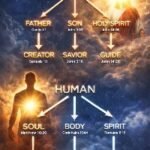 𝗚𝗢𝗗 𝗔𝗡𝗗 𝗠𝗔𝗡: 𝗥𝗜𝗚𝗛𝗧𝗟𝗬 𝗗𝗜𝗩𝗜𝗗𝗘𝗗 𝗗𝗘𝗦𝗜𝗚𝗡
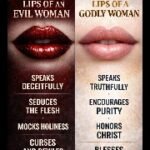 𝗧𝗛𝗘 𝗟𝗜𝗣𝗦 𝗧𝗛𝗔𝗧 𝗟𝗘𝗔𝗗 𝗢𝗥 𝗟𝗜𝗣𝗦 𝗧𝗛𝗔𝗧 𝗟𝗜𝗙𝗧
 𝗕𝗢𝗦𝗦𝗬 𝗪𝗜𝗙𝗘 𝘃𝘀. 𝗕𝗜𝗕𝗟𝗜𝗖𝗔𝗟𝗟𝗬 𝗕𝗘𝗛𝗔𝗩𝗜𝗡𝗚 𝗪𝗜𝗙𝗘
 𝗖𝗢𝗡𝗙𝗨𝗦𝗜𝗢𝗡 𝘃𝘀 𝗖𝗥𝗘𝗔𝗧𝗜𝗢𝗡
 𝗪𝗢𝗥𝗟𝗗𝗟𝗬 𝗖𝗛𝗥𝗜𝗦𝗧𝗜𝗔𝗡 𝘃𝘀. 𝗦𝗣𝗜𝗥𝗜𝗧𝗨𝗔𝗟 𝗖𝗛𝗥𝗜𝗦𝗧𝗜𝗔𝗡
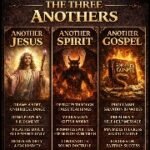 𝗧𝗛𝗘 𝗧𝗛𝗥𝗘𝗘 𝗔𝗡𝗢𝗧𝗛𝗘𝗥𝗦
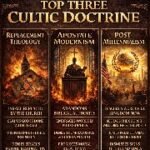 𝗧𝗢𝗣 𝗧𝗛𝗥𝗘𝗘 𝗖𝗨𝗟𝗧𝗜𝗖 𝗗𝗢𝗖𝗧𝗥𝗜𝗡𝗘𝗦