The theological landscape of the current era is often cluttered with the debris of human effort, yet a clinical audit of the Pauline record reveals that the definitive power for the human soul is localized in a singular, biological, and spiritual medium: the blood of Jesus Christ. While various religious systems attempt to prescribe a regimen of behavioral modification, ritualistic adherence, or legislative morality to appease the Divine, a professional investigation into the epistles of the Apostle Paul identifies that the current administration of the Grace of God operates on an entirely different mechanical basis. In this present dispensation, the Almighty is not offering forgiveness through the blood of bulls and goats, nor through the ceremonies of a carnal commandment, but through the specific, shed blood of His Son. As documented in Ephesians 1:7, “In whom we have redemption through his blood, the forgiveness of sins, according to the riches of his grace.” This inquiry seeks to establish that the blood is not a mere theological symbol or a poetic metaphor, but a sufficient, final, and judicially powerful reality that anchors the Body of Christ in a state of permanent justification.
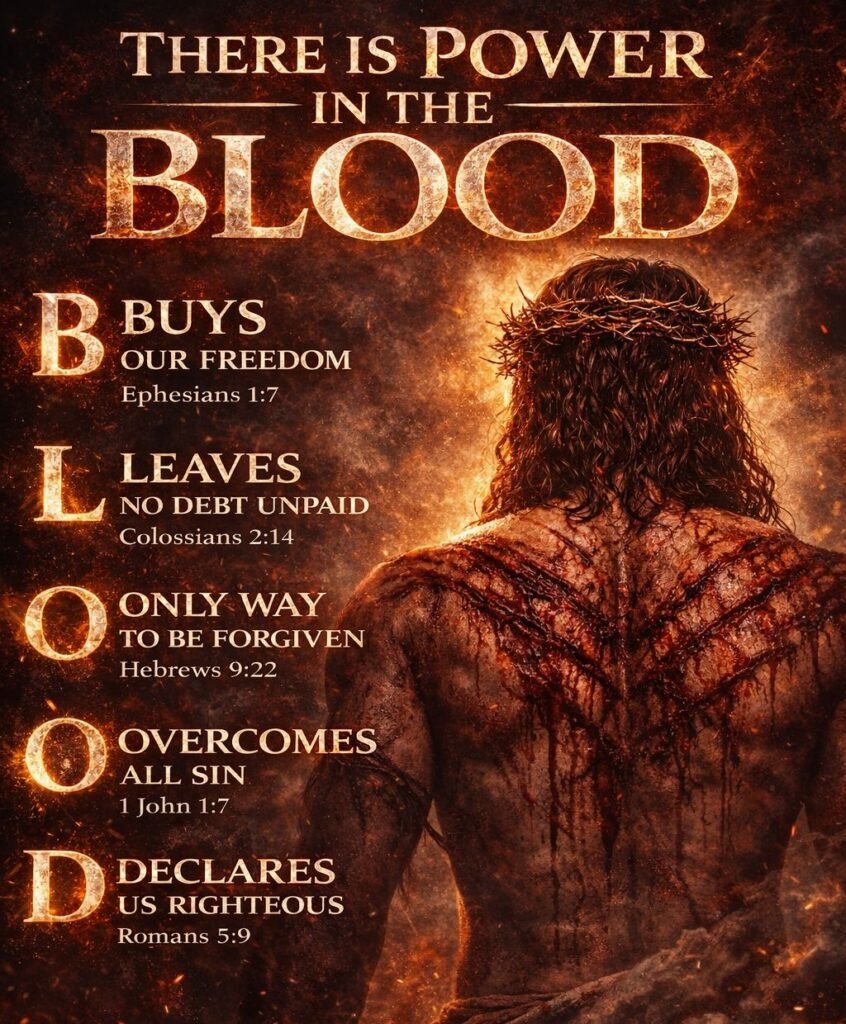
A foundational pillar of this forensic inquiry begins with the reality that the believer has been bought by the blood of Christ. The investigation identifies that the problem of human depravity is not a minor lapse in judgment but a terminal legal debt that required a specific ransom. 1 Corinthians 6:20 provides the administrative data: “For ye are bought with a price: therefore glorify God in your body, and in your spirit, which are God’s.” This purchased redemption indicates that the believer is not borrowed or on probation, but is the permanent property of the Redeemer. The investigative findings in 1 Peter 1:18–19 clarify that this was a priceless ransom, noting that we were not redeemed with corruptible things, as silver and gold, but with the precious blood of Christ, as of a lamb without blemish and without spot. This permanent release was secured once for all, as Hebrews 9:12 records that by His own blood He entered in once into the holy place, having obtained eternal redemption for us. This blood-based transaction results in a personal relationship where those who were once “far off” are made “nigh by the blood of Christ” (Ephesians 2:13).
The investigation further reveals that the believer has been legally cleared by the blood, a reality that effectively cancelled the universal legal debt of the human race. Colossians 2:14 provides the forensic evidence of this cancellation: “Blotting out the handwriting of ordinances that was against us, which was contrary to us, and took it out of the way, nailing it to his cross.” This indicates that the Law, with its impossible demands and crushing weight, was judicially satisfied and removed as a barrier. The liability has been lifted, and as Romans 8:33 asks with investigative boldness, “Who shall lay any thing to the charge of God’s elect? It is God that justifieth.” The ledger has been erased, and the sins of the believer are blotted out, fulfilling the promise of Acts 13:38–39 that through this man is preached the forgiveness of sins, and by Him all that believe are justified from all things. This liberty granted by the blood means the believer is free from condemnation, standing in a “case closed” status before the high court of heaven.
An exhaustive audit of the Scriptural data confirms that the blood is the only way of forgiveness in the present age. Hebrews 9:22 establishes the clinical rule: “And almost all things are by the law purged with blood; and without shedding of blood is no remission.” This one sacrifice, offered once for all (Hebrews 10:10), renders all other religious attempts at forgiveness obsolete. There is no other name under heaven given among men whereby we must be saved (Acts 4:12), and there is no other substance that can reach the deep-seated defilement of the human conscience. The investigation identifies that the believer’s standing is one of complete forgiveness, predicated on the reality that God, for Christ’s sake, hath forgiven us (Ephesians 4:32). This one gospel of grace, defined in 1 Corinthians 15:1–4, excludes all substitutes, human merits, and religious rituals, focusing solely on the efficacy of the blood-shedding at Calvary.
The investigation into the overcoming power of the blood identifies a continuous, purifying operation that sustains the believer’s walk. 1 John 1:7 provides the investigative lead: “But if we walk in the light, as he is in the light, we have fellowship one with another, and the blood of Jesus Christ his Son cleanseth us from all sin.” This ongoing cleansing is not a repetitive ritual but a perpetual state of purification that allows for uninterrupted fellowship with the Divine. Furthermore, the blood acts as a silencing agent against the accuser of the brethren. Revelation 12:11 records that “they overcame him by the blood of the Lamb, and by the word of their testimony.” This indicates that the Satanic accusations regarding the believer’s failures are judicially overruled by the presence of the blood on the mercy seat. This operative victory allows the believer to walk in newness of life (Romans 6:4), possessing an overcoming identity as someone who is “more than a conqueror” through Him that loved us (Romans 8:37).
A critical segment of this forensic audit focuses on the fact that the believer is declared righteous by the blood. Romans 5:9 provides the definitive legal verdict: “Much more then, being now justified by his blood, we shall be saved from wrath through him.” Justification is a forensic term, meaning to be declared righteous in a court of law. This divine verdict signifies that the believer is not merely pardoned but is viewed as possessing the very righteousness of God in Christ (2 Corinthians 5:21). This status ensures that the believer is rescued ahead of judgment, being delivered from the “wrath to come” (1 Thessalonians 1:10). The investigation finds that the believer is not undergoing a moral reformation to earn heaven, but has been recreated as a saint, destined for glory as a joint-heir with Christ (Romans 8:17). Grace does not fix the old nature; it provides a new standing based on the blood.
The total sufficiency of the finished work of Christ leads to the inescapable conclusion that the power for salvation is not in human performance but in the precious blood. Everything God requires—payment for sin, purity of conscience, peace of mind, and position in the heavenly places—has already been provided. The investigation observes that the blood satisfied the righteous demands of the Law and the holy character of God, leaving nothing for the sinner to do but believe the record. Colossians 1:20 summarizes the forensic result: “And, having made peace through the blood of his cross, by him to reconcile all things unto himself.” The cross was the place of execution, but the blood was the price of peace. The believer is not “making peace” with God; they are “receiving the atonement” (Romans 5:11).
A call to action is directed to every reader of this investigative report. The evidence demands a personal verdict. One must trust fully in the blood of Christ as the exclusive means of salvation and standing. Stand firm in the Pauline doctrine of grace, which identifies the blood as the anchor of the soul. Rest in finished-work righteousness and reject the crushing weight of guilt and legalism. Live boldly as the redeemed, recognizing that the price of your freedom has been paid by the highest currency in the universe. If you are not saved, believe the gospel today: that Christ died for your sins, was buried, and rose again. Faith in His blood is the only entry point into the life and victory described in these pages.
The investigation into the “propitiation” of the blood provides additional clinical insights into the character of God. Romans 3:25 states that God hath set forth Christ “to be a propitiation through faith in his blood, to declare his righteousness for the remission of sins that are past.” To propitiate is to satisfy or appease a righteous demand. The investigation finds that the blood was not just for man’s benefit, but it was for God’s “declaration.” It proved that God is “just, and the justifier of him which believeth in Jesus” (Romans 3:26). By pouring out His wrath on the Substitute, God remained holy while displaying infinite grace. The blood is the only ground upon which a holy God and a sinful man can meet without the man being consumed.
The investigation also explores the “sanctification” provided by the blood. Hebrews 13:12 records that Jesus, “that he might sanctify the people with his own blood, suffered without the gate.” To sanctify is to set apart for a holy purpose. The investigator notes that this setting apart is a positional reality before it is a practical experience. The believer is “sanctified in Christ Jesus” (1 Corinthians 1:2) because of the blood. This provides a clean slate and a new identity that is separate from the world’s systems and the flesh’s failures. The power of the blood is thus not only to save from the penalty of sin but to set the believer apart from the power and defilement of sin in this present evil world.
Furthermore, the audit identifies the “boldness” that the blood provides for the believer’s prayer life. Hebrews 10:19 instructs us: “Having therefore, brethren, boldness to enter into the holiest by the blood of Jesus.” In the Old Testament dispensation, only the High Priest could enter the holiest once a year with fear and trembling. The investigation highlights the radical shift under grace: the believer has 24/7 access to the throne of God with absolute confidence. This boldness is not based on the believer’s prayer life, their faithfulness, or their feelings, but strictly on the “blood of Jesus.” The blood is the “all-access pass” to the presence of the Almighty, ensuring that our requests are heard and our needs are met “according to his riches in glory” (Philippians 4:19).
The investigation into the “conscience” adds another layer to the blood’s efficacy. Hebrews 9:14 asks rhetorically, “How much more shall the blood of Christ… purge your conscience from dead works to serve the living God?” Many religious people suffer from a “defiled conscience,” constantly trying to perform “dead works” to feel accepted. The forensic report identifies that the blood of Christ purges the conscience by assuring the mind that the work is finished. When the conscience is purged, the believer is free from the debilitating cycle of guilt and can serve God out of love and gratitude rather than fear and obligation. The power of the blood is thus the power of a clear conscience and a sound mind.
The geopolitical and dispensational implications of the blood are also significant. Paul explains in Ephesians 2:13–15 that the blood of Christ has broken down the “middle wall of partition” between Jew and Gentile. Under the Law, the blood of the covenant was for Israel alone. But the investigation finds that the blood of the cross has created “of twain one new man.” This new creation, the Body of Christ, is a non-national, non-racial spiritual organism where the blood of the Savior is the common denominator. The investigator concludes that the blood effectively dismantled the religious hierarchy of the ancient world, offering equal standing to all who believe the gospel of grace.
The investigation also touches upon the “victory over death” secured by the blood. Because the blood paid the sin debt, and “the sting of death is sin” (1 Corinthians 15:56), the power of death has been broken. Hebrews 2:14–15 explains that through death, Christ destroyed him that had the power of death, that is, the devil, and delivered them who through fear of death were all their lifetime subject to bondage. The investigator finds that the blood-redeemed believer can face the end of this earthly life with the confidence of 1 Corinthians 15:57: “But thanks be to God, which giveth us the victory through our Lord Jesus Christ.” The blood that saves also sustains the believer through the valley of the shadow of death.
The final summary of this forensic audit reiterates that the blood of Jesus Christ is the central, non-negotiable component of the Pauline gospel. It is the price of our redemption, the basis of our justification, the source of our cleansing, and the guarantee of our victory. The investigator observes that any message that minimizes the blood or replaces it with human psychology, social activism, or religious ritual is a “perversion of the gospel of Christ” (Galatians 1:7). The power is in the blood because the life is in the blood, and the life of the Son of God was given to provide life to a dead world.
As the forensic report closes, it reminds the reader that the blood of Christ is currently on the “mercy seat” in heaven, speaking “better things than that of Abel” (Hebrews 12:24). While Abel’s blood cried out for vengeance, Christ’s blood cries out for mercy and grace. This “voice” of the blood is the reason why the believer can stand in a state of “no condemnation.” The investigation is finished, but the efficacy of the blood remains eternal. Ensure your standing is correct, your hope is anchored in the finished work, and your life is a testimony to the power of the blood.
The call to the ministry of reconciliation remains urgent. We are ambassadors for Christ, beseeching a world to be reconciled to God through the blood of the cross (2 Corinthians 5:20). The door of grace is open, and the price of entry has been paid. “Believe on the Lord Jesus Christ, and thou shalt be saved” (Acts 16:31). The blood has satisfied God; let it satisfy you.
The investigative findings are complete. The record stands as a testimony to the sufficiency of the blood of Jesus Christ to save to the uttermost all that come unto God by Him. The believer is equipped with a permanent standing, a perfect righteousness, and a perpetual victory. The blood paid it all; the law is satisfied; forgiveness is complete; victory is ongoing; righteousness is declared. Stand fast in this truth and walk in the liberty wherewith Christ hath made us free.
The investigation observes that the term “precious” is often used to describe the blood because its value is literally infinite. In the economy of God, the blood of one Man was sufficient to outweigh the sins of all men for all time. This is the “mystery” of the substitution: the Infinite for the finite, the Sinless for the sinful. The investigator finds that this “infinite value” is what provides the believer with “eternal security.” If the blood had only finite value, salvation could be lost. But because the price was infinite and eternal, the redemption is “eternal” (Hebrews 9:12). The believer’s safety is as secure as the blood of Christ itself.
Finally, the forensic audit notes that the blood provides the basis for the believer’s “inheritance.” Romans 8:17 declares us to be “heirs of God, and joint-heirs with Christ.” This inheritance was not earned; it was bequeathed through the death of the Testator. Hebrews 9:15–16 explains that for a testament to be in force, there must be the death of the testator. The blood of Christ is the “blood of the new testament,” ensuring that all the promises of God are “yea” and “amen” to those in Christ. The investigator concludes that the believer is not a beggar at the gate but a child at the table, legally entitled to the riches of grace because of the blood.
The report is closed. The Savior is risen. The blood is sufficient. The grace is free. Trust the blood and live in the power of the finished work of Jesus Christ. “For by one offering he hath perfected for ever them that are sanctified” (Hebrews 10:14). The forensic record is sealed by the Spirit, and the believer is complete in Him.
Related posts:
 𝗧𝗛𝗘 𝗖𝗥𝗢𝗦𝗦: 𝗚𝗢𝗗’𝗦 𝗣𝗢𝗪𝗘𝗥 𝗙𝗢𝗥 𝗦𝗔𝗟𝗩𝗔𝗧𝗜𝗢𝗡
 𝗧𝗛𝗘 𝗥𝗘𝗩𝗘𝗟𝗔𝗧𝗜𝗢𝗡 𝗢𝗙 𝗧𝗛𝗘 𝗧𝗥𝗜𝗡𝗜𝗧𝗬
 𝗛𝗢𝗪 𝗚𝗢𝗗 𝗗𝗘𝗖𝗟𝗔𝗥𝗘𝗦 𝗔 𝗦𝗜𝗡𝗡𝗘𝗥 𝗥𝗜𝗚𝗛𝗧𝗘𝗢𝗨𝗦
 𝗢𝗡𝗟𝗬 𝗢𝗡𝗘 𝗘𝗠𝗣𝗧𝗬 𝗧𝗢𝗠𝗕
 𝗕𝗘𝗟𝗜𝗘𝗩𝗘𝗥’𝗦 𝗕𝗔𝗧𝗧𝗟𝗘𝗙𝗜𝗘𝗟𝗗 𝗢𝗙 𝗧𝗛𝗘 𝗠𝗜𝗡𝗗
 𝗧𝗛𝗘 𝗧𝗥𝗜𝗖𝗛𝗢𝗧𝗢𝗠𝗬 𝗢𝗙 𝗠𝗔𝗡
 𝗪𝗛𝗢 𝗦𝗔𝗬𝗦 𝗝𝗘𝗦𝗨𝗦 𝗖𝗛𝗥𝗜𝗦𝗧 𝗜𝗦 𝗚𝗢𝗗?
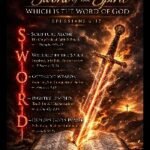 𝗧𝗛𝗘 𝗦𝗪𝗢𝗥𝗗 𝗢𝗙 𝗧𝗛𝗘 𝗦𝗣𝗜𝗥𝗜𝗧 — 𝗧𝗛𝗘 𝗪𝗢𝗥𝗗 𝗢𝗙 𝗚𝗢𝗗
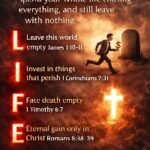 𝗟𝗜𝗙𝗘 — 𝗧𝗛𝗘 𝗚𝗥𝗘𝗔𝗧 𝗘𝗧𝗘𝗥𝗡𝗔𝗟 𝗤𝗨𝗘𝗦𝗧𝗜𝗢𝗡
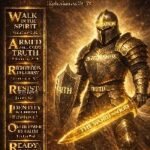 𝗧𝗛𝗘 𝗖𝗛𝗥𝗜𝗦𝗧𝗜𝗔𝗡 𝗪𝗔𝗥𝗥𝗜𝗢𝗥
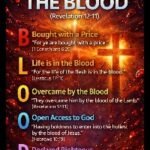 𝗧𝗛𝗘𝗥𝗘 𝗜𝗦 𝗣𝗢𝗪𝗘𝗥 𝗜𝗡 𝗧𝗛𝗘 𝗕𝗟𝗢𝗢𝗗
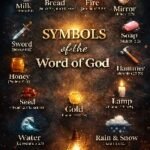 𝗦𝗬𝗠𝗕𝗢𝗟𝗦 𝗢𝗙 𝗧𝗛𝗘 𝗪𝗢𝗥𝗗 𝗢𝗙 𝗚𝗢𝗗
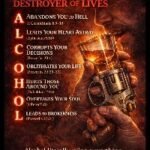 𝗔𝗟𝗖𝗢𝗛𝗢𝗟 — 𝗗𝗘𝗦𝗧𝗥𝗢𝗬𝗘𝗥 𝗢𝗙 𝗠𝗔𝗡𝗬 𝗟𝗜𝗩𝗘𝗦
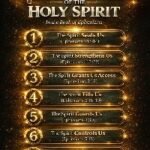 𝗧𝗛𝗘 𝟳 𝗕𝗟𝗘𝗦𝗦𝗜𝗡𝗚𝗦 𝗢𝗙 𝗧𝗛𝗘 𝗛𝗢𝗟𝗬 𝗦𝗣𝗜𝗥𝗜𝗧