
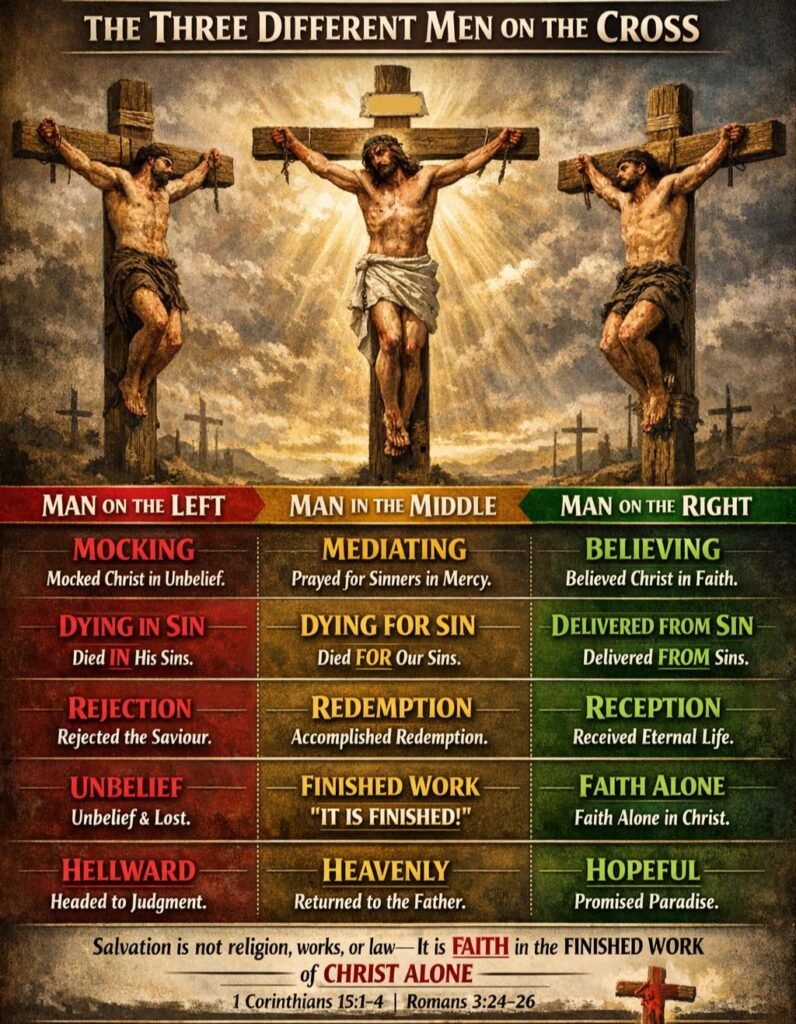
INTRODUCTION: CALVARY AS A MIRROR OF HUMANITY
The crucifixion of Jesus Christ is often approached as a singular religious event—sacred, emotional, and distant from modern life. Yet when examined carefully, Calvary functions less like a stained-glass scene and more like a public crossroads. Three men were executed together, under the same sky, by the same authority, at the same hour. Their physical circumstances were nearly identical. Their spiritual responses could not have been more different.
At Calvary, three men hung on three crosses—but they represent three enduring spiritual conditions that continue to define humanity:
• Rejection of truth • Redemption accomplished • Reception by faith
The scene offers no neutral ground. Each man responded decisively to Christ, and those responses continue to frame the essential question of salvation. In the dispensation of grace, Scripture makes clear that redemption is not secured through religious effort, moral improvement, or adherence to law. Salvation rests entirely on faith in the finished work of Jesus Christ—His death, burial, and resurrection (1 Corinthians 15:1–4).
The crosses at Calvary were not arranged randomly. Christ stood at the center, flanked by two criminals whose reactions reveal the full spectrum of human response to divine grace. Physical closeness to Jesus proved irrelevant. What mattered was belief.
THE MAN ON THE LEFT: REJECTION IN ITS FINAL FORM
The first criminal represents a posture that remains common wherever the gospel is proclaimed—exposure without acceptance.
Mocking Without Mercy
Luke records that one of the criminals “railed on him” (Luke 23:39). His words were sharp, dismissive, and demanding: “If thou be Christ, save thyself and us.” This was not an appeal for mercy, but a challenge rooted in unbelief.
The man did not deny Christ’s power outright; he attempted to exploit it. His demand revealed a transactional view of faith—one that seeks benefit without repentance. When deliverance did not come on his terms, contempt followed.
Such responses are not confined to ancient history. Mockery often surfaces when truth confronts pride. Rather than submit, the natural heart deflects with sarcasm or hostility.
Dying in Sin
There is no indication that this man acknowledged his guilt. He showed no fear of God, no confession of wrongdoing, and no recognition of Christ’s innocence. His suffering did not soften his heart.
Jesus had warned earlier, “If ye believe not that I am he, ye shall die in your sins” (John 8:24). That warning finds its embodiment here. Pain does not pay for sin. Proximity to holiness does not cleanse guilt. Without faith, sin remains.
Grace Refused
The tragedy of this man’s death lies not in ignorance but in refusal. He saw Christ. He heard Christ. He witnessed grace under fire—and rejected it.
John’s explanation remains as relevant now as it was then: “Men loved darkness rather than light” (John 3:19). Grace was available, but pride closed the door.
THE MAN IN THE MIDDLE: REDEMPTION ON DISPLAY
At the center of the scene stood Jesus Christ, not merely as an innocent sufferer, but as the deliberate substitute for sinners. His cross was not symbolic; it was functional. Redemption was being accomplished in real time.
Mediating in Mercy
One of Christ’s first recorded statements from the cross was a prayer—not for relief, but for forgiveness: “Father, forgive them; for they know not what they do” (Luke 23:34).
This prayer redefines power. In the face of injustice and brutality, Christ exercised authority not through retaliation, but through intercession. He did not excuse sin, but He appealed for mercy on behalf of sinners.
Here, the heart of God is made visible. Grace does not wait for worthiness. It moves toward the undeserving.
Dying for Sin
The cross was not a tragic miscalculation. It was the execution of a divine plan. Peter later summarized its meaning with precision: “Christ also hath once suffered for sins, the just for the unjust, that he might bring us to God” (1 Peter 3:18).
Jesus did not die as a moral example alone. He died as a substitute. The innocent bore the penalty of the guilty. Justice was satisfied, not suspended.
A Finished Work
Near the end of His suffering, Jesus declared, “It is finished” (John 19:30). The phrase signaled completion, not collapse. The debt of sin was paid in full.
This declaration dismantles the notion that salvation is a cooperative effort between God and humanity. Redemption was not initiated by human effort, nor is it maintained by it. The work was completed at the cross.
THE MAN ON THE RIGHT: RECEPTION BY FAITH ALONE
The second criminal provides one of Scripture’s clearest case studies in grace. With no time for reform, restitution, or ritual, he illustrates salvation in its purest form.
Acknowledging the Truth
Luke records that this man rebuked the other criminal, acknowledging their guilt and Christ’s innocence (Luke 23:40–41). This was more than moral clarity; it was spiritual awakening.
He recognized that Jesus was not merely another victim of Rome, but a King with a coming kingdom. In a moment when Christ appeared weakest, this man believed.
Trust Without Conditions
His request was simple: “Lord, remember me when thou comest into thy kingdom” (Luke 23:42). He asked for remembrance, not rescue.
There were no conditions, no promises of reform, no appeals to merit. Faith stood alone.
Immediate Assurance
Jesus’ response was unambiguous: “To day shalt thou be with me in paradise” (Luke 23:43). Salvation was immediate and secure.
Paul later articulated this reality: believers are “justified freely by his grace” (Romans 3:24). The thief’s salvation dismantles every argument that works, rituals, or perseverance are prerequisites for eternal life.
CONCLUSION: THREE CROSSES, ONE DECISION
At Calvary, humanity was distilled into three responses:
• One man rejected truth and died in sin. • One man accomplished redemption by dying for sin. • One man received salvation and was delivered from sin.
All three were equally close to Jesus. Only one believed.
Faith does not arise from proximity, heritage, or emotion. As Scripture affirms, “Faith cometh by hearing, and hearing by the word of God” (Romans 10:17).
The cross remains a dividing line. It does not merely invite admiration; it demands response.
CALL TO ACTION
Do not mock Christ. Do not delay faith. Do not trust religion.
Believe the gospel. Trust the finished work. Receive eternal life.
“Believe on the Lord Jesus Christ, and thou shalt be saved.” — Acts 16:31 (KJV)
FINAL THOUGHTS
Unbelief leads to judgment. Christ alone accomplished redemption. Faith alone secures salvation.
One cross. One gospel. One choice.
“Christ died for our sins.” — 1 Corinthians 15:3 (KJV)
Related posts:
 𝗧𝗛𝗘 𝗖𝗥𝗢𝗦𝗦: 𝗚𝗢𝗗’𝗦 𝗣𝗢𝗪𝗘𝗥 𝗙𝗢𝗥 𝗦𝗔𝗟𝗩𝗔𝗧𝗜𝗢𝗡
 𝗧𝗛𝗘 𝗧𝗛𝗥𝗘𝗘 𝗔𝗡𝗢𝗧𝗛𝗘𝗥𝗦
 𝗝𝗘𝗦𝗨𝗦 𝗖𝗛𝗥𝗜𝗦𝗧 𝗧𝗛𝗘 𝗠𝗘𝗦𝗦𝗜𝗔𝗛 𝗣𝗥𝗢𝗩𝗘𝗡 𝗪𝗜𝗧𝗛 𝗔𝗕𝗦𝗢𝗟𝗨𝗧𝗘 𝗖𝗘𝗥𝗧𝗔𝗜𝗡𝗧𝗬 𝗕𝗬 𝗗𝗔𝗡𝗜𝗘𝗟 𝟵
 𝗧𝗛𝗘 𝗧𝗥𝗜𝗖𝗛𝗢𝗧𝗢𝗠𝗬 𝗢𝗙 𝗠𝗔𝗡
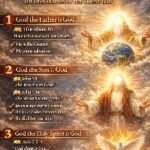 𝗧𝗛𝗘 𝗥𝗘𝗩𝗘𝗟𝗔𝗧𝗜𝗢𝗡 𝗢𝗙 𝗧𝗛𝗘 𝗧𝗥𝗜𝗡𝗜𝗧𝗬
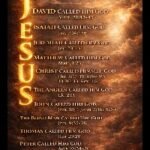 𝗪𝗛𝗢 𝗦𝗔𝗬𝗦 𝗝𝗘𝗦𝗨𝗦 𝗖𝗛𝗥𝗜𝗦𝗧 𝗜𝗦 𝗚𝗢𝗗?
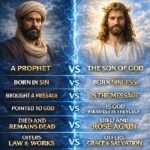 𝗠𝗨𝗛𝗔𝗠𝗠𝗔𝗗 𝗩𝗦. 𝗝𝗘𝗦𝗨𝗦 𝗖𝗛𝗥𝗜𝗦𝗧 — 𝗔 𝗠𝗔𝗧𝗧𝗘𝗥 𝗢𝗙 𝗧𝗥𝗨𝗧𝗛, 𝗡𝗢𝗧 𝗧𝗥𝗔𝗗𝗜𝗧𝗜𝗢𝗡
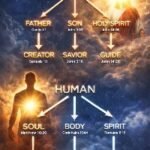 𝗚𝗢𝗗 𝗔𝗡𝗗 𝗠𝗔𝗡: 𝗥𝗜𝗚𝗛𝗧𝗟𝗬 𝗗𝗜𝗩𝗜𝗗𝗘𝗗 𝗗𝗘𝗦𝗜𝗚𝗡
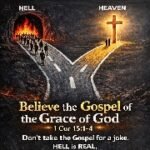 𝗛𝗘𝗟𝗟 𝗼𝗿 𝗛𝗘𝗔𝗩𝗘𝗡 — 𝗧𝗪𝗢 𝗥𝗢𝗔𝗗𝗦, 𝗢𝗡𝗘 𝗖𝗛𝗢𝗜𝗖𝗘
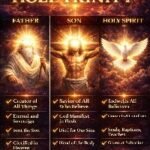 𝗧𝗛𝗘 𝗛𝗢𝗟𝗬 𝗧𝗥𝗜𝗡𝗜𝗧𝗬
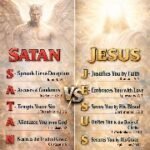 𝗦𝗔𝗧𝗔𝗡 𝘃𝘀 𝗝𝗘𝗦𝗨𝗦 — 𝗧𝗪𝗢 𝗢𝗣𝗣𝗢𝗦𝗜𝗡𝗚 𝗣𝗢𝗪𝗘𝗥𝗦, 𝗧𝗪𝗢 𝗗𝗘𝗦𝗧𝗜𝗡𝗜𝗘𝗦
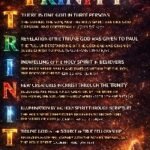 𝗧𝗛𝗘 𝗗𝗢𝗖𝗧𝗥𝗜𝗡𝗘 𝗢𝗙 𝗧𝗛𝗘 𝗧𝗥𝗜𝗡𝗜𝗧𝗬
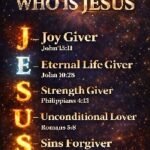 𝗪𝗛𝗢 𝗜𝗦 𝗝𝗘𝗦𝗨𝗦?
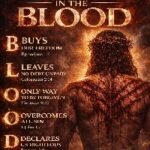 𝗧𝗛𝗘𝗥𝗘 𝗜𝗦 𝗣𝗢𝗪𝗘𝗥 𝗜𝗡 𝗧𝗛𝗘 𝗕𝗟𝗢𝗢𝗗 𝗢𝗙 𝗝𝗘𝗦𝗨𝗦 𝗖𝗛𝗥𝗜𝗦𝗧