

THE DIVINE SUSPENSION OF WRATH: A FORENSIC ANALYSIS OF THE MARVEL OF GOD’S M.E.R.C.Y.
In the contemporary jurisdiction of human morality, the concept of “justice” is often demanded, yet its execution is frequently feared. This investigative report asserts that for the inhabitant of the present Dispensation of the Grace of God, the most profound reality is not the equilibrium of justice, but the intervention of Mercy. According to the Pauline revelation, Mercy is the forensic suspension of a deserved penalty, coupled with the gracious provision of an undeserved standing. While the world seeks to “improve” the flesh through self-rehabilitation, the Gospel declares that God has dealt with the human dilemma not according to our failures, but according to His own compassion. The diagnostic baseline of this inquiry is the apostolic record: “But God, who is rich in mercy, for his great love wherewith he loved us, Even when we were dead in sins, hath quickened us together with Christ, (by grace ye are saved;)” (Ephesians 2:4–5).
As we “rightly divide the word of truth” (2 Timothy 2:15), we find that Mercy is the prerequisite for Grace. If Grace is God giving us what we could never earn, Mercy is God not giving us what we have clearly deserved. This inquiry will dismantle the facade of human merit and analyze the five-fold architecture of Divine Compassion, identified by the forensic acronym M.E.R.C.Y.
M — MORE ABUNDANT GRACE: THE OVERWHELMING SURPLUS OF MERCY
Investigating the Forensic Scale of Divine Forgiveness
The primary finding of this investigation reveals that the volume of human transgression, though immense, has been mathematically and spiritually eclipsed by the volume of Divine favor. The forensic record in Romans 5:20 establishes a law of “Super-Abundance”: “Moreover the law entered, that the offence might abound. But where sin abounded, grace did much more abound.”
The investigator identifies Mercy that Multiplies Beyond Sin. Grace does not merely “match” the debt of the sinner; it creates a surplus. This Mercy Meets the Worst Sinner, as evidenced by the Apostle Paul’s own forensic testimony: “This is a faithful saying, and worthy of all acceptation, that Christ Jesus came into the world to save sinners; of whom I am chief” (1 Timothy 1:15). If the “chief” of sinners found mercy, the investigator find that no subject is beyond the reach of the Gospel.
Furthermore, Mercy Manifests God’s Love. It is the outward demonstration of an internal attribute: “But God commendeth his love toward us, in that, while we were yet sinners, Christ died for us” (Romans 5:8). This Mercy Magnifies Christ’s Work, proving that “by one offering he hath perfected for ever them that are sanctified” (Hebrews 10:14). Finally, Mercy Makes Us New. It does not “patch up” the old man; it facilitates a “new creature” (2 Corinthians 5:17). The investigator finds that the “Abundance” of mercy is the only force capable of drowning the “Abundance” of iniquity.
E — EVEN WHEN DEAD IN SINS: THE TIMING OF DIVINE INTERVENTION
A Forensic Audit of Spiritual Resurrection
The investigation moves from the “volume” of mercy to the “condition” of the recipient. A critical finding of this report is that God’s mercy was not a “response” to human improvement, but an “initiative” taken while the subject was in a state of total spiritual putrefaction.
The investigator find that the subject was Dead in Trespasses. In the Pauline diagnosis, the sinner is not “sick” or “ailing”; he is “dead in sins” (Ephesians 2:1), possessing no capacity to self-resuscitate. During this state, the subject was Driven by the Flesh, being “by nature the children of wrath” (Ephesians 2:3). Consequently, the subject was Doomed Under Wrath, facing the “everlasting destruction” required by the holiness of God.
However, the forensic record shows the subject was Delivered by Mercy. “Not by works of righteousness which we have done, but according to his mercy he saved us” (Titus 3:5). This mercy Drawn the Sinner into Life, having “quickened us together with him, having forgiven you all trespasses” (Colossians 2:13). The investigator finds that Mercy is most marvelous because it moved toward us when we were at our most repulsive. God did not wait for the “prodigal” to reach the house; He “ran, and fell on his neck, and kissed him” while he was yet a “great way off” (Luke 15:20).
R — RECONCILED TO GOD: THE REMOVAL OF THE ENMITY
Investigating the Forensic Restoration of Peace
The investigation reveals that sin created a judicial “gulf” and a personal “enmity” between the Creator and the creature. Mercy’s primary function is the “Ministry of Reconciliation,” which removes the barrier of sin and restores the subject to a state of “Peace.” The forensic baseline is 2 Corinthians 5:18: “And all things are of God, who hath reconciled us to himself by Jesus Christ.”
The investigator find that Reconciliation is Received, not earned. We “joy in God through our Lord Jesus Christ, by whom we have now received the atonement” (Romans 5:11). This restoration is Rooted in Christ, specifically “through the blood of his cross” (Colossians 1:20). Furthermore, Reconciliation Removes Enmity. Being “justified by faith, we have peace with God” (Romans 5:1).
The forensic miracle is that Reconciliation Reveals God’s Heart, as He is “not imputing their trespasses unto them” (2 Corinthians 5:19). Finally, Reconciliation Results in Ministry. The ransomed sinner is commissioned as an “Ambassador for Christ” (2 Corinthians 5:20). The investigator finds that the “War” between the sinner and God has been settled at the Cross. Mercy has signed the peace treaty with the blood of the Son.
C — CRUCIFIED FOR US: THE MECHANICS OF SUBSTITUTION
A Forensic Analysis of the Great Exchange
The investigation find that Mercy is not “cheap.” It required a judicial satisfaction of the highest order. For God to be “just” while being the “justifier,” a substitute was required. The forensic cornerstone of this substitution is 2 Corinthians 5:21: “For he hath made him to be sin for us, who knew no sin; that we might be made the righteousness of God in him.”
The investigator find that Christ Became Sin for Us. This was a literal “carrying” of our forensic identity. Christ Carried Our Curse, having been “made a curse for us: for it is written, Cursed is every one that hangeth on a tree” (Galatians 3:13). Through this suffering, Christ Completed Redemption. The “Finished Work” of John 19:30 means no further payment is pending.
Furthermore, Christ Conquered Death. The resurrection is the forensic evidence that the “Check of Redemption” cleared the Heavenly Bank (1 Corinthians 15:4). Finally, Christ Credits Righteousness to the believer. To the one who “worketh not, but believeth,” his faith is “counted for righteousness” (Romans 4:5). The investigator finds that Mercy was possible only because the “Sword of Justice” fell upon the Shepherd instead of the sheep.
Y — YOUR SINS ARE FORGIVEN NOW: THE PRESENT REALITY OF PARDON
Investigating the Finality of the Divine Release
The final pillar of this inquiry addresses the “Duration” and “Completeness” of the pardon. In the Dispensation of Grace, forgiveness is not a “progressive hope,” but a “present possession.” The forensic record in Colossians 2:13 declares: “And you… hath he quickened together with him, having forgiven you all trespasses.”
The investigator find that You are Fully Forgiven. There are no “hidden clauses” or “unforgiven remnants.” You are Freely Justified “by his grace through the redemption that is in Christ Jesus” (Romans 3:24). Furthermore, You are Forever Cleansed. God’s forensic decree is: “And their sins and iniquities will I remember no more” (Hebrews 10:17).
The investigator find that You are Firmly Sealed “with that holy Spirit of promise” (Ephesians 1:13), ensuring that the pardon cannot be revoked. Finally, You are Forever Secure, for your life is “hid with Christ in God” (Colossians 3:3). The investigator finds that Mercy is not a “loan” that must be repaid; it is a “Settlement” that has been finalized in the highest court of the universe.
THE INVESTIGATIVE SUMMARY: THE VERDICT OF THE RICHES OF MERCY
The evidence gathered in this forensic investigation is conclusive: God’s M.E.R.C.Y. is the only explanation for the survival and salvation of the human race. It is a “Marvel” because it operates outside the bounds of human logic—reaching the dead, reconciling the enemy, and justifying the ungodly.
The forensic summary identifies the three-fold result of Mercy:
- A New Life: From “dead in sins” to “quickened with Christ.”
- A New Standing: From “guilty” to “justified and forgiven.”
- A New Relationship: From “enemy” to “ambassador.”
The final verdict is rendered: Mercy is the hand of God that held back the lightning of judgment so that the light of Grace could shine.
CALL TO ACTION: THE AMBASSADOR’S MANDATE
In light of the findings of this report, the investigator issues the following mandates to every soul:
- Admit Your Sinfulness: Surrender the “filthy rags” of your own goodness and accept the Divine indictment (Romans 3:23).
- Acknowledge Christ’s Sacrifice: Recognize that the “I AM” became the “Sacrifice” for you (Romans 5:8).
- Abandon Self-Righteousness: Stop trying to “pay” for a gift that has already been bought (Romans 10:3).
- Accept the Gospel: Trust in the forensic facts: “Christ died for our sins… was buried, and rose again” (1 Corinthians 15:1–4).
- Abide in Grace: Stand fast in the “liberty wherewith Christ hath made us free” (Galatians 5:1).
FINAL THOUGHTS: THE ARCHIVE OF THE COMPASSIONATE
- Mercy reached you when you were unreachable: The arm of the Lord is not short.
- Grace saved you when you were undeserving: It is “unmerited favor.”
- Christ died so you could live: The “Great Exchange” is complete.
- Forgiveness is full, not partial: God does not “partially” justify.
- Salvation is secure, not temporary: The “Seal” of the Spirit is permanent.
M — More abundant grace. E — Even when dead. R — Reconciled to God. C — Crucified for us. Y — Your sins forgiven.
The investigator find that the world is looking for a “Second Chance,” but God has provided a “New Life.” Mercy is the bridge over the abyss of wrath. “But God, who is rich in mercy…” (Ephesians 2:4)
Related posts:
 𝗔 𝗧𝗛𝗔𝗡𝗞𝗙𝗨𝗟 𝗦𝗜𝗡𝗡𝗘𝗥 𝗦𝗔𝗩𝗘𝗗 𝗕𝗬 𝗚𝗥𝗔𝗖𝗘
 𝗘𝗔𝗦𝗜𝗘𝗥 𝗙𝗢𝗥 𝗔 𝗖𝗔𝗠𝗘𝗟 𝗧𝗢 𝗚𝗢 𝗧𝗛𝗥𝗢𝗨𝗚𝗛 𝗧𝗛𝗘 𝗘𝗬𝗘 𝗢𝗙 𝗔 𝗡𝗘𝗘𝗗𝗟𝗘
 𝗧𝗛𝗘 𝗘𝗠𝗣𝗧𝗬 𝗧𝗢𝗠𝗕: 𝗧𝗛𝗘 𝗚𝗥𝗘𝗔𝗧𝗘𝗦𝗧 𝗣𝗥𝗢𝗢𝗙 𝗢𝗙 𝗖𝗛𝗥𝗜𝗦𝗧
 𝗦𝗔𝗟𝗩𝗔𝗧𝗜𝗢𝗡 𝗜𝗦 𝗡𝗢𝗧 𝗬𝗢𝗨𝗥 𝗚𝗢𝗢𝗗 𝗪𝗢𝗥𝗞𝗦𝗜𝗧 𝗜𝗦 𝗚𝗢𝗗 𝗙𝗜𝗡𝗜𝗦𝗛𝗘𝗗 𝗪𝗢𝗥𝗞 𝗢𝗡 𝗧𝗛𝗘 𝗖𝗥𝗢𝗦𝗦
 𝗥𝗜𝗚𝗛𝗧𝗟𝗬 𝗗𝗜𝗩𝗜𝗗𝗜𝗡𝗚 𝗣𝗘𝗧𝗘𝗥 𝗗𝗢𝗖𝗧𝗥𝗜𝗡𝗘 𝘃𝘀 𝗣𝗔𝗨𝗟 𝗗𝗢𝗖𝗧𝗥𝗜𝗡𝗘
 𝗟𝗜𝗙𝗘 𝗪𝗜𝗧𝗛𝗢𝗨𝗧 𝗝𝗘𝗦𝗨𝗦 𝘃𝘀 𝗟𝗜𝗙𝗘 𝗪𝗜𝗧𝗛 𝗝𝗘𝗦𝗨𝗦
 𝗧𝗛𝗘𝗥𝗘 𝗜𝗦 𝗡𝗢 𝗥𝗘𝗦𝗧 𝗜𝗡 𝗣𝗘𝗔𝗖𝗘 𝗪𝗜𝗧𝗛𝗢𝗨𝗧 𝗖𝗛𝗥𝗜𝗦𝗧
 𝗟𝗢𝗩𝗘: 𝗜 𝗖𝗢𝗨𝗟𝗗𝗡’𝗧 — 𝗛𝗘 𝗗𝗜𝗗
 𝗝𝗘𝗦𝗨𝗦 𝗖𝗛𝗥𝗜𝗦𝗧: 𝗧𝗛𝗘 𝗢𝗡𝗟𝗬 𝗦𝗔𝗩𝗜𝗢𝗥
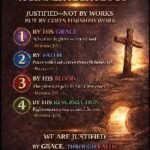 𝗛𝗢𝗪 𝗚𝗢𝗗 𝗗𝗘𝗖𝗟𝗔𝗥𝗘𝗦 𝗔 𝗦𝗜𝗡𝗡𝗘𝗥 𝗥𝗜𝗚𝗛𝗧𝗘𝗢𝗨𝗦
 𝗛𝗔𝗥𝗗 𝗧𝗥𝗨𝗧𝗛: 𝗥𝗘𝗟𝗜𝗚𝗜𝗢𝗡 𝗪𝗜𝗧𝗛𝗢𝗨𝗧 𝗖𝗛𝗥𝗜𝗦𝗧 𝗦𝗧𝗜𝗟𝗟 𝗟𝗘𝗔𝗗𝗦 𝗧𝗢 𝗛𝗘𝗟𝗟
 𝗪𝗔𝗥𝗡𝗜𝗡𝗚: 𝗥𝗘𝗝𝗘𝗖𝗧𝗜𝗡𝗚 𝗖𝗛𝗥𝗜𝗦𝗧 𝗜𝗦 𝗥𝗘𝗝𝗘𝗖𝗧𝗜𝗡𝗚 𝗬𝗢𝗨𝗥 𝗢𝗡𝗟𝗬 𝗪𝗔𝗬 𝗧𝗢 𝗛𝗘𝗔𝗩𝗘𝗡
 𝗜𝗚𝗡𝗢𝗥𝗜𝗡𝗚 𝗧𝗛𝗘 𝗧𝗥𝗨𝗧𝗛 𝗗𝗢𝗘𝗦𝗡’𝗧 𝗖𝗛𝗔𝗡𝗚𝗘 𝗧𝗛𝗘 𝗧𝗥𝗨𝗧𝗛
 𝗣𝗥𝗜𝗗𝗘 — 𝗧𝗛𝗘 𝗥𝗢𝗢𝗧 𝗢𝗙 𝗔𝗟𝗟 𝗦𝗜𝗡