The theological landscape of the twenty-first century is frequently characterized by a frantic search for spiritual efficacy, yet a clinical audit of the Scriptural record reveals that the definitive power for human transformation was localized in a singular historical event. While various global institutions prescribe a regimen of behavioral modification or legislative morality, a professional investigation into the Pauline epistles identifies that the current administration of the Grace of God operates on an entirely different mechanical basis. In this present age, the Almighty is not engaged in a localized testing of mankind’s ability to adhere to the Mosaic Law or any other religious code. Instead, the focus of the Divine record is a completed reconciliation predicated upon the finished work of Jesus Christ. As documented in 1 Corinthians 1:18, the preaching of the cross is recognized as the actual power of God. This inquiry seeks to establish that the cross is not an inspirational example for the believer to simulate through effort, but a judicial execution that the believer must trust as a matter of legal fact.
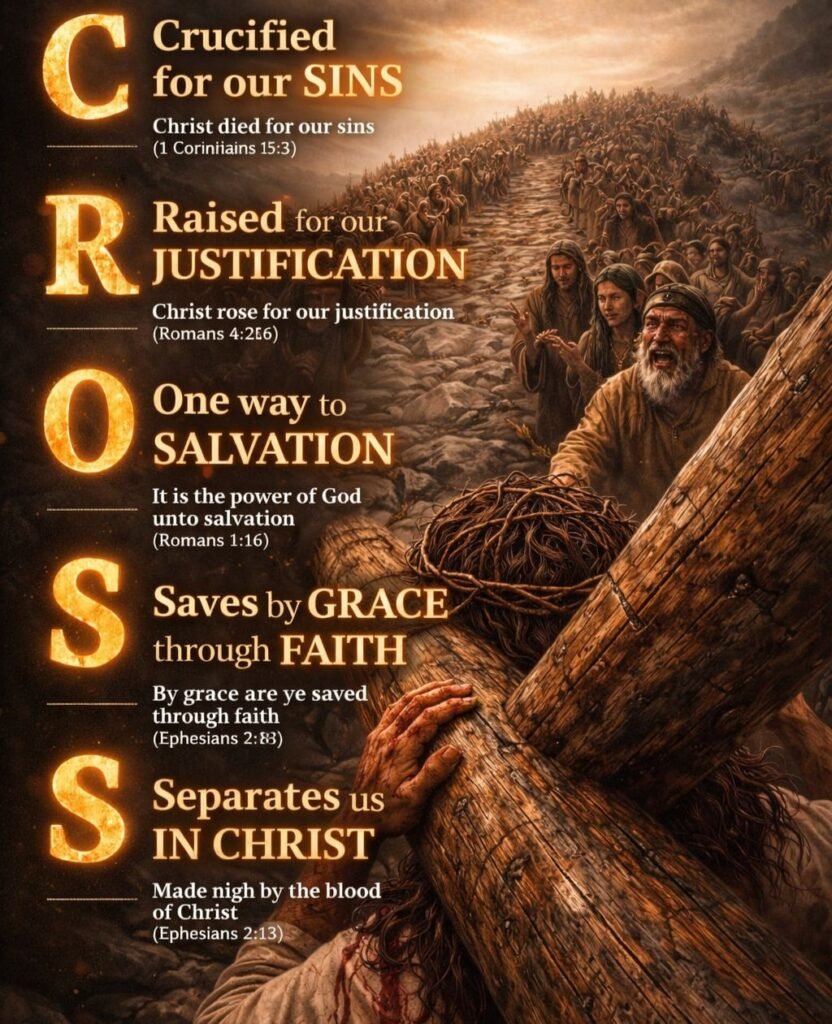
A foundational pillar of this forensic inquiry begins with the reality that Christ was crucified for our sins according to the scriptures, as recorded in 1 Corinthians 15:3. The investigation identifies that the problem of human depravity is not a minor lapse in judgment or a series of manageable errors; it is a terminal legal debt inherited through the federal headship of Adam. Romans 8:3 provides the clinical data, noting that what the law could not do, in that it was weak through the flesh, God accomplished by sending His own Son in the likeness of sinful flesh. At the cross, sin was not merely overlooked or pushed into a future account; it was judged with absolute precision in the person of a substitute. This condemned sin in the flesh once and for all, providing a structural shift in how the Creator interacts with the creature.
The mechanical efficacy of this event is found in its status as a completing sacrifice. Unlike the repetitive, non-final offerings of previous dispensations which could only cover sin temporarily, the work at Calvary achieved a permanent resolution. Hebrews 10:12 records that this man, after he had offered one sacrifice for sins for ever, sat down on the right hand of God. The act of sitting signifies a cessation of labor, confirming that the judicial requirements of a holy God were satisfied. This results in the canceling of guilt for all who believe, as Colossians 2:13 explains that God has forgiven all trespasses. By blotting out the handwriting of ordinances that was against us, the cross effectively cleanses the conscience, producing a state of peace with God that is not dependent on ongoing human performance.
A thorough investigation of the cross would be incomplete without the accompanying evidence of the empty tomb. The record in Romans 4:25 states that Christ was delivered for our offences and was raised again for our justification. The resurrection serves as the divine receipt, the forensic proof that the Father accepted the payment rendered at the execution site. Without the resurrection, the cross would be nothing more than the tragic end of a moral teacher. However, with the resurrection, the cross becomes the site of a successful cosmic transaction. This resurrection reality ensures that the believer’s faith does not rest upon a dead martyr, but upon a living Savior who has successfully navigated the penalty of the law, which is death.
Consequently, the individual who trusts this message is granted a righteous record, being justified freely by His grace through the redemption that is in Christ Jesus, according to Romans 3:24. Justification is a forensic term, meaning to be declared righteous in a court of law. This is a legal status, not a subjective feeling. It results in a reconciled relationship where the hostilities between a holy God and a sinful man are permanently ceased. Romans 5:1 confirms that being justified by faith, we have peace with God through our Lord Jesus Christ. Furthermore, this regenerated life introduces a newness of life as evidenced in Romans 6:4, where the believer is no longer identified with the old nature of Adam but with the resurrected life of the Savior.
The investigative data indicates that there is strictly one way to salvation in the current age. While pluralism and religious syncretism dominate the modern philosophical market, the Apostle Paul maintains an exclusive jurisdictional claim. Romans 1:16 declares the gospel of Christ to be the power of God unto salvation to every one that believeth. This one gospel is defined with clinical brevity in 1 Corinthians 15:1–4: how that Christ died for our sins, was buried, and rose again the third day. In this framework, there is only one mediator between God and men, the man Christ Jesus, as stated in 1 Timothy 2:5. This one message is now broadcast to both Jew and Gentile alike, removing the middle wall of partition that once characterized the religious landscape of the ancient world. The forensic transition from lost to saved occurs in one moment by faith alone, as demonstrated in Acts 16:31.
The mechanics of this salvation are described as being by grace through faith, entirely independent of human effort. Ephesians 2:8–9 serves as the definitive legal statute, clarifying that it is the gift of God and not of works, lest any man should boast. The grace supplied in this age is a manifestation of God’s kindness toward those who deserve His indignation. Because Titus 3:5 confirms that it is not by works of righteousness which we have done, the requirement of faith is simplified to believing the record God gave of His Son. Romans 4:5 emphasizes that to him that worketh not, but believeth on Him that justifieth the ungodly, his faith is counted for righteousness. This system ensures that all human flesh is excluded from the glory of the transaction. Once this faith is exercised, the believer is granted final security, being sealed by the Holy Spirit of promise, according to Ephesians 1:13.
The investigation reveals that the cross forms a new identity for the believer, one that is seated and separated in Christ. Romans 6:6 explains that our old man was crucified with Him, meaning we are legally separated from the lineage of Adam and the condemnation associated with it. This new position is not earthly or religious; it is heavenly. Ephesians 2:6 states that God has raised us up together and made us sit together in heavenly places in Christ Jesus. This secure position means that nothing can separate the believer from the love of God, as Romans 8:38–39 provides an exhaustive list of entities—including death, life, angels, and principalities—that are powerless to break this union. This set apart Body, known as the Church, is a new creation distinct from national Israel, operating under grace rather than law.
The total sufficiency of the finished work leads to the inescapable conclusion that the cross is the ultimate demonstration of divine wisdom. In this age, everything God requires from man has already been provided by the substitute. The believer is not working toward salvation but is resting in it. Colossians 3:11 summarizes the forensic reality of this dispensation, noting that Christ is all and in all. Religion tells man what he must do to reach God, but the cross tells man what God has done to reach him. The former leads to a cycle of pride and despair, while the latter leads to eternal life and the peace of God which passeth all understanding. The investigation observes that the cross effectively ended the probation of man; under the law, man was tested and failed, but under grace, God displays His own righteousness.
As the forensic record is settled, the investigation concludes that the work is finished and the debt is canceled. The savior is alive and the invitation to believe is open to all without distinction. The evidence demands a personal verdict from every individual. One must believe Paul’s gospel as the exclusive means of salvation today, standing firm in the truth of grace and rejecting the dead works of religion. Rest in finished-work righteousness and proclaim the cross boldly as the power of God. The final thoughts of this inquiry confirm that the cross paid for sin, the resurrection secured righteousness, and the gospel remains the only functional power for salvation. In Christ, the believer is not merely improved, but complete.
The investigation further notes that the historical context of the crucifixion was not merely a local political event but a cosmic realignment. When Christ was nailed to the cross, the Apostle Paul reveals that He was “spoiling principalities and powers,” making a show of them openly and triumphing over them in it, according to Colossians 2:15. This suggests that the cross was a strategic military maneuver in the spiritual realm, stripping the adversary of the legal right to accuse the believer. The investigator must recognize that every sin—past, present, and future—was placed upon Christ during those hours of darkness. The “handwriting of ordinances” that stood as a legal barrier between the Creator and the creature was nailed to that tree, effectively rendering the law’s condemning power null and void for those who are in Christ Jesus.
Moreover, the clinical nature of justification means that the believer’s standing is immutable. In human courts, a pardon can sometimes be revoked if new evidence comes to light, but in the divine court of grace, the evidence—the blood of Christ—is eternal and unchanging. Romans 5:9 argues that being now justified by His blood, we shall be saved from wrath through Him. This “much more” argument used by Paul establishes that if God was willing to justify the ungodly while they were yet enemies, He is certainly willing to keep them now that they are reconciled. The investigation finds that the believer’s security is not a license to sin, but the very foundation for a life of service motivated by gratitude rather than fear.
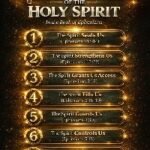
The role of the Holy Spirit in this present dispensation is also a subject of investigative interest. Unlike the intermittent and conditional indwelling seen in previous biblical periods, the Spirit now “baptizes” the believer into the Body of Christ the moment they believe. 1 Corinthians 12:13 confirms that by one Spirit are we all baptized into one body. This is a dry, spiritual operation that joins the believer to the Head, which is Christ. This union is the basis for the believer being “complete in Him,” as noted in Colossians 2:10. The investigator concludes that the believer lacks nothing for their spiritual standing; they are not waiting for a second blessing or a subsequent experience to finalize their relationship with God. The cross provided everything, and faith appropriated it all.
In the landscape of modern spirituality, many attempt to find power in the “red letters” of the gospels or the rituals of the early church. However, the investigative audit shows that Paul’s gospel, which he calls “my gospel,” is the specific message for the “dispensation of the grace of God.” Paul was the first to explain the significance of the cross as a finished work for both Jew and Gentile. In his letter to the Galatians, he warns that even if an angel from heaven preaches any other gospel, let him be accursed. This high stakes warning emphasizes that the cross is the non-negotiable center of the divine program. To add anything to it—whether it be tithing, Sabbath-keeping, or water baptism—is to “frustrate the grace of God,” for if righteousness comes by the law, then Christ is dead in vain.
The investigation also explores the concept of the “old man” versus the “new man.” Paul writes in Galatians 2:20, “I am crucified with Christ: nevertheless I live; yet not I, but Christ liveth in me.” This is a forensic reality that the believer is encouraged to “reckon” as true. To reckon is an accounting term, meaning to count it as a fact. The believer is told to reckon themselves dead indeed unto sin, but alive unto God. This is not “faking it until you make it,” but acknowledging the judicial truth of what happened at the cross. The investigator finds that true spiritual growth occurs not by trying to crucify one’s own flesh, but by believing that God has already done so. The power of the cross is thus applied to daily living through the mechanism of faith in the finished work.
The geopolitical and religious implications of this message were revolutionary in the first century and remain so today. By preaching the cross, Paul was effectively dismantling the religious hierarchies of his day. In Ephesians 2:14-15, he explains that Christ is our peace, who hath made both one, and hath broken down the middle wall of partition between us, having abolished in His flesh the enmity, even the law of commandments contained in ordinances. This investigation highlights that the cross is the great equalizer; it brings the “far off” Gentile and the “nigh” Jew to the same level of need and the same source of supply. There is no longer any room for national or religious boasting, as all have sinned and all are saved by the same grace through the same blood.
Furthermore, the cross addresses the issue of the “curse of the law.” Galatians 3:13 states that Christ hath redeemed us from the curse of the law, being made a curse for us. For it is written, Cursed is every one that hangeth on a tree. This indicates that Christ took the specific penalty that the law demanded for disobedience. The investigator notes that this was a substitutionary work of the highest order. The holy Son of God became the “curse” so that the unholy sinner could become the “righteousness of God in Him.” This exchange is the heart of the Pauline gospel and the reason why the cross is the only message that can provide true, lasting relief to a burdened conscience.
The investigative report must also touch upon the “mystery” of the cross. Paul mentions in Colossians 1:26-27 the mystery which hath been hid from ages and from generations, but now is made manifest to his saints. This mystery is “Christ in you, the hope of glory.” The fact that God would indwell Gentiles and make them part of His own Body without them first becoming Jews or following the law was a staggering revelation. The investigator concludes that the cross made this possible by removing the legal obstacles that had previously separated the nations from the God of Israel. The current age is therefore a unique parenthesis in time where the grace of God is being displayed to all the world through the preaching of the cross.
In conclusion, the investigation into the cross as God’s power for salvation reveals a message of unparalleled simplicity and profound depth. It is a message that requires nothing from the recipient but the exercise of faith in a completed task. The Cross of Christ stands as the definitive answer to the human quest for righteousness, the final solution for the problem of sin, and the only secure foundation for a relationship with the Creator. The forensic evidence is clear: the debt is paid, the Savior is risen, and the grace of God is sufficient for all who believe. The call to action is urgent: reject the ladder of religion and rest in the finished work of the Son of God. For in the preaching of the cross, and nowhere else, is the true power of God for the salvation of the human soul.
The forensic audit of the cross also identifies it as the center of “the word of reconciliation.” Paul explains in 2 Corinthians 5:19 that God was in Christ, reconciling the world unto Himself, not imputing their trespasses unto them. This is a significant investigative find: God is not currently in a state of active judgment against the world. He has committed unto us the “word of reconciliation.” This means the current age is one of divine “amnesty.” The cross provided the legal basis for this amnesty, allowing God to be “just” while treating sinners with grace. The investigator finds that this amnesty is not universal salvation, but a universal offer that must be received through faith. To reject the cross is to remain under the federal headship of Adam and the judgment that naturally follows.
The investigation into the “power of the cross” also examines the believer’s future hope. Because the cross dealt with the sin issue and the resurrection dealt with the death issue, the believer is now looking for “the blessed hope” and the appearing of the Lord. Titus 2:13 encourages believers to look for that glorious appearing. This hope is not a wishful thought but a “sure and steadfast” anchor, because it is based on the same finished work that provided salvation. The investigator notes that if the cross could save an enemy, the Savior can certainly return for a friend. The security of the believer’s future is as certain as the historical fact of the crucifixion. The work is truly finished, and the believer is simply waiting for the final administrative act of the current dispensation.
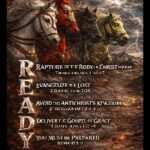
Finally, the investigator observes that the “preaching of the cross” is the primary mandate for the Church, the Body of Christ. We are called to be “ambassadors for Christ” (2 Corinthians 5:20). Our message is not “clean up your life” or “join our church,” but “be ye reconciled to God.” This investigation concludes that any ministry that moves the cross to the periphery or replaces it with social agendas or moralizing has lost its power. The only power God has ordained for the salvation of man is the cross. It remains the only message that can reach the heart, change the nature, and secure the soul. The cross is, and will forever be, the singular, sufficient power of God unto salvation.
As the forensic report closes, it reiterates that the cross is the hinge of history and the heart of the current divine program. It is the place where justice and mercy met, where the law was satisfied and grace was unleashed. The evidence presented in the Pauline epistles is overwhelming and consistent: the cross is enough. It is the work that finished all works. It is the death that brought all life. It is the shame that brought all glory. For the person seeking salvation, there is nowhere else to look, and nothing else to do, but to believe the record that God has given. The cross is indeed the power of God.