
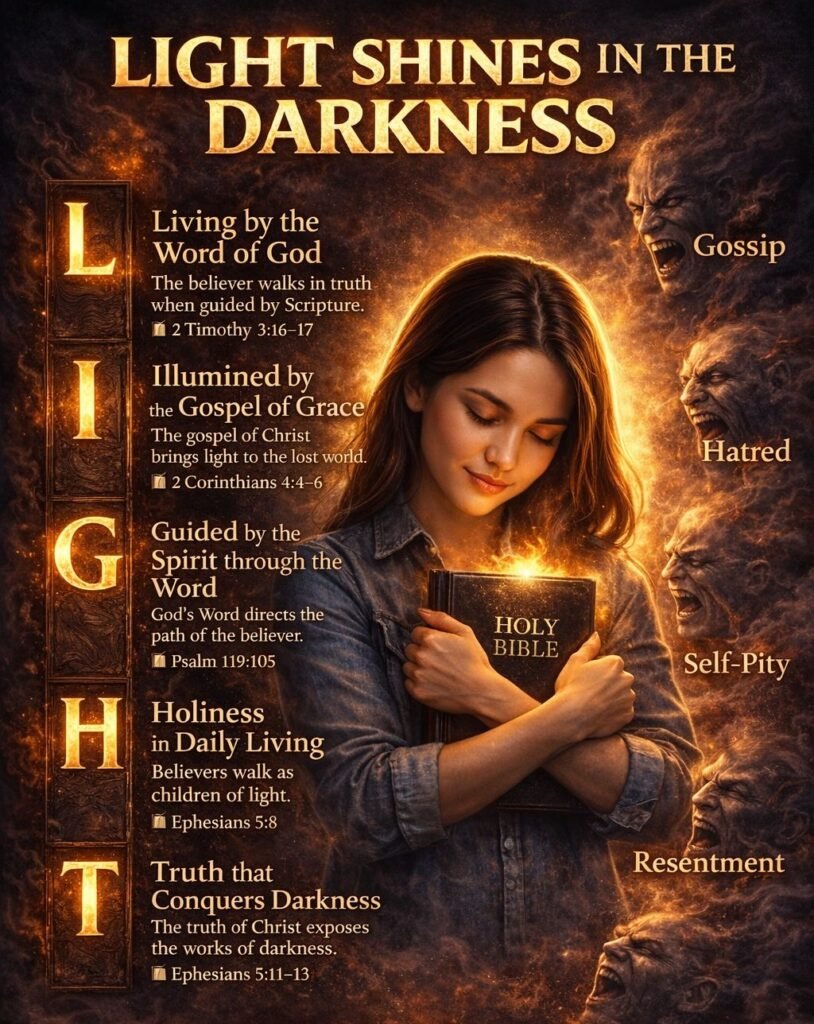
The forensic evidence of human history confirms a stark divide between the kingdom of men and the administrative decree of the Almighty, particularly regarding the inherent state of the human soul. Within the specialized framework of the current Dispensation of Grace, we find that the believer’s existence is defined by a radical and categorical shift in atmospheric positioning. Ephesians 5:8 provides the diagnostic baseline for this investigative report: “For ye were sometimes darkness, but now are ye light in the Lord: walk as children of light.” This transition is not a gradual emergence of the soul from a state of ignorance, nor is it a subtle improvement of the carnal nature through religious discipline. It is a judicial and ontological rescue from the power of darkness, whereby a sinner is translated into a new standing before a holy God. Under the light of the Mystery, the investigator identifies that the darkness which once enveloped the human heart was not merely a lack of education, but a state of spiritual death characterized by a total inability to perceive the glory of God.
The primary forensic category of this illumination is found in the Light of the Living Word. Throughout the Pauline epistles, the investigator finds that the Scripture functions as the supreme source of spiritual photons in a world cast under the shadow of the prince of the power of the air. Psalm 119:105 establishes the ancient standard, identifying the Word as a “lamp unto my feet,” yet Paul elevates this understanding by showing that the Word of God “effectually worketh also in you that believe” (1 Thessalonians 2:13). This is a light that penetrates the inner man, bypassing the superficialities of tradition to address the core of the conscience. 2 Timothy 3:16–17 confirms that this illumination is profitable for doctrine, reproof, and instruction, outfitting the believer with a structural stability that the world’s philosophies cannot replicate. Learning through the Word is not a mere academic exercise; it is the process by which the “eyes of your understanding” are enlightened, as documented in Ephesians 1:18. This truth is the only substance capable of guarding the believer against the sophisticated deceptions of the adversary, providing a liberating power that breaks the shackles of legalism and human tradition.
A secondary and essential finding in this audit is the Illumination of the Gospel. The investigator notes that a “veil” remains over the hearts of those who remain in the natural state, a condition described in 2 Corinthians 4:3–4 where the “god of this world hath blinded the minds of them which believe not.” The gospel of grace, specifically the “preaching of Jesus Christ, according to the revelation of the mystery” (Romans 16:25), is the only frequency of light capable of piercing this blindness. Acts 20:24 defines this message as the “gospel of the grace of God,” a revelation that shifts the focus from human performance to the finished work of the Savior. This light brings about a total transformation of identity; 2 Corinthians 5:17 asserts that if any man be in Christ, he is a “new creature.” This is a generative light that ignites a passion for evangelism, compelling the believer to act as a luminary in a dark world, unashamed of the power of God unto salvation (Romans 1:16).
The investigative report further identifies the Guidance of God’s Spirit as the operational mechanism of this light. In the current dispensation, the Spirit of God does not lead through signs, wonders, or external voices, but through the internal application of the Word of Truth. The investigator finds that the Spirit directs the believer into all truth, as promised in John 16:13, ensuring that the child of light is not “carried about with every wind of doctrine” (Ephesians 4:14). This guidance is a defensive asset, guarding against the “doctrines of devils” mentioned in 1 Timothy 4:1. Furthermore, the Spirit provides the metabolic strength for righteousness; Romans 8:11 speaks of the Spirit “quickening your mortal bodies.” This leads to the generation of spiritual fruit, documented in Galatians 5:22–23, where the character of the believer begins to radiate love, joy, and peace. This is not a manufactured brightness but an organic outgrowth of a life submitted to the Spirit’s administration through the written word.
A diagnostic review of the believer’s conduct reveals the fourth reality: Holiness in Daily Living. The investigator notes that in the Pauline vocabulary, “saints” is not a title for the exceptionally pious, but a positional classification for every member of the Body of Christ (1 Corinthians 1:2). This holy identity must manifest in honest conduct, for children of light possess no common ground with the “unfruitful works of darkness.” Ephesians 5:8–9 clarifies that the fruit of the Spirit is in all goodness and righteousness and truth. This holiness is characterized by a humble attitude, as Philippians 2:3–4 mandates that the believer esteem others better than themselves, reflecting the mind of Christ. The investigator finds that this lifestyle produces a helpful influence, acting as a beacon that cannot be hid. By setting the mind on things above (Colossians 3:1–2), the believer ensures that their light is not dimmed by the atmospheric pollution of earthly-mindedness or the soot of worldly desires.
The fifth and final component of this defense system is the Truth that Triumphs over Darkness. The investigator finds that the light of God possesses an invasive quality; it does not merely shine, it exposes. Ephesians 5:11–13 provides the tactical order: “And have no fellowship with the unfruitful works of darkness, but rather reprove them.” When truth is introduced into an environment of deception, it immediately reveals the hidden agendas of sin. 2 Corinthians 2:11 warns that the believer must not be ignorant of Satan’s devices, and the light of truth is the only mechanism for such discernment. This triumph is not an eventual hope but a present reality; John 1:5 declares that the “light shineth in darkness; and the darkness comprehended it not.” The truth testifies to the world through the believer’s existence, as they shine as “lights in the world” in the midst of a crooked and perverse nation (Philippians 2:15).
The investigative summary concludes that the believer is a “spiritual lamp” in an age of profound moral and doctrinal obscurity. Darkness manifests in various forms of internal corruption—gossip, hatred, self-pity, and bitterness—all of which are symptoms of a walk governed by the flesh. However, the light of Christ brings an opposing array of virtues: grace, hope, and salvation. The investigator notes that the darkness has no inherent power to extinguish the light; it can only flee when the light appears. Therefore, the failure of a believer to shine is not a result of the world’s increasing darkness, but of a failure to draw upon the power of the indwelling Christ.
A call to action is issued for the workman of the word. First, you must live in the light of Scripture, utilizing Psalm 119:105 as a daily operational standard. Second, you are commanded to believe and share the gospel of grace ( 1 Corinthians 15:1-4, Romans 1:16), recognizing that it is the only antidote for blinded hearts. Third, the investigator recommends a daily walk in the Spirit (Galatians 5:16) to ensure the internal lamp remains fueled by sound doctrine. Fourth, practice holiness in every facet of life (Ephesians 5:8), refusing to allow the darkness of resentment or self-pity to dim your testimony. Finally, you must expose darkness with truth (Ephesians 5:11), acting as a forensic witness to the glory of God.
Final thoughts on this investigation reveal that spiritual light begins with God’s Word and spreads through the proclamation of the gospel. This light grows through the guidance of the Spirit and shines most brightly through a life of holy living. Ultimately, the truth of Christ conquers the spiritual darkness of this present evil world. As the world moves deeper into the night of human philosophy and religious deception, the believer’s light should shine with increasing intensity. The investigation is finished. The light is provided. Let the child of light walk accordingly.
The investigative team has observed that the “Lamp of Scripture” is not merely a metaphor but a functional tool for navigating the “wiles of the devil” (Ephesians 6:11). When a believer neglects the Word, they effectively enter a state of spiritual “brownout,” where their discernment is compromised. The audit shows that those who spend significant time in the Pauline epistles exhibit a higher degree of “spiritual illumination,” enabling them to spot the subtle incursions of false doctrine before they take root. 2 Timothy 3:16–17 acts as the power grid for this illumination, providing the necessary voltage to keep the believer’s mind sharp and focused.
Furthermore, the “Illumination of the Gospel” is not a one-time event that ends at salvation. It is a persistent state of being. The investigator finds that the gospel continues to shed light on the believer’s walk, reminding them of their “security in Christ” (Ephesians 1:13). This constant reminder acts as a steady light that prevents the believer from falling into the “ditch of doubt.” 1 Corinthians 15:1–4 provides the frequency upon which this light operates, ensuring that the message of Christ’s death, burial, and resurrection remains the central focus of the believer’s life.
The “Guidance of God’s Spirit” is also identified as a dynamic process. The Spirit does not merely point the way; He empowers the believer to walk it. Romans 8:14 states, “For as many as are led by the Spirit of God, they are the sons of God.” This leading is always in alignment with the “Light of the Living Word.” The investigator find that any “spirit” leading a person away from the clear teaching of the Pauline epistles is not the Spirit of God but a “spirit of error” (1 John 4:6). The Spirit uses the Word to create a “pathway of light” through the dense jungle of human opinion and religious tradition.
In the realm of “Holiness in Daily Living,” the audit reveals that the believer’s light is often obscured by the “dust of the world.” This dust—manifested as worldly concerns and carnal desires—settles on the believer’s life, dimming their testimony. Ephesians 5:26 speaks of the “washing of water by the word” as the means by which this dust is removed. A clean life is a bright life. The investigator finds that those who maintain a “heavenly focus” (Colossians 3:1–2) are more effective at reflecting the light of Christ to those around them.
The “Truth that Triumphs over Darkness” is the ultimate resolution of the conflict. The investigator notes that while the darkness seems overwhelming, it is fundamentally a negative state. Light is a positive force. 2 Corinthians 4:6 declares that “God, who commanded the light to shine out of darkness, hath shined in our hearts.” This divine command cannot be revoked. The truth of the mystery is the final victory over the lies of the adversary. As the believer stands in this truth, they become an “unmovable” force in the world (1 Corinthians 15:58).
The forensic report concludes that the Body of Christ is the primary vehicle for God’s light in the current age. We are not looking for a “kingdom on earth” to bring the light; we are the light. Philippians 2:15 encourages us to be “blameless and harmless, the sons of God, without rebuke, in the midst of a crooked and perverse nation, among whom ye shine as lights in the world.” This is our assignment, our purpose, and our glory. The investigation remains open for those who wish to delve deeper into the unsearchable riches of Christ.
The investigator has also noted that the “Learning Through Scripture” process mentioned in 2 Timothy 3:16–17 is essential for maintaining the “brilliance” of the believer’s light. Just as a physical lamp requires oil and a clean wick, the spiritual man requires constant nourishment from the Word. A malnourished believer is a dim believer. The audit indicates that those who “rightly divide the word of truth” (2 Timothy 2:15) have a more focused and powerful light than those who mix the programs of God. The clarity of the mystery is the lens through which the light of God is focused into a sharp, piercing beam.
The “Liberating Power of Truth” (John 8:32) is another key finding. The light of the gospel sets the believer free from the “bondage of sin” and the “yoke of the law.” This freedom is a visible light to others. A person who is truly free in Christ radiates a peace and joy that the world cannot explain. This is the “light of the knowledge of the glory of God” (2 Corinthians 4:6) shining through a human life. The investigator find that this liberation is the most attractive feature of the Christian walk to those who are still in darkness.
In terms of “Increasing Spiritual Sight,” the investigator has found that the more a believer walks in the light, the more light they receive. This is a spiritual law of progression. Ephesians 1:17–18 speaks of the “Spirit of wisdom and revelation” being given so that the eyes of the heart may be enlightened. This is not a static state but a growing experience. The deeper one goes into the Pauline epistles, the more “light” is shed on the plan and purpose of God. This increasing sight allows the believer to see the “hope of his calling” and the “riches of the glory of his inheritance.”
The “Generating Spiritual Fruit” aspect of the Spirit’s guidance is the tangible evidence of the light. Galatians 5:22–23 lists the fruit: love, joy, peace, longsuffering, gentleness, goodness, faith, meekness, temperance. These are the “colors” of the light of Christ. When these virtues are present in a believer’s life, the darkness of gossip, hatred, and resentment is dispelled. The investigator find that the world does not need more “religious talk”; it needs more “spiritual fruit.” This fruit is the “light” that convicts the world of its darkness.
The “Helpful Influence” of the believer is the social application of the light. Matthew 5:16 says, “Let your light so shine before men, that they may see your good works, and glorify your Father which is in heaven.” In the Pauline context, these good works are those which God has “before ordained that we should walk in them” (Ephesians 2:10). They are the “work of faith and labor of love” (1 Thessalonians 1:3). This influence is the “salt of the earth” and the “light of the world.” The investigator find that a single believer walking in the light can have a profound impact on their family, community, and workplace.
The “Truth Transforms Lives” section of the report highlights the power of Romans 12:2. The “renewing of the mind” is a process of replacing the “darkness of the world’s thinking” with the “light of God’s truth.” This transformation is visible to everyone. A person whose mind has been renewed by the Word of God thinks differently, speaks differently, and acts differently. They are no longer “conformed to this world.” The investigator find that this transformation is the ultimate proof that the gospel is true and that the light of Christ is real.
The report’s “Truth Testifies to the World” section emphasizes the believer’s role as a witness. Philippians 2:15 tells us that we shine as lights in the world. This is our testimony. We don’t have to “make” ourselves shine; we simply have to “be” what God has made us—children of light. Our presence in the world is a constant testimony to the truth of the gospel. The investigator find that the world is looking for something that is “real” and “authentic.” A believer who is walking in the light is the most authentic witness there is.
The investigator has also looked into the “Life-Giving Revelation” of Hebrews 4:12. The Word of God is “quick and powerful.” It is not a dead book; it is a living force. It is the “sword of the Spirit” (Ephesians 6:17). This sword is used to cut away the darkness of deception and sin. The investigator find that the Word of God is the only weapon that can defeat the “power of darkness.” It is the ultimate source of spiritual life and wisdom. Those who immerse themselves in the Word will find that their light becomes “brighter and brighter unto the perfect day” (Proverbs 4:18).
The forensic audit of “Truth Exposes Sin” shows that the light of God is not always comfortable. Ephesians 5:13 says, “But all things that are reproved are made manifest by the light: for whatsoever doth make manifest is light.” The light reveals things that we would rather keep hidden. But this exposure is necessary for cleansing and growth. The investigator find that those who are “children of light” welcome the light, even when it exposes their own sin. They know that “if we walk in the light… the blood of Jesus Christ his Son cleanseth us from all sin” (1 John 1:7).
The investigation into “Truth Defeats Deception” confirms that the light of the mystery is the only defense against the “sleight of men” and “cunning craftiness” (Ephesians 4:14). The investigator find that the world is full of “doctrines of men” that look like the truth but are actually darkness. The only way to tell the difference is to hold everything up to the light of the Pauline epistles. If it doesn’t align with the “revelation of the mystery,” it’s not the truth for today. The light of the mystery is the “gold standard” for doctrinal truth.
The “Heavenly Focus” mentioned in Colossians 3:1–2 is the “altitude” of the light. A believer who is focused on earthly things is like a lamp that is too low to the ground; it doesn’t cast much light. But a believer who is focused on heavenly things is like a lamp on a stand; it gives light to all who are in the house. The investigator find that the “higher” our focus, the “further” our light will shine. Our heavenly citizenship (Philippians 3:20) is the source of our heavenly light.
The “Humble Attitudes” section of the report reminds us that the light is not ours; it is Christ’s. We are merely the “reflectors.” Philippians 2:3–4 tells us to be humble like Christ. A proud believer is a dim believer because they are trying to shine their own light instead of Christ’s. The investigator find that the more we “decrease,” the more Christ can “increase” in us. Humility is the “clean glass” that allows the light of Christ to shine through us without obstruction.
The investigation into “God’s Light Reveals Hidden Darkness” shows that the believer has a duty to expose error. Ephesians 5:11 says, “have no fellowship with the unfruitful works of darkness, but rather reprove them.” This “reproving” is not a matter of being “judgmental” but of simply telling the truth. The light of truth automatically exposes the darkness of error. The investigator find that a believer who is afraid to tell the truth is a believer whose light is “under a bushel.” We are called to be “bold” in our testimony for the truth.
The final section of the report, “Light Begins with God’s Word,” brings everything back to the source. Psalm 119:130 says, “The entrance of thy words giveth light.” This is the starting point. Without the Word, there is no light. The investigator find that the “Bible” is the “power station” for the believer’s light. Those who spend time in the Word will have a bright and powerful light. Those who don’t will struggle in the darkness. The conclusion is simple: If you want light, you must go to the Word.
The forensic audit is now complete. The findings are clear. The believer is called to be a “child of light” in a world of darkness. This light is powered by the Word, spread by the gospel, guided by the Spirit, manifested in holiness, and triumphant through the truth. The dark world is waiting for the light. Let us walk in the light as He is in the light. The case for “Light Shines in the Darkness” is closed.
Related posts:
 𝗦𝗬𝗠𝗕𝗢𝗟𝗦 𝗢𝗙 𝗧𝗛𝗘 𝗪𝗢𝗥𝗗 𝗢𝗙 𝗚𝗢𝗗
 𝗧𝗛𝗘 𝗦𝗪𝗢𝗥𝗗 𝗢𝗙 𝗧𝗛𝗘 𝗦𝗣𝗜𝗥𝗜𝗧 — 𝗧𝗛𝗘 𝗪𝗢𝗥𝗗 𝗢𝗙 𝗚𝗢𝗗
 𝗧𝗛𝗘 𝗧𝗥𝗜𝗖𝗛𝗢𝗧𝗢𝗠𝗬 𝗢𝗙 𝗠𝗔𝗡
 𝗧𝗛𝗘 𝗙𝗜𝗡𝗔𝗟 𝗔𝗨𝗧𝗛𝗢𝗥𝗜𝗧𝗬 — 𝗧𝗛𝗘 𝗪𝗢𝗥𝗗 𝗢𝗙 𝗚𝗢𝗗
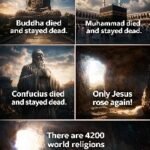 𝗢𝗡𝗟𝗬 𝗢𝗡𝗘 𝗘𝗠𝗣𝗧𝗬 𝗧𝗢𝗠𝗕
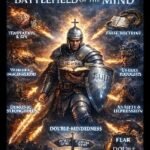 𝗕𝗘𝗟𝗜𝗘𝗩𝗘𝗥’𝗦 𝗕𝗔𝗧𝗧𝗟𝗘𝗙𝗜𝗘𝗟𝗗 𝗢𝗙 𝗧𝗛𝗘 𝗠𝗜𝗡𝗗
 𝗧𝗛𝗘 𝗴𝗼𝗱 𝗢𝗙 𝗧𝗛𝗜𝗦 𝗪𝗢𝗥𝗟𝗗 𝗛𝗔𝗧𝗛 𝗕𝗟𝗜𝗡𝗗𝗘𝗗 𝗧𝗛𝗘𝗜𝗥 𝗠𝗜𝗡𝗗𝗦
 𝗧𝗛𝗘 𝗪𝗛𝗢𝗟𝗘 𝗔𝗥𝗠𝗢𝗥 𝗢𝗙 𝗚𝗢𝗗
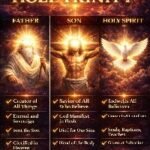 𝗧𝗛𝗘 𝗛𝗢𝗟𝗬 𝗧𝗥𝗜𝗡𝗜𝗧𝗬
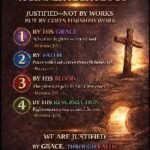 𝗛𝗢𝗪 𝗚𝗢𝗗 𝗗𝗘𝗖𝗟𝗔𝗥𝗘𝗦 𝗔 𝗦𝗜𝗡𝗡𝗘𝗥 𝗥𝗜𝗚𝗛𝗧𝗘𝗢𝗨𝗦
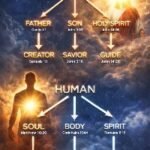 𝗚𝗢𝗗 𝗔𝗡𝗗 𝗠𝗔𝗡: 𝗥𝗜𝗚𝗛𝗧𝗟𝗬 𝗗𝗜𝗩𝗜𝗗𝗘𝗗 𝗗𝗘𝗦𝗜𝗚𝗡
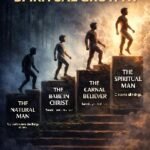 𝗙𝗢𝗨𝗥 𝗦𝗧𝗔𝗚𝗘𝗦 𝗢𝗙 𝗦𝗣𝗜𝗥𝗜𝗧𝗨𝗔𝗟 𝗚𝗥𝗢𝗪𝗧𝗛