
CHRISTMAS AND THE CALL TO COME OUT
A Dispensational Examination of Tradition, Truth, and Separation
INTRODUCTION
Many believers assume that sincerity equals acceptance, but Scripture teaches that God is honored by truth, not tradition. Throughout history, religious practices have often mixed pagan customs with biblical language, creating confusion among God’s people.
In the Dispensation of Grace, we are not commanded to observe holy days, feasts, or religious festivals—but we are commanded to walk wisely, separate from idolatry, and stand in truth (2 Timothy 2:15).
① THE PROBLEM OF PAGAN PRACTICES
Deuteronomy 12:29–31
A. Pagan Origins – Customs rooted in heathen worship. (Deut. 12:30)
B. Polluted Observances – God forbids copying nations. (v.31)
C. Provoking Offense – Pagan worship displeases God. (Lev. 18:3)
God never sanctifies pagan customs by renaming them.
② THE TRADITION OF MEN
Mark 7:7–9
A. Man-Made Religion – Commandments of men taught as doctrine. (Mark 7:7)
B. Misplaced Authority – Tradition elevated above Scripture.
C. Masked Disobedience – Worship rendered vain. (v.9)
Tradition replaces truth when Scripture is ignored.
③ THE DANGER OF IDOLATRY
Exodus 20:4–6
A. Forbidden Images – No carved or symbolic worship. (Ex. 20:4)
B. False Affection – Objects replace devotion to God. (Ex. 20:5)
C. Fatal Consequences – Idolatry provokes judgment. (1 Cor. 10:14)
Idolatry is not limited to statues—it includes symbols.
④ THE WORLDLINESS WARNING
1 John 2:15–16
A. Worldly Affections – Love of the world opposes God. (1 Jn 2:15)
B. Worldly Attractions – Lust, pride, and materialism. (v.16)
C. Worldly Association – Friendship with the world is enmity. (James 4:4)
God never commands believers to imitate the world.
⑤ THE FALSE REPRESENTATIONS
Deuteronomy 18:9–12
A. Fables Promoted – Myths and magical figures. (Deut. 18:10)
B. Fictional Figures – Lies presented to children. (Rev. 21:8)
C. Forbidden Practices – God condemns deception. (Lev. 19:31)
God is truth—He is never honored by fiction.
⑥ THE SCRIPTURAL SILENCE
Luke 2:8–12
A. No Command Given – No instruction to celebrate Christ’s birth.
B. No Date Declared – Scripture never specifies December 25.
C. No Festival Required – Birth never commanded as an observance.
Silence in Scripture is not permission.
⑦ THE SEPARATION COMMAND
2 Corinthians 6:14–18
A. Come Out – Separation commanded by God. (v.17)
B. Clean Living – Touch not the unclean thing. (v.17)
C. Covenant Fellowship – God dwells with the separated. (v.18)
Separation is obedience, not legalism.
⑧ THE PAULINE POSITION
Romans 14:5–6
A. No Holy Days Required – Days are not binding today. (Rom. 14:5)
B. No Religious Obligation – Liberty in grace. (Gal. 5:1)
C. No Spiritual Advantage – Christ alone is our standing. (Col. 2:16)
Grace frees us from religious calendars.
⑨ THE TRUE WAY TO HONOR CHRIST
1 Corinthians 15:1–4
A. Gospel Centered – Christ died for our sins. (v.3)
B. Grace Celebrated – Salvation by faith alone. (Eph. 2:8–9)
C. Glory Reserved – Christ exalted, not commercialized. (Col. 1:18)
Christ is honored through faith, not festivals.
CONCLUSION
God never asked His people to Christianize pagan customs.
He calls believers to truth, holiness, and separation.
The issue is not popularity—but obedience.
CALL TO ACTION
Search the Scriptures — Acts 17:11
Come Out and Be Separate — 2 Corinthians 6:17
Reject Tradition Over Truth — Mark 7:9
Honor Christ Biblically — John 4:24
Walk Wisely in This Age — Ephesians 5:15
FINAL THOUGHTS
God hates idolatry
Tradition is not truth
Paganism cannot glorify Christ
Separation is obedience
Grace frees us from rituals
Paul defines our doctrine
Christ needs no festival
Truth demands courage
Stand for Scripture, not custom
Related posts:
 𝗜𝗗𝗢𝗟𝗔𝗧𝗥𝗬: 𝗗𝗘𝗠𝗢𝗡𝗜𝗖 𝗗𝗘𝗖𝗘𝗣𝗧𝗜𝗢𝗡
 𝗜𝗗𝗢𝗟𝗦 𝗢𝗙 𝗙𝗔𝗟𝗦𝗘 𝗥𝗘𝗟𝗜𝗚𝗜𝗢𝗡
 𝗧𝗛𝗘 𝗠𝗢𝗗𝗘𝗥𝗡 𝗜𝗗𝗢𝗟𝗔𝗧𝗥𝗬
 𝗩𝗔𝗜𝗡 𝗪𝗢𝗥𝗦𝗛𝗜𝗣 𝘃𝘀. 𝗧𝗥𝗨𝗘 𝗪𝗢𝗥𝗦𝗛𝗜𝗣 — 𝗥𝗜𝗚𝗛𝗧𝗟𝗬 𝗗𝗜𝗩𝗜𝗗𝗘𝗗
 𝗩𝗔𝗟𝗘𝗡𝗧𝗜𝗡𝗘’𝗦 𝗗𝗔𝗬: 𝗟𝗢𝗩𝗘 𝗨𝗡𝗗𝗘𝗥 𝗚𝗥𝗔𝗖𝗘 𝗢𝗥 𝗟𝗨𝗦𝗧 𝗨𝗡𝗗𝗘𝗥 𝗧𝗛𝗘 𝗙𝗟𝗘𝗦𝗛?
 𝗧𝗛𝗘 𝗙𝗜𝗡𝗔𝗟 𝗔𝗨𝗧𝗛𝗢𝗥𝗜𝗧𝗬 — 𝗧𝗛𝗘 𝗪𝗢𝗥𝗗 𝗢𝗙 𝗚𝗢𝗗
 𝗪𝗛𝗬 ‘𝗜𝗦𝗔𝗜𝗔𝗛 𝟱𝟯’ 𝗜𝗦 𝗥𝗔𝗥𝗘𝗟𝗬 𝗥𝗘𝗔𝗗 𝗜𝗡 𝗝𝗘𝗪𝗜𝗦𝗛 𝗧𝗥𝗔𝗗𝗜𝗧𝗜𝗢𝗡𝗦
 𝗝𝗘𝗦𝗨𝗦 𝗖𝗛𝗥𝗜𝗦𝗧 𝗧𝗛𝗘 𝗠𝗘𝗦𝗦𝗜𝗔𝗛 𝗣𝗥𝗢𝗩𝗘𝗡 𝗪𝗜𝗧𝗛 𝗔𝗕𝗦𝗢𝗟𝗨𝗧𝗘 𝗖𝗘𝗥𝗧𝗔𝗜𝗡𝗧𝗬 𝗕𝗬 𝗗𝗔𝗡𝗜𝗘𝗟 𝟵
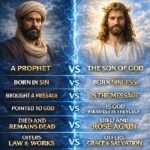 𝗠𝗨𝗛𝗔𝗠𝗠𝗔𝗗 𝗩𝗦. 𝗝𝗘𝗦𝗨𝗦 𝗖𝗛𝗥𝗜𝗦𝗧 — 𝗔 𝗠𝗔𝗧𝗧𝗘𝗥 𝗢𝗙 𝗧𝗥𝗨𝗧𝗛, 𝗡𝗢𝗧 𝗧𝗥𝗔𝗗𝗜𝗧𝗜𝗢𝗡
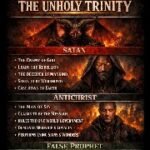 𝗧𝗛𝗘 𝗨𝗡𝗛𝗢𝗟𝗬 𝗧𝗥𝗜𝗡𝗜𝗧𝗬
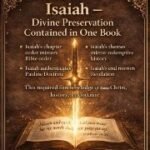 𝗧𝗛𝗘 𝗗𝗜𝗩𝗜𝗡𝗘 𝗣𝗔𝗧𝗧𝗘𝗥𝗡 𝗛𝗜𝗗𝗗𝗘𝗡 𝗜𝗡 𝗜𝗦𝗔𝗜𝗔𝗛 𝗪𝗛𝗜𝗖𝗛 𝗔𝗨𝗧𝗛𝗘𝗡𝗧𝗜𝗖𝗔𝗧𝗘𝗦 𝗧𝗛𝗘 𝗪𝗛𝗢𝗟𝗘 𝗕𝗜𝗕𝗟𝗘
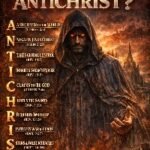 𝗪𝗛𝗢 𝗜𝗦 𝗧𝗛𝗘 𝗔𝗡𝗧𝗜𝗖𝗛𝗥𝗜𝗦𝗧?
 𝗧𝗪𝗢 𝗣𝗘𝗢𝗣𝗟𝗘 𝗖𝗔𝗡 𝗗𝗔𝗠𝗔𝗚𝗘 𝗦𝗢𝗖𝗜𝗘𝗧𝗬
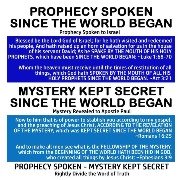 𝗙𝗥𝗢𝗠 𝗣𝗥𝗢𝗣𝗛𝗘𝗖𝗬 𝗧𝗢 𝗠𝗬𝗦𝗧𝗘𝗥𝗬. 𝗧𝗛𝗘 𝗞𝗘𝗬 𝗧𝗢 𝗨𝗡𝗗𝗘𝗥𝗦𝗧𝗔𝗡𝗗𝗜𝗡𝗚 𝗦𝗖𝗥𝗜𝗣𝗧𝗨𝗥𝗘 – 𝗚𝗢𝗗 𝗜𝗦 𝗡𝗢𝗧 𝗧𝗛𝗘 𝗔𝗨𝗧𝗛𝗢𝗥 𝗢𝗙 𝗖𝗢𝗡𝗙𝗨𝗦𝗜𝗢𝗡!