
CALVINISM vs DISPENSATIONALISM — RIGHTLY DIVIDING THE WORD OF TRUTH
Key Text: 2 Timothy 2:15 (KJV)
“Study to shew thyself approved unto God… rightly dividing the word of truth.”
INTRODUCTION
Much confusion in Christianity does not come from denying the Bible, but from mixing what God has divided.
Calvinism seeks unity through theological systems, while Dispensationalism seeks clarity through biblical distinctions.
The question is not “Which system sounds logical?”
The question is “What did God reveal, to whom, and when?”
Today we will examine 9 Pauline, alliterated truths that show why Dispensationalism best honors the Word of God.
DISTINCTION — ONE PEOPLE vs TWO PEOPLES
Romans 9:4–5; Ephesians 3:6 (KJV)
A. Israel has earthly promises
B. The Church has heavenly promises
C. God works with each distinctly
Dispensational Insight:
Israel ≠ Church. Confusing them confuses prophecy, doctrine, and hope.
DEFINITION — ALLEGORY vs LITERALITY
Romans 11:26–29; Revelation 20:1–6 (KJV)
A. Calvinism spiritualizes prophecy
B. Dispensationalism reads prophecy plainly
C. God means what He says
Pauline Truth:
If resurrection is literal, so is the kingdom.
DIRECTION — COVENANTS vs REVELATION
Ephesians 3:1–5; Galatians 1:11–12 (KJV)
A. Calvinism roots doctrine in covenants
B. Dispensationalism roots doctrine in revelation
C. Paul received a mystery never revealed before
Foundation:
The Church revealed with Paul’s gospel, not Abraham’s covenant.
DESTINY — TRIBULATION vs TRANSLATION
1 Thessalonians 4:16–17; 5:9 (KJV)
A. Calvinism places the Church in wrath
B. Dispensationalism removes the Church before wrath
C. Wrath is for Israel and the nations
Right Division:
The Rapture is for the Body, not Israel.
DESIGN — SINGLE RETURN vs SEPARATE COMINGS
Titus 2:13; Revelation 19:11–16 (KJV)
A. Calvinism merges the Rapture and Revelation
B. Dispensationalism separates them
C. Christ comes FOR His saints, then WITH His saints
Pauline Hope:
Our blessed hope is upward, not earthly.
DURATION — SYMBOLIC vs SPECIFIC
Revelation 20:2–7; Isaiah 11:1–9 (KJV)
A. Calvinism allegorizes the millennium
B. Dispensationalism affirms a literal 1,000 years
C. Christ will reign on earth as promised
Scriptural Consistency:
Promises to Israel require a literal kingdom.
DETERMINATION — LIMITED vs LIBERATED SALVATION
1 Timothy 2:4; 2 Corinthians 5:14–15 (KJV)
A. Calvinism limits the atonement
B. Dispensationalism proclaims salvation for all
C. Faith is the issue, not election
Paul’s Gospel:
Christ died for all—salvation is offered freely.
DOCTRINE — SYSTEMATIC vs SCRIPTURAL
Colossians 2:8; 1 Corinthians 4:6 (KJV)
A. Calvinism defends theological frameworks
B. Dispensationalism submits to biblical flow
C. Scripture interprets Scripture
Safeguard:
Doctrine must follow revelation, not tradition.
DECLARATION — REPLACEMENT vs RESTORATION
Romans 11:1–2, 25–27 (KJV)
A. Calvinism replaces Israel with the Church
B. Dispensationalism restores Israel to prophecy
C. God keeps His promises
Paul’s Warning:
God has not cast away His people.
CONCLUSION
Calvinism emphasizes theology.
Dispensationalism emphasizes timing.
The issue is not intelligence—but interpretation.
When Scripture is rightly divided, confusion disappears and Christ is exalted.
CALL TO ACTION
Study the Word rightly divided
Stand firm in Pauline grace doctrine
Look up for your blessed hope
“Christ in you, the hope of glory.” (Colossians 1:27)
FINAL THOUGHTS
God keeps promises
Israel still matters
The Church is heavenly
Prophecy is literal
Grace is complete
Wrath is coming
The Rapture is imminent
Christ reigns forever
Right division brings clarity
Related posts:
 𝗧𝗛𝗘 𝗗𝗢𝗖𝗧𝗥𝗜𝗡𝗘 𝗢𝗙 𝗧𝗛𝗘 𝗥𝗔𝗣𝗧𝗨𝗥𝗘
 𝗧𝗛𝗘 𝗥𝗔𝗣𝗧𝗨𝗥𝗘: 𝗥𝗘𝗩𝗘𝗔𝗟𝗘𝗗, 𝗡𝗢𝗧 𝗜𝗡𝗩𝗘𝗡𝗧𝗘𝗗
 𝗦𝗢𝗢𝗡𝗘𝗥 𝗧𝗛𝗔𝗡 𝗪𝗘 𝗧𝗛𝗜𝗡𝗞
 𝗦.𝗪.𝗢.𝗥.𝗗. — 𝗧𝗛𝗘 𝗪𝗢𝗥𝗗 𝗢𝗙 𝗚𝗢𝗗
 𝗪𝗛𝗜𝗖𝗛 𝗗𝗢𝗖𝗧𝗥𝗜𝗡𝗘 𝗗𝗢 𝗬𝗢𝗨 𝗦𝗧𝗔𝗡𝗗?
 𝗗𝗜𝗦𝗣𝗘𝗡𝗦𝗔𝗧𝗜𝗢𝗡𝗔𝗟𝗜𝗦𝗠 𝗩𝗦. 𝗖𝗢𝗩𝗘𝗡𝗔𝗡𝗧 𝗧𝗛𝗘𝗢𝗟𝗢𝗚𝗬
 𝗜𝗚𝗡𝗢𝗥𝗜𝗡𝗚 𝗧𝗛𝗘 𝗧𝗥𝗨𝗧𝗛 𝗗𝗢𝗘𝗦𝗡’𝗧 𝗖𝗛𝗔𝗡𝗚𝗘 𝗧𝗛𝗘 𝗧𝗥𝗨𝗧𝗛
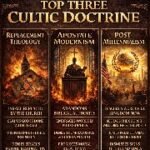 𝗧𝗢𝗣 𝗧𝗛𝗥𝗘𝗘 𝗖𝗨𝗟𝗧𝗜𝗖 𝗗𝗢𝗖𝗧𝗥𝗜𝗡𝗘𝗦
 𝗧𝗛𝗘 𝗙𝗢𝗨𝗥 𝗛𝗢𝗥𝗦𝗘𝗠𝗘𝗡 𝗢𝗙 𝗕𝗢𝗢𝗞 𝗢𝗙 𝗥𝗘𝗩𝗘𝗟𝗔𝗧𝗜𝗢𝗡
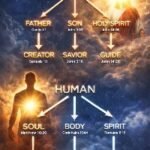 𝗚𝗢𝗗 𝗔𝗡𝗗 𝗠𝗔𝗡: 𝗥𝗜𝗚𝗛𝗧𝗟𝗬 𝗗𝗜𝗩𝗜𝗗𝗘𝗗 𝗗𝗘𝗦𝗜𝗚𝗡
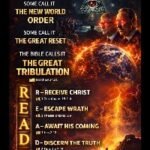 𝗪𝗛𝗔𝗧 𝗜𝗦 𝗖𝗢𝗠𝗜𝗡𝗚?
 𝗧𝗛𝗘 𝗕𝗥𝗔𝗜𝗡 𝗠𝗨𝗦𝗧 𝗕𝗘 𝗪𝗔𝗧𝗘𝗥𝗘𝗗 𝗪𝗜𝗧𝗛 𝗧𝗛𝗘 𝗪𝗢𝗥𝗗 𝗢𝗙 𝗚𝗢𝗗 𝗗𝗔𝗜𝗟𝗬
 𝗪𝗛𝗘𝗡 𝗡𝗔𝗧𝗜𝗢𝗡𝗦 𝗥𝗜𝗦𝗘… 𝗧𝗛𝗘 𝗣𝗥𝗢𝗣𝗛𝗘𝗧𝗦 𝗔𝗟𝗥𝗘𝗔𝗗𝗬 𝗦𝗣𝗢𝗞𝗘
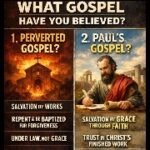 𝗪𝗛𝗜𝗖𝗛 𝗚𝗢𝗦𝗣𝗘𝗟 𝗛𝗔𝗩𝗘 𝗬𝗢𝗨 𝗕𝗘𝗟𝗜𝗘𝗩𝗘𝗗?