The Doctrine of the Rapture
A Blessed Hope for the Body of Christ
“Now to him that is of power to stablish you according to my gospel…” — Romans 16:25
“For the Lord himself shall descend from heaven…” — 1 Thessalonians 4:16–17
Introduction: What Are You Looking For?
The modern world is obsessed with signs.
Global instability, moral collapse, technological acceleration, geopolitical tension—many believers scan headlines as if prophecy were hidden in the news cycle. Meanwhile, religious voices constantly warn of tribulation, Antichrist, economic collapse, and apocalyptic upheaval.
Yet Scripture draws a distinction.
Israel looks for the Kingdom.
The world looks for signs.
But the Body of Christ looks for Christ Himself.
In this present Dispensation of Grace, the Church’s blessed hope is not the Tribulation. It is not the unveiling of the Antichrist. It is not the visible Second Coming of Christ to establish Israel’s earthly kingdom.
It is the Rapture.
The rapture is not speculation. It is not sensationalism. It is not theological guesswork. It is a doctrine revealed through the apostle Paul as part of the mystery program for the Church.
“Behold, I shew you a mystery…” (1 Corinthians 15:51).
Those words are not poetic flourish—they are dispensational clarity.
The doctrine of the rapture stands at the intersection of grace, identity, and destiny. To misunderstand it is to misplace the Church in prophecy. To understand it is to anchor the believer in hope.
This is not merely about future events. It is about present confidence.
Revelation: A Mystery Made Known
The foundation of the rapture doctrine begins with a word that reshapes theology—mystery.
In Scripture, a mystery is not something mysterious in the modern sense. It is a truth previously hidden, now revealed. Paul states plainly in Romans 16:25 that his gospel was “kept secret since the world began.” He declares in 1 Corinthians 15:51, “Behold, I shew you a mystery.”
The rapture was not foretold in Old Testament prophecy. Isaiah did not predict it. Daniel did not chart it. Ezekiel did not envision it. The prophets spoke extensively about Israel’s kingdom, the Messiah’s reign, tribulation judgment, and restoration—but they did not describe a sudden catching away of a heavenly Body composed of Jew and Gentile without distinction.
That silence is not oversight. It is design.
The rapture belongs to the mystery program—truth revealed directly to Paul by the risen Christ (Galatians 1:12). It concerns the Body of Christ, not national Israel. It concludes the dispensation of grace, not the prophetic timeline of Daniel’s seventy weeks.
Confusion arises when believers attempt to locate the rapture inside prophecy rather than inside revelation. When the Church is read back into Old Testament passages, contradictions multiply. But when the mystery is acknowledged, clarity emerges.
The rapture is not prophecy fulfilled. It is mystery completed.
And that distinction matters.
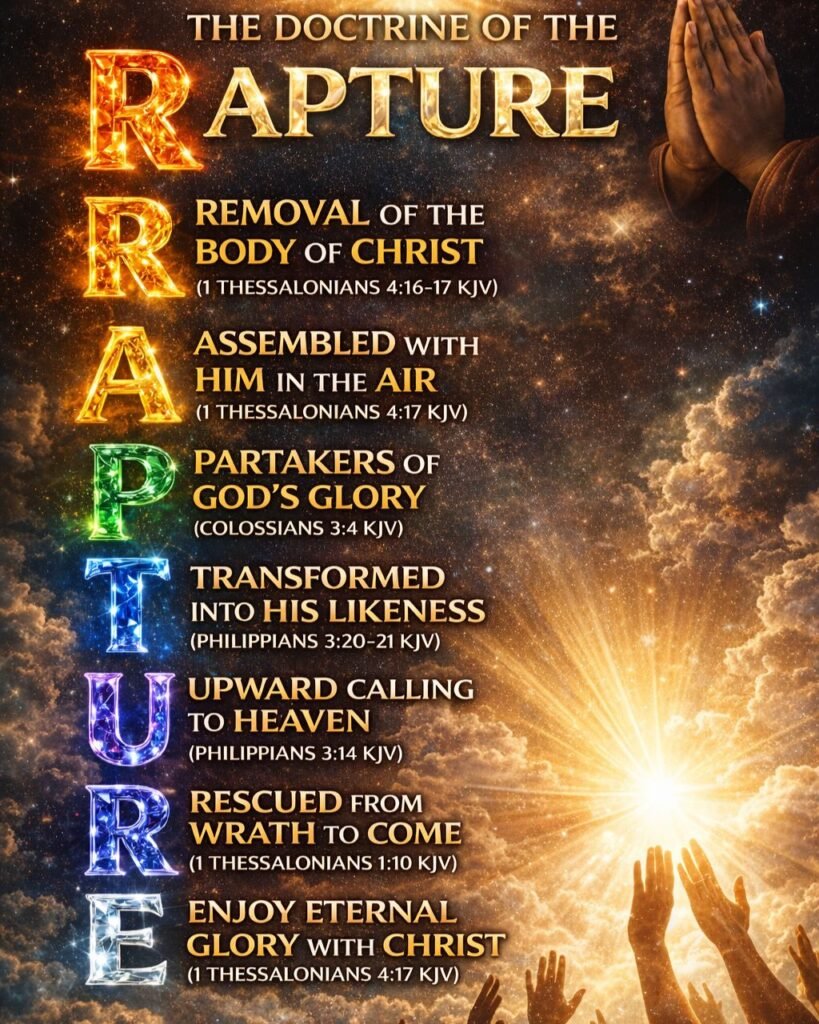
Removal: The Body of Christ Taken
The rapture is not symbolic. It is not spiritualized language. It is the literal, physical removal of the Body of Christ from the earth.
“For the Lord himself shall descend from heaven with a shout…” (1 Thessalonians 4:16).
Paul does not describe metaphor. He describes movement. The Lord descends. The dead in Christ rise. Living believers are caught up. The Church is gathered.
This removal is tied directly to exemption from wrath. In 1 Thessalonians 1:10, Paul assures believers that Jesus “delivered us from the wrath to come.” This is not general tribulation. It refers to the prophetic outpouring of divine judgment described in Revelation and Daniel.
The Church is not appointed to wrath (1 Thessalonians 5:9).
Furthermore, 2 Thessalonians 2:7 speaks of a restraining force—something or Someone holding back the full manifestation of lawlessness. When that restrainer is removed, the man of sin is revealed. Within dispensational understanding, this restraint is connected to the indwelling Spirit working through the Body of Christ. When the Church is taken, the restraint is lifted.
The rapture is not God abandoning the world. It is God concluding a dispensation.
It is removal before wrath, not endurance through it.
Assembly: Gathered to Christ in the Air
One of the most distinct features of the rapture is its meeting place.
“And so shall we ever be with the Lord” (1 Thessalonians 4:17).
Believers are caught up—harpazo in Greek—snatched away suddenly. The meeting occurs not on earth, not in Jerusalem, not on the Mount of Olives, but in the air.
This distinguishes the rapture from the Second Coming. At the Second Coming, Christ returns to earth in judgment and kingdom authority. At the rapture, believers meet Him above.
This upward assembly reflects the Church’s heavenly identity. Ephesians 2:6 declares believers are already seated in heavenly places in Christ. The rapture completes physically what is already true positionally.
For grieving believers in Thessalonica, this doctrine was not sensational—it was comforting. Paul closes the passage with these words: “Wherefore comfort one another with these words.”
The rapture is pastoral doctrine. It steadies sorrow. It quiets fear. It reorients expectation.
The Church’s reunion is upward, immediate, and eternal.
Partakers: Sharing His Glory
The rapture is not merely escape from judgment—it is entrance into glory.
“When Christ, who is our life, shall appear, then shall ye also appear with him in glory” (Colossians 3:4).
The Church is described as joint-heirs with Christ (Romans 8:17). This language implies participation. The glorification of the Body completes the redemptive process that began at justification.
Salvation unfolds in three tenses: we have been saved, we are being saved, and we shall be saved. The rapture marks the culmination of that final phase—glorification.
Believers share in Christ’s manifested glory, not because of merit, but because of union. The Body shares the destiny of the Head.
This glory is not earthly prestige. It is heavenly position. The Church’s calling is above, not below. Its inheritance is spiritual, not territorial.
The rapture is not simply departure—it is promotion into visible sonship.
Transformation: Changed in a Moment
Perhaps the most breathtaking aspect of the rapture is the transformation.
“In a moment, in the twinkling of an eye… we shall be changed” (1 Corinthians 15:52).
This is not moral improvement. It is bodily transformation. Corruption puts on incorruption. Mortality puts on immortality.
Philippians 3:21 explains that Christ “shall change our vile body, that it may be fashioned like unto his glorious body.”
The Church does not await gradual perfection. It awaits instantaneous conformity.
This truth eliminates fear of death and suffering. It reframes present weakness. Physical decay is temporary. Eternal embodiment is certain.
The transformation is not earned. It is granted. It does not depend on spiritual maturity, but on union with Christ.
The rapture is not self-improvement—it is divine re-creation.
Upward Calling: A Heavenly Destiny
Philippians 3:14 speaks of the “high calling of God in Christ Jesus.” The language is upward. The direction is vertical.
The Body of Christ is not promised land, temple, or throne in Jerusalem. Its hope is laid up in heaven (Colossians 1:5). Its citizenship is heavenly (Philippians 3:20).
Confusion arises when believers attempt to apply Israel’s earthly kingdom promises to the Church. Israel’s hope is national restoration and Messiah’s reign. The Church’s hope is union with Christ in heavenly places.
The rapture aligns perfectly with this upward calling.
It is not interruption—it is completion.
When Christ gathers His Body, He fulfills the heavenly dimension of His redemptive purpose.
Rescue: Delivered from Wrath
The Tribulation described in prophetic Scripture is not merely human turmoil—it is divine wrath.
Romans 5:9 states believers are “saved from wrath through him.” This salvation is not limited to eternal judgment; it includes deliverance from eschatological wrath.
The Church’s exemption is not favoritism—it is covenantal design. The Tribulation concerns Israel’s unfinished program—Daniel’s seventieth week. The Church is not part of that timeline.
To place the Church in the Tribulation is to collapse dispensational distinctions. It confuses mystery with prophecy.
The rapture preserves doctrinal boundaries.
The Body of Christ is removed before Daniel’s clock resumes.
Grace concludes before wrath begins.
Enjoyment: Ever with the Lord
The rapture begins unbroken fellowship.
“And so shall we ever be with the Lord” (1 Thessalonians 4:17).
The promise is relational. Salvation is not merely rescue from hell—it is union with Christ. The rapture initiates the fullness of that fellowship.
Paul speaks in 2 Timothy 2:12 of reigning with Him. The Church’s destiny includes participation in Christ’s exaltation.
Suffering is temporary. Fellowship is eternal.
The doctrine of the rapture is not escapism—it is relational fulfillment.
Expectation: Living in Readiness
Titus 2:13 calls the rapture “that blessed hope.” It is something believers look for, not something they calculate.
Imminence defines this expectation. No prophetic sign must occur first. The rapture is not preceded by tribulation events—it concludes the dispensation unexpectedly.
Yet imminence does not breed passivity. Paul concludes his rapture chapter with exhortation: “Therefore… be ye stedfast, unmoveable, always abounding in the work of the Lord” (1 Corinthians 15:58).
Hope fuels diligence. Assurance strengthens perseverance.
The believer under grace lives neither in panic nor indifference, but in readiness.
Conclusion: Comfort, Not Confusion
The doctrine of the rapture stands as:
A mystery—not prophecy.
A promise—not speculation.
A comfort—not confusion.
It secures the Church’s identity. It clarifies dispensational boundaries. It anchors believers in hope.
“Wherefore comfort one another with these words.”
The rapture is not designed to frighten the faithful. It is designed to steady them.
Call to Action
Believe the gospel—Christ died, was buried, and rose again.
Rightly divide the Word of truth.
Stand fast in grace.
Look up—not for wrath, but for reunion.
Final Thoughts
The Church is not appointed to wrath.
The rapture is imminent.
Grace ends with glory.
The world searches for signs.
Israel awaits the Kingdom.
The Body of Christ awaits the Savior.
Look up.
Live faithfully.
The Lord Himself shall descend.
And when He does, the Church will rise to meet Him—complete, transformed, and forever with the Lord.
Related posts:
 𝗧𝗛𝗘 𝗥𝗔𝗣𝗧𝗨𝗥𝗘: 𝗥𝗘𝗩𝗘𝗔𝗟𝗘𝗗, 𝗡𝗢𝗧 𝗜𝗡𝗩𝗘𝗡𝗧𝗘𝗗
 𝗦𝗢𝗢𝗡𝗘𝗥 𝗧𝗛𝗔𝗡 𝗪𝗘 𝗧𝗛𝗜𝗡𝗞
 𝗝𝗘𝗦𝗨𝗦 𝗖𝗛𝗥𝗜𝗦𝗧 𝗧𝗛𝗘 𝗠𝗘𝗦𝗦𝗜𝗔𝗛 𝗣𝗥𝗢𝗩𝗘𝗡 𝗪𝗜𝗧𝗛 𝗔𝗕𝗦𝗢𝗟𝗨𝗧𝗘 𝗖𝗘𝗥𝗧𝗔𝗜𝗡𝗧𝗬 𝗕𝗬 𝗗𝗔𝗡𝗜𝗘𝗟 𝟵
 𝗙𝗥𝗢𝗠 𝗣𝗥𝗢𝗣𝗛𝗘𝗖𝗬 𝗧𝗢 𝗠𝗬𝗦𝗧𝗘𝗥𝗬. 𝗧𝗛𝗘 𝗞𝗘𝗬 𝗧𝗢 𝗨𝗡𝗗𝗘𝗥𝗦𝗧𝗔𝗡𝗗𝗜𝗡𝗚 𝗦𝗖𝗥𝗜𝗣𝗧𝗨𝗥𝗘 – 𝗚𝗢𝗗 𝗜𝗦 𝗡𝗢𝗧 𝗧𝗛𝗘 𝗔𝗨𝗧𝗛𝗢𝗥 𝗢𝗙 𝗖𝗢𝗡𝗙𝗨𝗦𝗜𝗢𝗡!
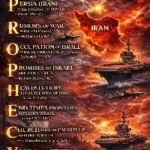 𝗪𝗛𝗘𝗡 𝗡𝗔𝗧𝗜𝗢𝗡𝗦 𝗥𝗜𝗦𝗘… 𝗧𝗛𝗘 𝗣𝗥𝗢𝗣𝗛𝗘𝗧𝗦 𝗔𝗟𝗥𝗘𝗔𝗗𝗬 𝗦𝗣𝗢𝗞𝗘
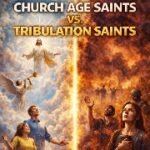 𝗧𝗛𝗘 𝗖𝗛𝗨𝗥𝗖𝗛 𝗔𝗚𝗘 𝗦𝗔𝗜𝗡𝗧𝗦 𝗩𝗦. 𝗧𝗛𝗘 𝗧𝗥𝗜𝗕𝗨𝗟𝗔𝗧𝗜𝗢𝗡 𝗦𝗔𝗜𝗡𝗧𝗦
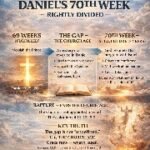 𝗗𝗔𝗡𝗜𝗘𝗟’𝗦 𝟳𝟬𝗧𝗛 𝗪𝗘𝗘𝗞 — 𝗥𝗜𝗚𝗛𝗧𝗟𝗬 𝗗𝗜𝗩𝗜𝗗𝗘𝗗
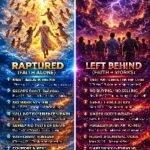 𝗥𝗔𝗣𝗧𝗨𝗥𝗘𝗗 𝗢𝗥 𝗟𝗘𝗙𝗧 𝗕𝗘𝗛𝗜𝗡𝗗?
 𝗧𝗛𝗘 𝗙𝗢𝗨𝗥 𝗛𝗢𝗥𝗦𝗘𝗠𝗘𝗡 𝗢𝗙 𝗕𝗢𝗢𝗞 𝗢𝗙 𝗥𝗘𝗩𝗘𝗟𝗔𝗧𝗜𝗢𝗡
 𝗖𝗔𝗨𝗚𝗛𝗧 𝗨𝗣 𝗢𝗥 𝗚𝗔𝗧𝗛𝗘𝗥𝗘𝗗?
 𝗪𝗛𝗢 𝗜𝗦 𝗧𝗛𝗘 𝗔𝗡𝗧𝗜𝗖𝗛𝗥𝗜𝗦𝗧?
 𝗪𝗛𝗘𝗡 𝗧𝗛𝗘 𝗧𝗥𝗨𝗠𝗣 𝗢𝗙 𝗚𝗢𝗗 𝗦𝗢𝗨𝗡𝗗𝗦
 𝗧𝗛𝗘 𝗦𝗘𝗖𝗥𝗘𝗧 𝗧𝗛𝗔𝗧 𝗗𝗘𝗦𝗧𝗥𝗢𝗬𝗘𝗗 𝗦𝗔𝗧𝗔𝗡
 𝗚𝗢𝗗’𝗦 𝗪𝗥𝗔𝗧𝗛 𝘃𝘀. 𝗚𝗢𝗗’𝗦 𝗚𝗥𝗔𝗖𝗘