
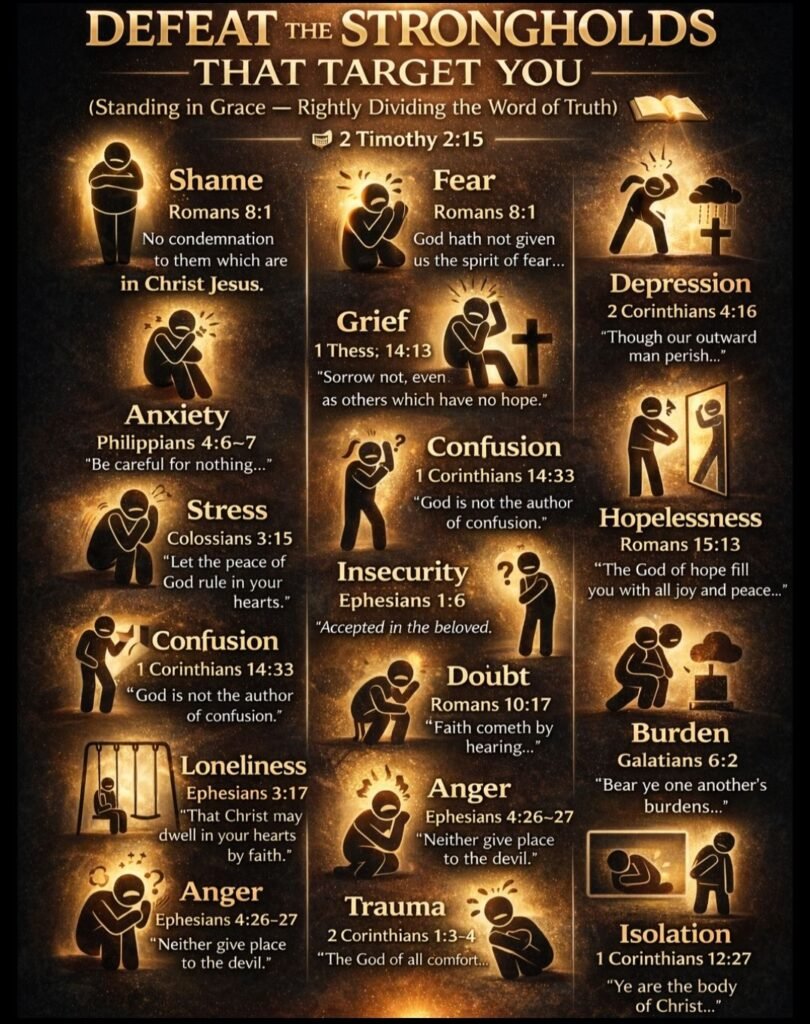
Defeating the Strongholds That Target You
Standing in Grace by Rightly Dividing the Word of Truth
“Study to shew thyself approved unto God, a workman that needeth not to be ashamed, rightly dividing the word of truth.” — 2 Timothy 2:15 (KJV)
Introduction: The Battle No One Sees
When the Bible speaks of spiritual warfare, it does not begin with demons, disasters, or dramatic outward conflict. It begins with the mind. Scripture is clear that the most dangerous prisons are not built with bars and locks, but with thoughts, beliefs, and internalized lies. These prisons are what the Apostle Paul calls strongholds—mental fortresses raised against the knowledge of God.
“For though we walk in the flesh, we do not war after the flesh.”
— 2 Corinthians 10:3 (KJV)
Strongholds are not always external attacks from the world; they are often internal systems of thinking that hold believers captive long after salvation. Shame, fear, anxiety, confusion, insecurity, anger, unresolved trauma, and isolation do not merely affect emotions—they shape decisions, relationships, and spiritual growth. Left unaddressed, they quietly sabotage the believer’s walk.
In the present Dispensation of Grace, believers are not instructed to fight for victory through rituals, emotional experiences, or self-effort. Victory has already been secured through hookup with Christ’s finished work. The call of Scripture is not to struggle toward freedom, but to stand in it.
“Stand fast therefore in the liberty wherewith Christ hath made us free.”
— Galatians 5:1 (KJV)
The defeat of strongholds does not come through hype, psychology alone, or religious performance. It comes through renewed thinking grounded in Pauline truth, rightly divided, consistently believed, and courageously applied. What follows is not motivational language—it is doctrinal clarity meant to dismantle the internal strongholds that quietly target believers every day.
Position Overcomes Shame
Shame is one of the most persistent and destructive strongholds in the Christian life. Unlike guilt, which responds to wrongdoing, shame attacks identity. It tells the believer, “You are unworthy. You are still condemned. You are tolerated, not accepted.” This mindset does not originate from God.
Paul addresses this directly:
“There is therefore now no condemnation to them which are in Christ Jesus.”
— Romans 8:1 (KJV)
Shame collapses the moment a believer stands firmly in their position in Christ. Justification is not partial, probationary, or performance-based. It is a settled legal declaration made by God Himself. To continue living under condemnation is not humility—it is unbelief.
In Christ, the believer is justified freely by grace, not by ongoing moral success. Acceptance before God is not temporary forgiveness awaiting revocation; it is permanent reconciliation accomplished at the cross. Shame thrives when believers forget who they are in Christ and begin measuring themselves by past failures or present weakness.
Paul’s doctrine makes it unmistakably clear: the believer’s standing is not maintained by effort but secured by Christ. Once this truth is believed, shame loses its power. Identity replaces accusation. Position silences condemnation.
Power Replaces Fear
Fear is often spiritualized or excused as wisdom, caution, or personality. Scripture exposes it for what it truly is—a product of unbelief and misplaced focus.
“For God hath not given us the spirit of fear; but of power, and of love, and of a sound mind.”
— 2 Timothy 1:7 (KJV)
Fear flourishes where truth is absent. It grows when believers interpret life through circumstances instead of identity. The grace message does not deny danger, pain, or uncertainty—it redefines the believer’s relationship to them.
Power in the Christian life does not come from confidence in self, but from identification with Christ. The believer is not trying to become powerful; they are learning to live from a position already empowered. A sound mind—the opposite of fear-driven thinking—comes through doctrinal renewal, not emotional hype.
Fear weakens spiritual clarity, distorts decision-making, and paralyzes obedience. Truth restores equilibrium. When believers understand who they are in Christ and what God has already provided, fear loses its authority. Power takes its place.
Promises Heal Grief
Grief is unavoidable in a fallen world. Christianity does not teach emotional denial or stoic suppression. What it does reject is hopeless grief.
“But I would not have you to be ignorant, brethren, concerning them which are asleep, that ye sorrow not, even as others which have no hope.”
— 1 Thessalonians 4:13 (KJV)
Loss is real. Pain is real. But for the believer, loss is not final. The resurrection of Christ transformed death from an ending into a separation with an expiration date. Pauline doctrine anchors grief in promise rather than despair.
Grief becomes a stronghold when it is interpreted without eternal perspective. When believers forget resurrection certainty, sorrow begins to define identity rather than season. Scripture does not remove sorrow—it reframes it.
Hope does not erase tears, but it redeems them. The certainty of reunion, the promise of resurrection, and the assurance of eternal life prevent grief from hardening into despair. In grace, loss is temporary. Christ guarantees restoration.
Peace Governs Anxiety
Anxiety is one of the most common strongholds in modern society, including among believers. It is fueled by uncertainty, control, and misplaced responsibility.
“Be careful for nothing; but in every thing by prayer and supplication with thanksgiving let your requests be made known unto God.”
— Philippians 4:6 (KJV)
Anxiety loses its grip when truth takes the throne of the mind. Paul does not instruct believers to deny concerns but to redirect them. Prayer shifts attention from circumstances to sovereignty. Thanksgiving reframes perspective. Peace is not manufactured—it is received.
“And the peace of God, which passeth all understanding, shall keep your hearts and minds through Christ Jesus.”
— Philippians 4:7 (KJV)
This peace is not emotional numbness; it is divine stability. It guards the mind, preventing anxious thoughts from establishing dominance. Grace stabilizes emotion not by changing circumstances, but by changing interpretation.
When believers understand God’s unchanging favor, anxiety no longer rules internal dialogue. Peace governs instead.
Perception Corrects Confusion
Confusion is not a mystery; Scripture explicitly identifies its source.
“For God is not the author of confusion.”
— 1 Corinthians 14:33 (KJV)
Much confusion in Christianity stems from mixing programs—blending Law and Grace, Israel and the Body of Christ, earthly promises with heavenly calling. When Scripture is not rightly divided, clarity is replaced with contradiction.
Right division does not divide the Bible—it organizes it. Pauline doctrine provides structure, sequence, and spiritual coherence. When believers understand which instructions apply to them in this dispensation, confusion dissolves.
Confusion itself becomes a stronghold when believers assume God is unclear. In reality, God has spoken plainly—but only to those willing to handle His Word accurately. Grace brings order. Right division restores understanding.
Positional Truth Heals Insecurity
Insecurity thrives where identity is uncertain. Many believers base their worth on performance, approval, or comparison—none of which originate from God.
“To the praise of the glory of his grace, wherein he hath made us accepted in the beloved.”
— Ephesians 1:6 (KJV)
Acceptance in Christ is permanent. It is not earned, maintained, or threatened by fluctuation in spiritual maturity. Positional truth declares what God has done, not what believers must achieve.
Insecurity dies when believers believe God’s verdict over their feelings. Being chosen in Christ means rejection no longer defines identity. Grace replaces self-worth metrics with divine declaration.
Security is not arrogance; it is agreement with God.
Proper Response Controls Anger
Anger is not always sinful, but it becomes a stronghold when unmanaged or prolonged.
“Be ye angry, and sin not: let not the sun go down upon your wrath: neither give place to the devil.”
— Ephesians 4:26–27 (KJV)
Paul acknowledges righteous anger but places clear boundaries around it. Delay, resentment, and unresolved offense create openings for spiritual damage. Grace does not excuse anger—it disciplines it.
Truth teaches restraint, perspective, and timely resolution. When believers respond according to doctrine rather than impulse, anger loses its ability to entrench itself.
Promises Heal Trauma
Trauma does not disappear with salvation, but it is not wasted in grace.
“Blessed be God… the Father of mercies, and the God of all comfort; who comforteth us in all our tribulation.”
— 2 Corinthians 1:3–4 (KJV)
God does not erase pain—He redeems it. Comfort received becomes comfort extended. Wounds healed become tools of ministry. Suffering gains meaning when framed by grace.
Trauma becomes a stronghold only when pain is interpreted as abandonment. Scripture reveals God as present, purposeful, and redemptive even in affliction.
Participation Defeats Isolation
Isolation weakens spiritual resilience.
“Now ye are the body of Christ, and members in particular.”
— 1 Corinthians 12:27 (KJV)
Believers are not designed for independent survival. The Body of Christ functions through connection, mutual care, and shared burden-bearing. Isolation magnifies strongholds; participation dismantles them.
Christ ministers through His Body. Community is not optional—it is protective.
Conclusion: Standing, Not Striving
Strongholds are not broken by emotion, willpower, or religious effort. They are dismantled by truth believed, rightly divided, and consistently applied.
“Stand fast therefore in the liberty wherewith Christ hath made us free.”
— Galatians 5:1 (KJV)
The believer is not fighting for freedom. Freedom has already been secured. The call is to stand.
Call to Action
Stop fighting from fear.
Start standing in grace.
Renew your mind daily.
Study Paul’s gospel.
Believe what God says about you.
The stronghold is already broken in Christ.
“Ye are complete in him.”
— Colossians 2:10 (KJV)
Related posts:
 𝗕𝗘𝗟𝗜𝗘𝗩𝗘𝗥’𝗦 𝗕𝗔𝗧𝗧𝗟𝗘𝗙𝗜𝗘𝗟𝗗 𝗢𝗙 𝗧𝗛𝗘 𝗠𝗜𝗡𝗗
 𝗧𝗛𝗘 𝗕𝗥𝗔𝗜𝗡 𝗠𝗨𝗦𝗧 𝗕𝗘 𝗪𝗔𝗧𝗘𝗥𝗘𝗗 𝗪𝗜𝗧𝗛 𝗧𝗛𝗘 𝗪𝗢𝗥𝗗 𝗢𝗙 𝗚𝗢𝗗 𝗗𝗔𝗜𝗟𝗬
 𝗚𝗛𝗢𝗦𝗧𝗦 𝗔𝗥𝗘𝗡’𝗧 𝗗𝗘𝗔𝗗 𝗣𝗘𝗢𝗣𝗟𝗘 — 𝗧𝗛𝗘𝗬’𝗥𝗘 𝗗𝗘𝗠𝗢𝗡𝗦
 𝗪𝗛𝗔𝗧 𝗔𝗥𝗘 𝗬𝗢𝗨 𝗙𝗘𝗘𝗗𝗜𝗡𝗚 𝗬𝗢𝗨𝗥 𝗠𝗜𝗡𝗗? — 𝗪𝗢𝗥𝗟𝗗 𝗼𝗿 𝗪𝗢𝗥𝗗
 𝗧𝗛𝗘 𝟳 𝗕𝗟𝗘𝗦𝗦𝗜𝗡𝗚𝗦 𝗢𝗙 𝗧𝗛𝗘 𝗛𝗢𝗟𝗬 𝗦𝗣𝗜𝗥𝗜𝗧
 𝗧𝗛𝗘𝗥𝗘 𝗜𝗦 𝗣𝗢𝗪𝗘𝗥 𝗜𝗡 𝗧𝗛𝗘 𝗕𝗟𝗢𝗢𝗗
 𝗟𝗜𝗚𝗛𝗧 𝗦𝗛𝗜𝗡𝗘𝗦 𝗜𝗡 𝗧𝗛𝗘 𝗗𝗔𝗥𝗞𝗡𝗘𝗦𝗦
 𝗧𝗛𝗘 𝗪𝗛𝗢𝗟𝗘 𝗔𝗥𝗠𝗢𝗥 𝗢𝗙 𝗚𝗢𝗗
 𝗔𝗟𝗖𝗢𝗛𝗢𝗟 — 𝗗𝗘𝗦𝗧𝗥𝗢𝗬𝗘𝗥 𝗢𝗙 𝗠𝗔𝗡𝗬 𝗟𝗜𝗩𝗘𝗦
 𝗪𝗛𝗢 𝗜𝗦 𝗝𝗘𝗦𝗨𝗦?
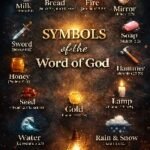 𝗦𝗬𝗠𝗕𝗢𝗟𝗦 𝗢𝗙 𝗧𝗛𝗘 𝗪𝗢𝗥𝗗 𝗢𝗙 𝗚𝗢𝗗
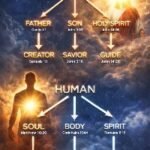 𝗚𝗢𝗗 𝗔𝗡𝗗 𝗠𝗔𝗡: 𝗥𝗜𝗚𝗛𝗧𝗟𝗬 𝗗𝗜𝗩𝗜𝗗𝗘𝗗 𝗗𝗘𝗦𝗜𝗚𝗡
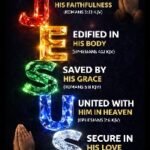 𝗝𝗘𝗦𝗨𝗦: 𝗢𝗨𝗥 𝗖𝗢𝗠𝗣𝗟𝗘𝗧𝗘 𝗦𝗧𝗔𝗡𝗗𝗜𝗡𝗚 𝗜𝗡 𝗚𝗥𝗔𝗖𝗘
 𝗕𝗘𝗪𝗔𝗥𝗘: 𝗦𝗔𝗧𝗔𝗡 𝗕𝗔𝗜𝗧𝗦 𝗛𝗜𝗦 𝗛𝗢𝗢𝗞 𝗪𝗜𝗧𝗛 𝗬𝗢𝗨𝗥 𝗙𝗔𝗩𝗢𝗥𝗜𝗧𝗘 𝗦𝗜𝗡