The Unholy Trinity: Satan’s Counterfeit System vs. God’s Eternal Purpose
From the beginning of Scripture to its final pages, one truth becomes unmistakably clear: Satan is not an originator. He is an imitator. He does not create new systems of power or worship; he corrupts existing ones. He does not invent truth; he distorts it. And he does not offer redemption; he counterfeits it.
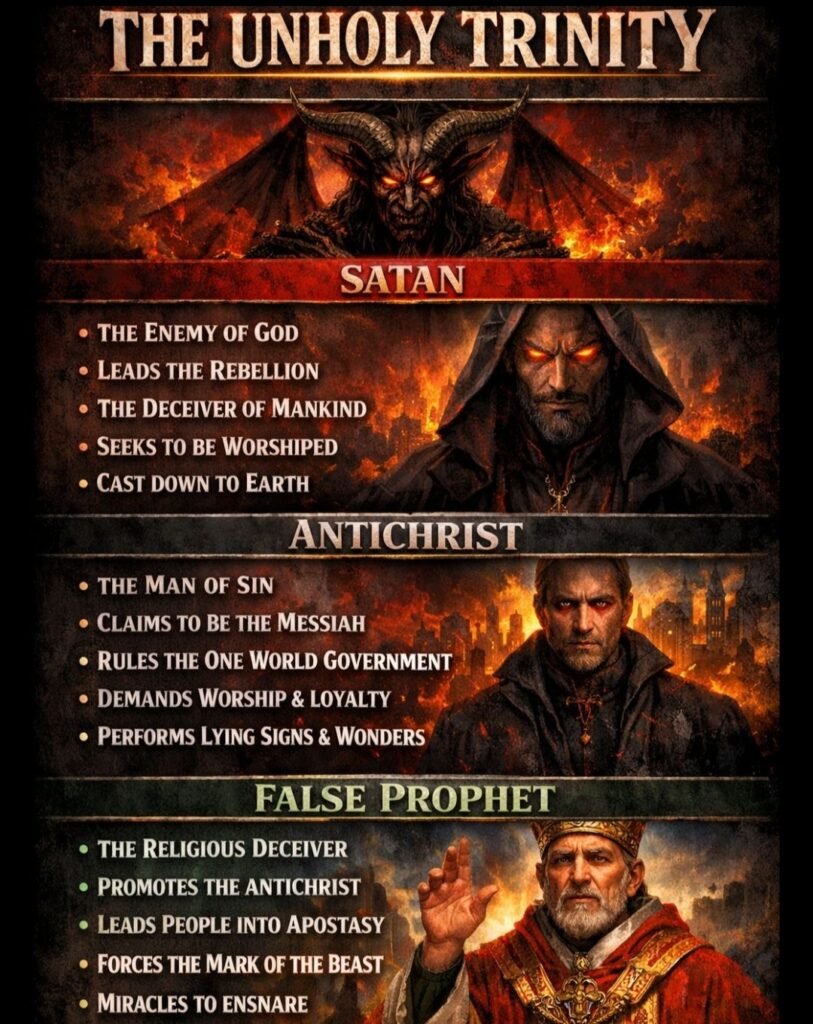
Nowhere is this pattern more evident than in what the Bible reveals about Satan’s final global strategy—an organized, unified, and deceptive system often described as the Unholy Trinity. Just as God reveals Himself as Father, Son, and Holy Spirit, Satan operates through a threefold counterfeit: Satan himself, the Antichrist, and the False Prophet. This is not coincidence. It is calculated mimicry.
In the present dispensation of grace, believers are not appointed to wrath. The Body of Christ is not destined for the outpouring of divine judgment described in prophetic Scripture. Yet this exemption does not excuse ignorance. Paul repeatedly warns believers to understand the times, to discern truth from deception, and to rightly divide God’s Word. The Unholy Trinity belongs to a future prophetic program that will dominate the world after the Church is removed. Understanding it is not about fear—it is about clarity.
Prophecy, when understood correctly, does not terrify believers. It reassures them. It confirms that God is sovereign, Satan is limited, and evil has an expiration date.
At the center of this counterfeit system stands Satan himself—the original deceiver and the source of all spiritual fraud. Jesus described him plainly when He said that Satan was a liar from the beginning and the father of lies. Deception is not merely something Satan does; it is who he is. His rebellion did not begin with violence, but with distortion. He twisted God’s words, questioned God’s motives, and redirected trust away from divine truth.
Scripture identifies Satan as the one who deceives the whole world. His influence is global, not localized. His methods are subtle, not always overt. He rarely confronts truth directly; instead, he replaces it with something almost identical. A half-truth is more effective than a lie, and Satan knows it.
Behind every false system of belief, every counterfeit gospel, and every deceptive spiritual movement stands the same dark source. Paul warned that Satan blinds the minds of unbelievers, preventing the light of the gospel from shining through. This blindness is not intellectual; it is spiritual. It does not remove intelligence; it redirects allegiance.
At the heart of Satan’s deception is pride. Long before humanity fell, Satan rebelled. Isaiah records his ambition with chilling clarity: “I will be like the Most High.” This was not a desire to serve God, but to replace Him. Satan’s fall was not caused by weakness, but by self-exaltation. He rejected submission and sought sovereignty.
That same pride drives Satan’s appetite for worship. When he tempted Christ in the wilderness, his demand was simple: worship me. This was not symbolic. It was strategic. Satan understands that worship is not merely reverence—it is authority transfer. Whoever is worshiped rules.
Throughout history, Satan has pursued this goal relentlessly, using political power, religious systems, and cultural influence to divert worship away from God. But his ultimate attempt to secure global allegiance will come through a man Scripture calls the Antichrist.
The Antichrist is not merely a political tyrant or a charismatic leader. He is a satanic substitute—a counterfeit Christ. Paul describes him as the man of sin, fully energized by Satan, who exalts himself above all that is called God. He does not deny spirituality; he redefines it. He does not oppose religion; he controls it.
Jesus Himself warned that Israel would accept one who comes in his own name, having rejected the true Messiah. This acceptance is not accidental. The Antichrist will present himself as a deliverer, a unifier, and a problem-solver in a world desperate for stability. His appeal will be rooted in crisis. Chaos creates opportunity, and deception thrives where fear dominates.
As global systems fracture and moral clarity dissolves, the Antichrist will rise as a unifying figure, offering order without truth and peace without righteousness. He will not appear monstrous. He will appear reasonable. That is what makes him dangerous.
Scripture reveals that this figure will wield unprecedented authority. He will rule not only politically but economically. Revelation describes a system in which commerce itself is controlled, where allegiance determines access to basic necessities. This is power on a scale history has never seen.
Power, however, divorced from truth becomes tyranny. The Antichrist will not tolerate dissent. Opposition will be silenced, not debated. His reign will appear successful by worldly standards—efficient, unified, and dominant—but it will be built on deception and enforced by fear.
Alongside the Antichrist stands another figure, often overlooked but equally dangerous: the False Prophet. If the Antichrist represents counterfeit kingship, the False Prophet represents counterfeit spirituality. He is not presented as a beastly tyrant but as a religious figure, appearing gentle, persuasive, and authoritative.
John describes him as one who looks like a lamb but speaks like a dragon. This imagery is deliberate. He appears Christlike but communicates satanic doctrine. His role is not to rule politically but to influence spiritually. He directs worship toward the Antichrist, legitimizing his authority through religious endorsement.
False religion has always prepared the way for false worship. Throughout history, distorted spirituality has softened humanity’s resistance to deception. The False Prophet capitalizes on this tendency, using religious language, spiritual experiences, and supernatural signs to manipulate belief.
One of the most sobering aspects of the False Prophet’s role is his use of miracles. Scripture warns that he will perform signs so convincing that, if it were possible, even the elect would be deceived. Fire from heaven, wonders, and supernatural displays will accompany his message. These signs will not point people to truth; they will distract them from it.
This is why Scripture consistently warns that signs never replace doctrine. Miracles without truth do not confirm God’s presence; they test discernment. Paul warned that the coming of the lawless one would be accompanied by all power, signs, and lying wonders. The deception lies not in the absence of power, but in the absence of truth.
Together, Satan, the Antichrist, and the False Prophet form a unified counterfeit system. Satan imitates the Father, exercising authority and demanding worship. The Antichrist imitates the Son, presenting himself as a savior and ruler. The False Prophet imitates the Spirit, directing worship and validating authority through signs.
This imitation is not accidental. It is a deliberate parody of God’s redemptive plan. But imitation is not equivalence. Satan can mimic structure, but he cannot reproduce substance. He can counterfeit authority, but he cannot grant life. He can demand worship, but he cannot save.
This unholy system will not dominate the world while the Church remains present. Paul teaches that a restraining force currently holds back this final revelation of lawlessness. That restraint is intimately connected to the presence of the Body of Christ, indwelt by the Holy Spirit.
When the Church is removed—caught up to meet the Lord in the air—the restraint is lifted. What follows is not gradual decline but rapid escalation. Chaos fills the vacuum, and the Unholy Trinity emerges fully into view. The world, no longer anchored by gospel witness, becomes vulnerable to deception on an unprecedented scale.
The timing matters. The rapture is not an escape clause; it is a doctrinal boundary. It marks the transition from the dispensation of grace to the resumption of prophetic judgment. Confusing these programs leads to fear-driven theology and misapplied warnings. Grace-age believers are not appointed to wrath, but they are called to understand it.
The apparent success of the Unholy Trinity will be brief. Revelation is unambiguous about their end. The Antichrist and the False Prophet are seized and cast alive into the lake of fire. Their authority collapses instantly. Their deception is exposed permanently.
Satan himself is bound, restrained, and eventually judged. His power, though terrifying in appearance, is temporary. His rebellion, though ancient, is futile. The cross already sealed his defeat. What unfolds in the future is not a contest between equals, but the execution of a sentence long decreed.
This is the ultimate contrast between God’s eternal purpose and Satan’s counterfeit system. God redeems through sacrifice. Satan rules through deception. God offers life freely. Satan demands allegiance cruelly. God’s kingdom endures forever. Satan’s reign collapses under judgment.
For believers today, the lesson is not to fear prophecy, but to understand it. The Unholy Trinity highlights the necessity of rightly dividing Scripture, recognizing dispensational boundaries, and standing firmly in grace. It reminds believers that salvation is secured by faith, not signs; by Christ’s finished work, not miraculous displays.
The call is clear. Believe the gospel of grace. Study God’s Word accurately. Watch the times without panic. Discern truth without paranoia. Stand firm without compromise.
The Holy Trinity secures salvation.
The Unholy Trinity seals destruction.
One is eternal, life-giving, and victorious.
The other is temporary, deceptive, and doomed.
And in that contrast lies both the warning and the hope: evil may imitate power for a season, but truth reigns forever.
Related posts:
 𝗧𝗛𝗘 𝗥𝗘𝗩𝗘𝗟𝗔𝗧𝗜𝗢𝗡 𝗢𝗙 𝗧𝗛𝗘 𝗧𝗥𝗜𝗡𝗜𝗧𝗬
 𝗧𝗛𝗘 𝗛𝗢𝗟𝗬 𝗧𝗥𝗜𝗡𝗜𝗧𝗬
 𝗪𝗛𝗢 𝗜𝗦 𝗧𝗛𝗘 𝗔𝗡𝗧𝗜𝗖𝗛𝗥𝗜𝗦𝗧?
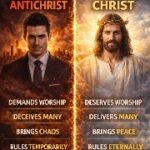 𝗔𝗡𝗧𝗜𝗖𝗛𝗥𝗜𝗦𝗧 𝘃𝘀 𝗖𝗛𝗥𝗜𝗦𝗧
 𝗧𝗛𝗘 𝗦𝗘𝗖𝗥𝗘𝗧 𝗧𝗛𝗔𝗧 𝗗𝗘𝗦𝗧𝗥𝗢𝗬𝗘𝗗 𝗦𝗔𝗧𝗔𝗡
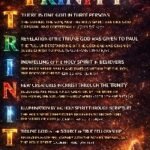 𝗧𝗛𝗘 𝗗𝗢𝗖𝗧𝗥𝗜𝗡𝗘 𝗢𝗙 𝗧𝗛𝗘 𝗧𝗥𝗜𝗡𝗜𝗧𝗬
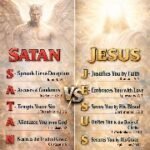 𝗦𝗔𝗧𝗔𝗡 𝘃𝘀 𝗝𝗘𝗦𝗨𝗦 — 𝗧𝗪𝗢 𝗢𝗣𝗣𝗢𝗦𝗜𝗡𝗚 𝗣𝗢𝗪𝗘𝗥𝗦, 𝗧𝗪𝗢 𝗗𝗘𝗦𝗧𝗜𝗡𝗜𝗘𝗦
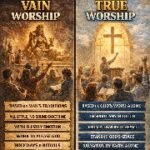 𝗩𝗔𝗜𝗡 𝗪𝗢𝗥𝗦𝗛𝗜𝗣 𝘃𝘀. 𝗧𝗥𝗨𝗘 𝗪𝗢𝗥𝗦𝗛𝗜𝗣 — 𝗥𝗜𝗚𝗛𝗧𝗟𝗬 𝗗𝗜𝗩𝗜𝗗𝗘𝗗
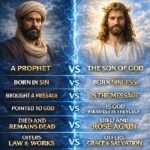 𝗠𝗨𝗛𝗔𝗠𝗠𝗔𝗗 𝗩𝗦. 𝗝𝗘𝗦𝗨𝗦 𝗖𝗛𝗥𝗜𝗦𝗧 — 𝗔 𝗠𝗔𝗧𝗧𝗘𝗥 𝗢𝗙 𝗧𝗥𝗨𝗧𝗛, 𝗡𝗢𝗧 𝗧𝗥𝗔𝗗𝗜𝗧𝗜𝗢𝗡
 𝗜𝗗𝗢𝗟𝗔𝗧𝗥𝗬: 𝗗𝗘𝗠𝗢𝗡𝗜𝗖 𝗗𝗘𝗖𝗘𝗣𝗧𝗜𝗢𝗡
 𝗙𝗔𝗟𝗦𝗘 𝗙𝗥𝗜𝗘𝗡𝗗𝗦: 𝗧𝗛𝗘 𝗗𝗔𝗡𝗚𝗘𝗥 𝗢𝗙 𝗣𝗥𝗘𝗧𝗘𝗡𝗗𝗘𝗗 𝗙𝗘𝗟𝗟𝗢𝗪𝗦𝗛𝗜𝗣
 𝗛𝗢𝗪 𝗦𝗔𝗧𝗔𝗡 𝗢𝗣𝗘𝗥𝗔𝗧𝗘𝗦 𝗧𝗢𝗗𝗔𝗬
 𝗝𝗘𝗦𝗨𝗦 𝗖𝗛𝗥𝗜𝗦𝗧 𝗧𝗛𝗘 𝗠𝗘𝗦𝗦𝗜𝗔𝗛 𝗣𝗥𝗢𝗩𝗘𝗡 𝗪𝗜𝗧𝗛 𝗔𝗕𝗦𝗢𝗟𝗨𝗧𝗘 𝗖𝗘𝗥𝗧𝗔𝗜𝗡𝗧𝗬 𝗕𝗬 𝗗𝗔𝗡𝗜𝗘𝗟 𝟵
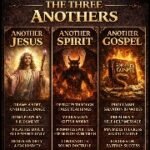 𝗧𝗛𝗘 𝗧𝗛𝗥𝗘𝗘 𝗔𝗡𝗢𝗧𝗛𝗘𝗥𝗦