
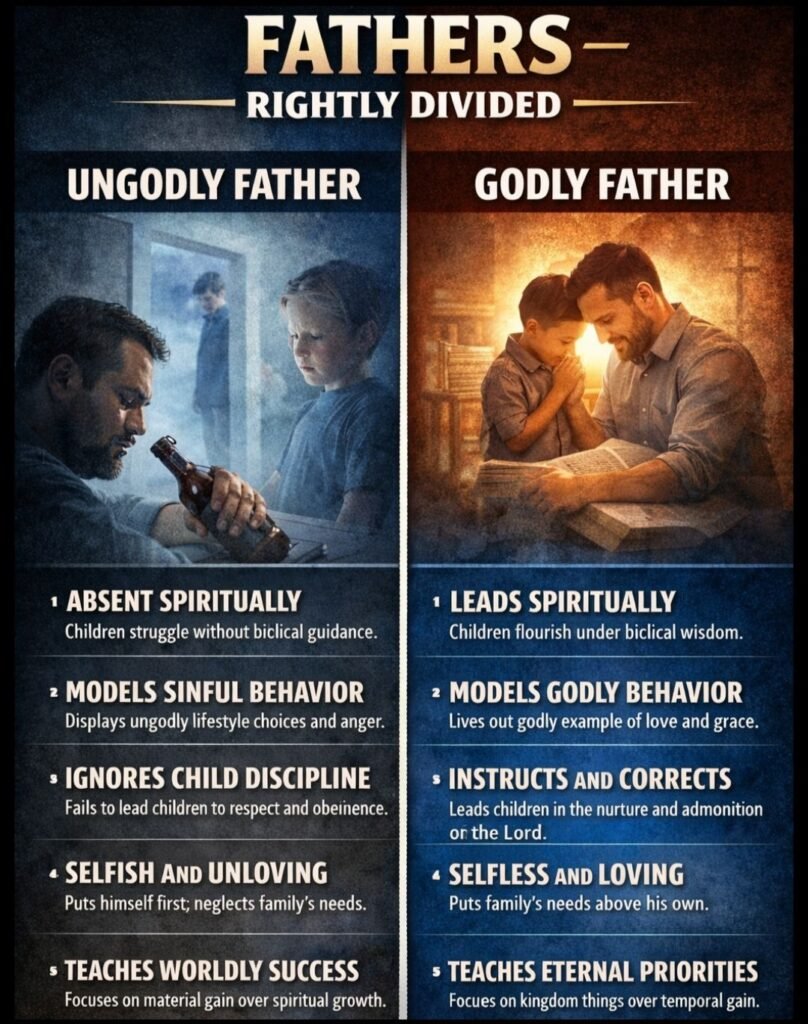
FATHERS — RIGHTLY DIVIDED
Ungodly Influence vs. Godly Leadership in the Grace Age
Tone note: This message confronts sin without condemning repentant fathers. Grace does not excuse failure—but it empowers transformation.
INTRODUCTION
In the dispensation of the grace of God (Eph. 3:2), fathers are not called to rule by fear or neglect by passivity—but to lead by love, truth, and example. Scripture shows that the spiritual direction of the home often rises or falls with the father.
As the father goes, so goes the family.
Ephesians 6:4 (KJV)
① PRESENCE — Absent vs. Available
Genesis 18:19; Ephesians 6:4 (KJV)
A. Spiritual Absence – Children lack biblical guidance
B. Steady Availability – A father present in faith
C. Spiritual Awareness – Leading intentionally
Grace calls fathers to be present, not passive.
② PATTERN — Sinful Example vs. Godly Example
Romans 2:21; 1 Corinthians 11:1 (KJV)
A. Hypocritical Living – Teaching truth but living sin
B. Holy Example – Life aligned with doctrine
C. Imitatable Faith – Children follow what they see
Grace teaches before it tells.
③ PARENTING — Neglect vs. Nurture
Proverbs 22:6; Ephesians 6:4 (KJV)
A. Ignored Discipline – Children left without correction
B. Instructive Discipline – Loving guidance
C. Intentional Training – Raising children in the Lord
Grace disciplines with purpose, not anger.
④ PRIORITY — Selfishness vs. Sacrifice
Philippians 2:3–4; Ephesians 5:25 (KJV)
A. Self-Centered Living – Father comes first
B. Servant Leadership – Family needs prioritized
C. Sacrificial Love – Christlike care
Grace reshapes priorities.
⑤ PERSUASION — Worldly Values vs. Eternal Values
Colossians 3:2; Matthew 6:33 (KJV)
A. Material Focus – Success measured by money
B. Mindset Shift – Affection set on things above
C. Meaningful Legacy – Eternity over economy
Grace lifts vision beyond this world.
⑥ PROCLAMATION — Silence vs. Scripture
Deuteronomy 6:6–7; 2 Timothy 3:15 (KJV)
A. Wordless Homes – No spiritual instruction
B. Word-Filled Homes – Scripture taught daily
C. Wisdom Passed Down – Faith transferred intentionally
Grace must be spoken, not assumed.
⑦ PATIENCE — Anger vs. Gentleness
Colossians 3:21; Proverbs 15:1 (KJV)
A. Provoking Children – Harshness discourages
B. Peaceful Correction – Soft answers instruct
C. Persistent Encouragement – Building confidence
Grace tempers authority with love.
⑧ PRIESTHOOD — Passive vs. Pastoral
Job 1:5; 1 Timothy 3:4–5 (KJV)
A. Abdicated Leadership – Spiritual role neglected
B. Household Shepherd – Father as spiritual guide
C. Holy Responsibility – Caring for souls at home
Grace restores spiritual leadership.
⑨ PROGENY — Broken Cycles vs. Blessed Generations
Psalm 78:5–7; 2 Timothy 1:5 (KJV)
A. Repeated Failures – Ungodly patterns continue
B. Redeemed Heritage – Faith passed to children
C. Reproducing Godliness – Legacy that honors Christ
Grace breaks cycles and builds generations.
CALL TO ACTION
Fathers—lead your homes spiritually
Live the Word you teach
Rely on grace, not excuses
As for me and my house, we will serve the LORD
Joshua 24:15 (KJV)
CONCLUSION
Ungodly fathers leave wounds.
Godly fathers leave wisdom.
Grace does not demand perfection—but it produces transformation.
A godly father is not a perfect man—he is a repentant, growing one.
FINAL THOUGHTS
Presence shapes children
Example teaches louder than words
Discipline protects futures
Sacrifice reflects Christ
Eternal values matter most
Scripture must be taught
Gentleness strengthens hearts
Fathers are spiritual leaders
Grace builds godly generations
Related posts:
 𝗧𝗛𝗘 𝗣𝗔𝗨𝗟𝗜𝗡𝗘 𝗣𝗔𝗧𝗧𝗘𝗥𝗡 𝗢𝗙 𝗔 𝗚𝗢𝗗𝗟𝗬 𝗛𝗨𝗦𝗕𝗔𝗡𝗗
 𝗚𝗢𝗗’𝗦 𝗗𝗘𝗦𝗜𝗚𝗡 𝘃𝘀. 𝗗𝗜𝗦𝗧𝗢𝗥𝗧𝗘𝗗 𝗗𝗢𝗠𝗜𝗡𝗔𝗡𝗖𝗘
 𝗧𝗛𝗘 𝗛𝗢𝗟𝗬 𝗧𝗥𝗜𝗡𝗜𝗧𝗬
 𝗣𝗔𝗦𝗧𝗢𝗥 𝘃𝘀 𝗕𝗜𝗦𝗛𝗢𝗣 𝘃𝘀 𝗘𝗟𝗗𝗘𝗥
 “𝗜 𝗔𝗡𝗗 𝗠𝗬 𝗙𝗔𝗧𝗛𝗘𝗥 𝗔𝗥𝗘 𝗢𝗡𝗘”
 𝗧𝗛𝗘 𝗗𝗢𝗖𝗧𝗥𝗜𝗡𝗘 𝗢𝗙 𝗧𝗛𝗘 𝗧𝗥𝗜𝗡𝗜𝗧𝗬
 𝗧𝗛𝗘 𝗣𝗥𝗜𝗢𝗥𝗜𝗧𝗬 𝗢𝗙 𝗧𝗛𝗘 𝗛𝗨𝗦𝗕𝗔𝗡𝗗
 𝗩𝗔𝗟𝗘𝗡𝗧𝗜𝗡𝗘’𝗦 𝗗𝗔𝗬: 𝗟𝗢𝗩𝗘 𝗨𝗡𝗗𝗘𝗥 𝗚𝗥𝗔𝗖𝗘 𝗢𝗥 𝗟𝗨𝗦𝗧 𝗨𝗡𝗗𝗘𝗥 𝗧𝗛𝗘 𝗙𝗟𝗘𝗦𝗛?
 𝗧𝗛𝗘 𝗗𝗜𝗩𝗜𝗡𝗘 𝗢𝗥𝗗𝗘𝗥 𝗢𝗙 𝗧𝗛𝗘 𝗙𝗔𝗠𝗜𝗟𝗬
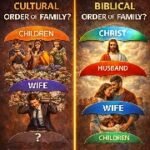 𝗖𝗨𝗟𝗧𝗨𝗥𝗔𝗟 𝘃𝘀. 𝗕𝗜𝗕𝗟𝗜𝗖𝗔𝗟 𝗢𝗥𝗗𝗘𝗥 𝗢𝗙 𝗙𝗔𝗠𝗜𝗟𝗬
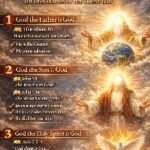 𝗧𝗛𝗘 𝗥𝗘𝗩𝗘𝗟𝗔𝗧𝗜𝗢𝗡 𝗢𝗙 𝗧𝗛𝗘 𝗧𝗥𝗜𝗡𝗜𝗧𝗬
 𝗕𝗢𝗦𝗦𝗬 𝗪𝗜𝗙𝗘 𝘃𝘀. 𝗕𝗜𝗕𝗟𝗜𝗖𝗔𝗟𝗟𝗬 𝗕𝗘𝗛𝗔𝗩𝗜𝗡𝗚 𝗪𝗜𝗙𝗘
 𝗚𝗢𝗗’𝗦 𝗟𝗢𝗩𝗘 𝘃𝘀. 𝗩𝗔𝗟𝗘𝗡𝗧𝗜𝗡𝗘’𝗦 𝗟𝗢𝗩𝗘𝗟𝗢𝗢𝗞𝗦 𝗖𝗔𝗡 𝗕𝗘 𝗗𝗘𝗖𝗘𝗜𝗩𝗜𝗡𝗚
 𝗪𝗛𝗬 𝗔𝗣𝗢𝗦𝗧𝗟𝗘 𝗣𝗔𝗨𝗟?