
POPE vs JESUS CHRIST — AUTHORITY, MEDIATION, AND SALVATION
Key Text: 1 Timothy 2:5 (KJV)
“For there is one God, and one mediator between God and men, the man Christ Jesus.”
INTRODUCTION
Throughout history, men have sought visible authority, while God has provided a living Savior.
The issue is not personalities—but authority, mediation, and salvation.
From a rightly divided Pauline perspective, we must ask:
Who has final authority?
Who mediates salvation?
Who alone saves?
Today we examine 9 clear contrasts between human religious leadership and the Lord Jesus Christ, as revealed in Paul’s gospel for this dispensation of grace.
SOURCE — MAN-MADE vs MANIFEST GOD
Galatians 1:11–12; John 1:14 (KJV)
A. Human office arises from succession
B. Christ arises from incarnation
C. One is appointed by men, the other sent by God
Truth:
Paul received revelation directly from Christ, not through religious hierarchy.
SOVEREIGNTY — HUMAN AUTHORITY vs HEAVENLY AUTHORITY
Colossians 2:10; Matthew 28:18 (KJV)
A. Religious authority is delegated
B. Christ’s authority is absolute
C. One governs institutions, the other governs eternity
Dispensational Insight:
The Church, the Body of Christ, is complete in Him, not under earthly heads.
STANDARD — TRADITION vs TRUTH
Colossians 2:8; 2 Timothy 3:16 (KJV)
A. Tradition develops over centuries
B. Scripture is God-breathed
C. One adds, the other authorizes
Pauline Warning:
Beware of philosophy and tradition that displace Christ.
SUPPLICATION — INTERCESSORS vs INTERCESSOR
1 Timothy 2:5; Romans 8:34 (KJV)
A. Religious systems multiply mediators
B. God appoints one Mediator
C. One relies on saints, the other rests in Christ
Grace Truth:
Christ alone intercedes for the Body of Christ.
SIN — FALLIBLE MEN vs FAULTLESS MESSIAH
Romans 3:23; Hebrews 4:15 (KJV)
A. All men sin
B. Christ remained sinless
C. One needs redemption, the other provides it
Dispensational Clarity:
Only a sinless Savior can redeem sinners.
SALVATION — SACRAMENTS vs SUFFICIENCY
Ephesians 2:8–9; Colossians 2:13–14 (KJV)
A. Religious systems emphasize rituals
B. Grace proclaims a finished work
C. One requires performance, the other requires faith
Paul’s Gospel:
Salvation is by grace through faith, not through works or rites.
SEAT — EARTHLY THRONES vs HEAVENLY REIGN
Colossians 3:1; Hebrews 1:3 (KJV)
A. Earthly leaders rule temporarily
B. Christ reigns eternally
C. One sits among men, the other sits at God’s right hand
Hope:
Our Head is seated in heavenly places.
SERVICE — INSTITUTIONAL vs INDWELLING
Colossians 1:27; 2 Corinthians 5:20 (KJV)
A. Religion operates through structure
B. Grace operates through the indwelling Christ
C. One manages systems, the other transforms lives
Pauline Reality:
Christ in you is the hope of glory.
SUPREMACY — SHARED HONOR vs SOLE GLORY
Colossians 1:18; Philippians 2:9–11 (KJV)
A. Religious honor is distributed
B. Christ receives all glory
C. One points upward, the other is exalted above all
Final Authority:
Christ alone is Head of the Body.
CONCLUSION
The issue is not Catholic vs Protestant.
The issue is Christ vs substitutes.
One is religious authority
The other is redemptive authority
“Christ is all, and in all.” (Colossians 3:11)
CALL TO ACTION
Trust Christ alone
Stand on Scripture alone
Rest in grace alone
“Believe on the Lord Jesus Christ, and thou shalt be saved.” (Acts 16:31)
FINAL THOUGHTS
Religion cannot save
Tradition cannot redeem
Offices cannot forgive
Rituals cannot justify
Saints cannot mediate
Works cannot complete
Christ finished the work
Grace secures salvation
Jesus alone is Lord
Related posts:
 𝗚𝗢𝗗 𝗔𝗡𝗗 𝗠𝗔𝗡: 𝗥𝗜𝗚𝗛𝗧𝗟𝗬 𝗗𝗜𝗩𝗜𝗗𝗘𝗗 𝗗𝗘𝗦𝗜𝗚𝗡
 𝗪𝗛𝗢 𝗦𝗔𝗬𝗦 𝗝𝗘𝗦𝗨𝗦 𝗖𝗛𝗥𝗜𝗦𝗧 𝗜𝗦 𝗚𝗢𝗗?
 𝗧𝗛𝗘 𝗖𝗥𝗢𝗦𝗦: 𝗚𝗢𝗗’𝗦 𝗣𝗢𝗪𝗘𝗥 𝗙𝗢𝗥 𝗦𝗔𝗟𝗩𝗔𝗧𝗜𝗢𝗡
 𝗝𝗘𝗦𝗨𝗦 𝗖𝗛𝗥𝗜𝗦𝗧 𝗧𝗛𝗘 𝗠𝗘𝗦𝗦𝗜𝗔𝗛 𝗣𝗥𝗢𝗩𝗘𝗡 𝗪𝗜𝗧𝗛 𝗔𝗕𝗦𝗢𝗟𝗨𝗧𝗘 𝗖𝗘𝗥𝗧𝗔𝗜𝗡𝗧𝗬 𝗕𝗬 𝗗𝗔𝗡𝗜𝗘𝗟 𝟵
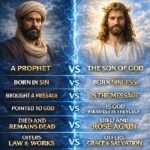 𝗠𝗨𝗛𝗔𝗠𝗠𝗔𝗗 𝗩𝗦. 𝗝𝗘𝗦𝗨𝗦 𝗖𝗛𝗥𝗜𝗦𝗧 — 𝗔 𝗠𝗔𝗧𝗧𝗘𝗥 𝗢𝗙 𝗧𝗥𝗨𝗧𝗛, 𝗡𝗢𝗧 𝗧𝗥𝗔𝗗𝗜𝗧𝗜𝗢𝗡
 𝗪𝗛𝗢 𝗜𝗦 𝗝𝗘𝗦𝗨𝗦?
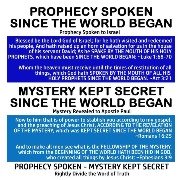 𝗙𝗥𝗢𝗠 𝗣𝗥𝗢𝗣𝗛𝗘𝗖𝗬 𝗧𝗢 𝗠𝗬𝗦𝗧𝗘𝗥𝗬. 𝗧𝗛𝗘 𝗞𝗘𝗬 𝗧𝗢 𝗨𝗡𝗗𝗘𝗥𝗦𝗧𝗔𝗡𝗗𝗜𝗡𝗚 𝗦𝗖𝗥𝗜𝗣𝗧𝗨𝗥𝗘 – 𝗚𝗢𝗗 𝗜𝗦 𝗡𝗢𝗧 𝗧𝗛𝗘 𝗔𝗨𝗧𝗛𝗢𝗥 𝗢𝗙 𝗖𝗢𝗡𝗙𝗨𝗦𝗜𝗢𝗡!
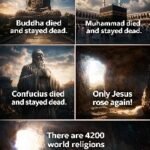 𝗢𝗡𝗟𝗬 𝗢𝗡𝗘 𝗘𝗠𝗣𝗧𝗬 𝗧𝗢𝗠𝗕
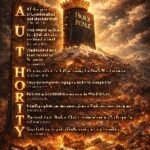 𝗧𝗛𝗘 𝗙𝗜𝗡𝗔𝗟 𝗔𝗨𝗧𝗛𝗢𝗥𝗜𝗧𝗬 — 𝗧𝗛𝗘 𝗪𝗢𝗥𝗗 𝗢𝗙 𝗚𝗢𝗗
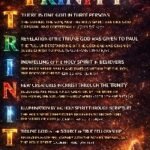 𝗧𝗛𝗘 𝗗𝗢𝗖𝗧𝗥𝗜𝗡𝗘 𝗢𝗙 𝗧𝗛𝗘 𝗧𝗥𝗜𝗡𝗜𝗧𝗬
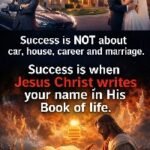 𝗧𝗥𝗨𝗘 𝗦𝗨𝗖𝗖𝗘𝗦𝗦: 𝗪𝗛𝗘𝗡 𝗬𝗢𝗨𝗥 𝗡𝗔𝗠𝗘 𝗜𝗦 𝗪𝗥𝗜𝗧𝗧𝗘𝗡 𝗜𝗡 𝗛𝗘𝗔𝗩𝗘𝗡
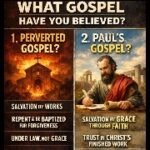 𝗪𝗛𝗜𝗖𝗛 𝗚𝗢𝗦𝗣𝗘𝗟 𝗛𝗔𝗩𝗘 𝗬𝗢𝗨 𝗕𝗘𝗟𝗜𝗘𝗩𝗘𝗗?
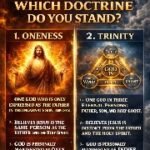 𝗪𝗛𝗜𝗖𝗛 𝗗𝗢𝗖𝗧𝗥𝗜𝗡𝗘 𝗗𝗢 𝗬𝗢𝗨 𝗦𝗧𝗔𝗡𝗗?
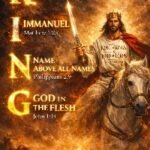 𝗞𝗜𝗡𝗚 𝗢𝗙 𝗞𝗜𝗡𝗚𝗦