
DISPENSATIONALISM VS. COVENANT THEOLOGY
(Rightly Dividing Truth vs. Replacing God’s Programs)
2 Timothy 2:15 — “Rightly dividing the word of truth.”
INTRODUCTION
The difference between Dispensationalism and Covenant Theology is not minor—it affects how the entire Bible is understood. One system divides what God distinguishes; the other combines what God separates.
Dispensationalism recognizes multiple divine administrations in Scripture and maintains a clear distinction between Israel and the Church. Covenant Theology, though sincere, spiritualizes promises and merges programs, resulting in doctrinal confusion.
Today we examine nine major contrasts between these two systems.
THE DEFINITION OF GOD’S DEALINGS
Ephesians 3:2; Hebrews 1:1
A. Dispensational Distinction — God works through distinct dispensations
B. Covenant Combination — God works through theological covenants
C. Divine Administration — Dispensations are biblical, covenants inferred
Dispensations are revealed in Scripture, not assumed.
THE DIVISION OF SCRIPTURE
2 Timothy 2:15; 2 Peter 3:15–16
A. Dispensational Separation — Law vs. Grace
B. Covenant Synthesis — One covenant of grace assumed
C. Doctrinal Stability — Division prevents contradiction
Right division protects biblical harmony.
THE DISTINCTION BETWEEN ISRAEL AND THE CHURCH
Romans 11:25–27; Ephesians 3:5–6
A. Dispensational Distinction — Two peoples, two programs
B. Covenant Replacement — Church replaces Israel
C. Doctrinal Conflict — Promises reassigned
Israel is set aside, not set aside forever.
THE DESTINY OF GOD’S PEOPLE
Philippians 3:20; Isaiah 2:2–4
A. Dispensational Destinies — Israel earthly, Church heavenly
B. Covenant Destiny — One people, one destiny
C. Divine Design — Heaven and earth distinguished
God has heavenly and earthly purposes.
THE DEFINITION OF THE GOSPEL
1 Corinthians 15:1–4; Galatians 2:16
A. Dispensational Gospel — Christ’s finished work alone
B. Covenant Gospel — Gospel spread across dispensations
C. Doctrinal Danger — Works subtly reintroduced
A mixed gospel is a corrupted gospel.
THE DELIVERY OF DOCTRINE
Romans 11:13; 1 Corinthians 14:37
A. Dispensational Authority — Paul as apostle to the Gentiles
B. Covenant Authority — Jesus’ earthly ministry applied to Church
C. Doctrinal Confusion — Kingdom instructions misapplied
Paul reveals Church doctrine.
THE DEFINITION OF THE KINGDOM
Matthew 6:10; Luke 19:11
A. Dispensational Kingdom — Literal, earthly, future
B. Covenant Kingdom — Spiritual, present, internal
C. Divine Delay — Kingdom postponed due to rejection
The kingdom is promised, not spiritualized.
THE DOCTRINE OF PROPHECY
Acts 3:21; Romans 16:25
A. Dispensational Prophecy — Israel-focused
B. Covenant Application — Church inserted into prophecy
C. Mystery Clarified — Church not foretold
The Church is a mystery, not prophecy.
THE DANGER OF DOCTRINAL MIXING
Galatians 5:1; Colossians 2:8
A. Dispensational Clarity — Each passage in its place
B. Covenant Confusion — Law and grace blended
C. Doctrinal Corruption — Liberty lost
Mixing systems destroys certainty.
FINAL THOUGHTS
God works in dispensations
Scripture must be rightly divided
Israel and the Church are distinct
The Church has a heavenly calling
The gospel is finished and final
Paul is our apostle
The kingdom is future and literal
The Church is a mystery
Confusion comes from covenant mixing
CONCLUSION
Dispensationalism does not divide God—it distinguishes God’s plan.
Covenant Theology seeks unity but sacrifices clarity.
God’s Word does not contradict itself when it is rightly divided.
“God is not the author of confusion.” (1 Corinthians 14:33)
CALL TO ACTION
Rightly divide the Word of Truth
Study Paul’s epistles deeply
Stand firm in grace alone
Reject theological traditions that blur Scripture
Rejoice in your heavenly identity in Christ
Clarity comes from division—biblical division.
Related posts:
 𝗖𝗔𝗟𝗩𝗜𝗡𝗜𝗦𝗠 𝘃𝘀 𝗗𝗜𝗦𝗣𝗘𝗡𝗦𝗔𝗧𝗜𝗢𝗡𝗔𝗟𝗜𝗦𝗠 — 𝗥𝗜𝗚𝗛𝗧𝗟𝗬 𝗗𝗜𝗩𝗜𝗗𝗜𝗡𝗚 𝗧𝗛𝗘 𝗪𝗢𝗥𝗗 𝗢𝗙 𝗧𝗥𝗨𝗧𝗛
 𝗥𝗜𝗚𝗛𝗧𝗟𝗬 𝗗𝗜𝗩𝗜𝗗𝗜𝗡𝗚 𝗧𝗛𝗘 𝗚𝗥𝗔𝗖𝗘 𝗚𝗢𝗦𝗣𝗘𝗟 𝗙𝗥𝗢𝗠 𝗧𝗛𝗘 𝗡𝗘𝗪 𝗖𝗢𝗩𝗘𝗡𝗔𝗡𝗧
 𝗧𝗢𝗣 𝗧𝗛𝗥𝗘𝗘 𝗖𝗨𝗟𝗧𝗜𝗖 𝗗𝗢𝗖𝗧𝗥𝗜𝗡𝗘𝗦
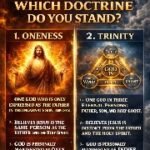 𝗪𝗛𝗜𝗖𝗛 𝗗𝗢𝗖𝗧𝗥𝗜𝗡𝗘 𝗗𝗢 𝗬𝗢𝗨 𝗦𝗧𝗔𝗡𝗗?
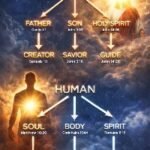 𝗚𝗢𝗗 𝗔𝗡𝗗 𝗠𝗔𝗡: 𝗥𝗜𝗚𝗛𝗧𝗟𝗬 𝗗𝗜𝗩𝗜𝗗𝗘𝗗 𝗗𝗘𝗦𝗜𝗚𝗡
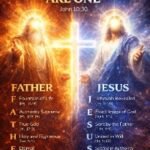 “𝗜 𝗔𝗡𝗗 𝗠𝗬 𝗙𝗔𝗧𝗛𝗘𝗥 𝗔𝗥𝗘 𝗢𝗡𝗘”
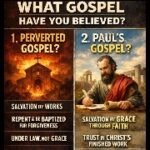 𝗪𝗛𝗜𝗖𝗛 𝗚𝗢𝗦𝗣𝗘𝗟 𝗛𝗔𝗩𝗘 𝗬𝗢𝗨 𝗕𝗘𝗟𝗜𝗘𝗩𝗘𝗗?
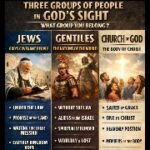 𝗧𝗛𝗥𝗘𝗘 𝗚𝗥𝗢𝗨𝗣𝗦 𝗢𝗙 𝗣𝗘𝗢𝗣𝗟𝗘 𝗜𝗡 𝗚𝗢𝗗’𝘀 𝗦𝗜𝗚𝗛𝗧
 𝗧𝗜𝗧𝗛𝗘𝗦 𝗜𝗦 𝗔 𝗦𝗖𝗔𝗠?
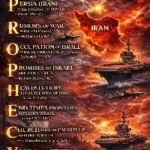 𝗪𝗛𝗘𝗡 𝗡𝗔𝗧𝗜𝗢𝗡𝗦 𝗥𝗜𝗦𝗘… 𝗧𝗛𝗘 𝗣𝗥𝗢𝗣𝗛𝗘𝗧𝗦 𝗔𝗟𝗥𝗘𝗔𝗗𝗬 𝗦𝗣𝗢𝗞𝗘
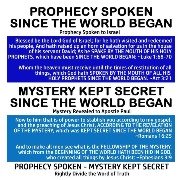 𝗙𝗥𝗢𝗠 𝗣𝗥𝗢𝗣𝗛𝗘𝗖𝗬 𝗧𝗢 𝗠𝗬𝗦𝗧𝗘𝗥𝗬. 𝗧𝗛𝗘 𝗞𝗘𝗬 𝗧𝗢 𝗨𝗡𝗗𝗘𝗥𝗦𝗧𝗔𝗡𝗗𝗜𝗡𝗚 𝗦𝗖𝗥𝗜𝗣𝗧𝗨𝗥𝗘 – 𝗚𝗢𝗗 𝗜𝗦 𝗡𝗢𝗧 𝗧𝗛𝗘 𝗔𝗨𝗧𝗛𝗢𝗥 𝗢𝗙 𝗖𝗢𝗡𝗙𝗨𝗦𝗜𝗢𝗡!
 𝗪𝗛𝗢 𝗜𝗦 𝗝𝗘𝗦𝗨𝗦?
 𝗧𝗛𝗘 𝗞𝗜𝗡𝗚𝗗𝗢𝗠 𝗚𝗢𝗦𝗣𝗘𝗟 & 𝗧𝗛𝗘 𝗚𝗥𝗔𝗖𝗘 𝗚𝗢𝗦𝗣𝗘𝗟
 𝗜𝗚𝗡𝗢𝗥𝗜𝗡𝗚 𝗧𝗛𝗘 𝗧𝗥𝗨𝗧𝗛 𝗗𝗢𝗘𝗦𝗡’𝗧 𝗖𝗛𝗔𝗡𝗚𝗘 𝗧𝗛𝗘 𝗧𝗥𝗨𝗧𝗛