
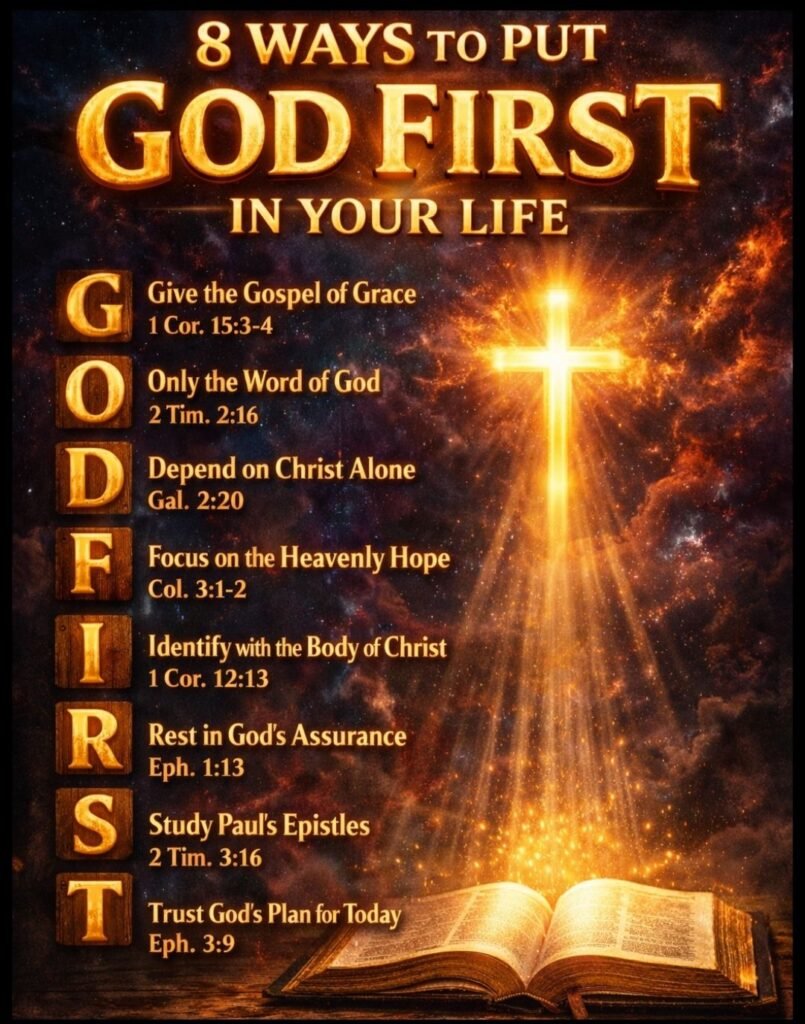
The forensic audit of the human soul under the current Administration of Grace reveals a persistent structural failure: the tendency to relegate the Creator to the periphery of the creature’s existence. Within the specialized framework of the Pauline epistles, the believer is not called to a mere religious improvement, but to a total jurisdictional shift where the Lord Jesus Christ occupies the seat of absolute preeminence. Matthew 6:33 provides the diagnostic baseline for this investigative report: “But seek ye first the kingdom of God, and his righteousness; and all these things shall be added unto you.” This report asserts that in the Dispensation of Grace, putting God first is not a legalistic requirement for salvation, but the functional result of a mind renewed by the Mystery. Under the light of the revelation committed to the Apostle Paul, the investigator identifies that the believer’s message, mindset, and mission are all recalibrated when the “old man” is reckoned dead and the life of Christ is allowed to manifest in the mortal body.
The primary forensic category of a God-first life involves the mandate to Give the Gospel of Grace. In 1 Corinthians 15:3–4, the Apostle Paul establishes the clinical facts of the faith: “For I delivered unto you first of all that which I also received, how that Christ died for our sins according to the scriptures; And that he was buried, and that he rose again the third day according to the scriptures.” The investigator finds that when God is prioritized, the proclamation of this finished work becomes the believer’s primary currency. This grace-centered message, as documented in Ephesians 2:8–9, declares that salvation is a gift, “not of works, lest any man should boast.” The audit reveals that a global mission of reconciliation, as ambassadors for Christ (2 Corinthians 5:20), is the inevitable byproduct of an internal hierarchy where the glory of God outweighs the comforts of the flesh. Putting God first means that the gospel is not merely a Sunday morning recitation, but the governing theme of every conversation and the “power of God unto salvation” (Romans 1:16) in every circumstance.
A secondary finding in this investigative audit focuses on the requirement to Obey the Word of God as the final authority for faith and practice. 2 Timothy 3:16 asserts that “All scripture is given by inspiration of God, and is profitable for doctrine, for reproof, for correction, for instruction in righteousness.” The investigator finds that a life that puts God first is a life that submits to divine instruction without reservation. This is not the “blind obedience” of a cultic system, but the “reasonable service” (Romans 12:1) of a workman who observes sound doctrine. Titus 1:9 mandates “holding fast the faithful word,” ensuring that the believer is not “tossed to and fro” by the shifting winds of human philosophy. By operating by Scripture, the believer allows the Word to be a lamp unto their feet (Psalm 119:105), effectively letting God’s written revelation direct every decision, from the boardroom to the living room.
The report further identifies the necessity of a total Dependence on Christ Alone. Galatians 2:20 provides the forensic heartbeat of the Pauline walk: “I am crucified with Christ: nevertheless I live; yet not I, but Christ liveth in me: and the life which I now live in the flesh I live by the faith of the Son of God, who loved me, and gave himself for me.” The investigator finds that self-reliance is the primary competitor for God’s first place. Daily reliance means trusting in Christ’s power rather than one’s own intellect or resources. Philippians 4:13—”I can do all things through Christ which strengtheneth me”—is not a mantra for personal ambition, but a recognition of divine enablement. The audit reveals that God’s strength is perfected in our weakness (2 Corinthians 12:9). When the believer walks by faith and not by sight (2 Corinthians 5:7), they demonstrate that their security is anchored in the Person of Christ, rather than the volatility of the material world.
A diagnostic review of the believer’s temporal orientation reveals a Focus on Heavenly Hope as a key marker of spiritual priority. Colossians 3:1–2 issues the administrative order: “If ye then be risen with Christ, seek those things which are above, where Christ sitteth on the right hand of God. Set your affection on things above, not on things on the earth.” The investigator finds that when earthly ambitions take precedence, the “affections” are misaligned. A God-first life anticipates the “blessed hope” (Titus 2:13) of Christ’s return, which acts as a purifying influence on daily conduct. 2 Timothy 4:8 promises a crown of righteousness to all those who “love his appearing.” By fixing priorities on eternal rewards rather than temporary treasures (Matthew 6:20), the believer ensures that their life’s work survives the “trial by fire” at the Judgment Seat of Christ (1 Corinthians 3:13-15). The investigator notes that an eternal perspective is the only effective antidote to the “vanity of vanities” found in a Christ-less pursuit of worldly success.
The fifth diagnostic marker involves the believer’s willingness to Identify with the Body of Christ. 1 Corinthians 12:13 provides the legal standing: “For by one Spirit are we all baptized into one body.” The investigator finds that putting God first involves prioritizing the “unity of the Spirit” (Ephesians 4:3). To be indwelt by the Spirit is to be functionally connected to every other member of the Body. Fellowship is not an optional social activity, but a clinical necessity for spiritual health. Hebrews 10:24–25 commands believers to “provoke unto love and to good works” through consistent assembly. The investigator notes that every believer has been assigned a specific function within the Body (Romans 12:5). When a member fails to serve, the entire organism suffers. Therefore, identifying with the Body means subordinating personal convenience to the edification of the saints, ensuring that the “Head, even Christ” (Ephesians 4:15) is honored through the health of His members.
The report further emphasizes the need to Rest in God’s Assurance. Ephesians 1:13–14 documents the security of the believer: “In whom ye also trusted, after that ye heard the word of truth, the gospel of your salvation: in whom also after that ye believed, ye were sealed with that holy Spirit of promise.” The investigator finds that a lack of assurance often leads to a “works-based” anxiety that displaces God’s peace. To put God first is to believe His promise of eternal security. Colossians 1:14 confirms that we have “redemption through his blood, even the forgiveness of sins.” This is not a “probationary” standing, but a permanent judicial reality. Being “sealed by the Spirit” (Ephesians 4:30) provides the believer with the confidence to serve God out of love rather than fear. Romans 5:1 establishes that being “justified by faith, we have peace with God.” The audit shows that those who rest in this assurance are far more effective in their service, as their energy is directed toward others rather than toward maintaining their own salvation.
A critical component of this spiritual hierarchy is the mandate to Study the Scriptures Rightly Divided. 2 Timothy 2:15 provides the tactical instruction: “Study to shew thyself approved unto God, a workman that needeth not to be ashamed, rightly dividing the word of truth.” The investigator finds that much of the confusion in the modern church stems from a failure to distinguish between God’s program for Israel and His program for the Body of Christ. To put God first is to honor the way He has structured His Word. Acts 17:11 commends those who search the Scriptures daily to verify doctrine. Right division requires an understanding of the “Dispensation of the Grace of God” (Ephesians 3:2), which clarifies why we are not under the Law today. The investigator notes that spiritual growth (Colossians 1:10) is stymied when the believer tries to live by instructions intended for another time or people. Maturity comes from eating the “meat” of the Pauline revelation, which is the specific dietary requirement for the current age.
The eighth and final sign identified in this report is the commitment to Trust God’s Plan for Today. Ephesians 3:9 describes this plan as “the fellowship of the mystery, which from the beginning of the world hath been hid in God.” The investigator finds that many believers are looking for God in the wrong places—seeking signs, wonders, or political kingdoms—when God is currently working through the silent, invisible operation of grace. To put God first is to trust the “mystery revealed” (Romans 16:25) through the Apostle Paul. This involves testifying of the “gospel of the grace of God” (Acts 20:24) as the only valid program for the present hour. Thankful obedience, as described in Colossians 3:23, means doing “heartily, as to the Lord,” in whatever vocation the believer finds themselves. The investigator concludes that trusting God’s plan today means recognizing that the “one new man” (Ephesians 2:15) is God’s masterpiece, and our primary duty is to be “laborers together with God” (1 Corinthians 3:9) in its construction.
The investigative summary concludes that putting God first transforms every area of human existence. When the gospel of grace is the message, the mindset is one of dependence, the mission is eternal, and the walk is directed by the Word rightly divided, the believer is no longer a “child of this world” but a functional “ambassador of Christ.” Romans 12:1 provides the closing appeal: “I beseech you therefore, brethren, by the mercies of God, that ye present your bodies a living sacrifice, holy, acceptable unto God, which is your reasonable service.” A life that puts God first is not a life of loss, but a life of infinite gain, as it exchanges the “beggarly elements” of the world for the “unsearchable riches of Christ” (Ephesians 3:8).
A call to action is issued for every saint to conduct a personal audit of their schedule, their checkbook, and their conversations. First, ask yourself if the gospel of grace is your primary conversation or if you are consumed by the “vanity” of current events. Second, determine if you are studying the Word for yourself or if you are dependent on the traditions of men. Third, evaluate your dependence: are you relying on your own strength (which will surely fail) or on the indwelling Christ (who cannot fail)? Colossians 3:17 issues the administrative decree: “And whatsoever ye do in word or deed, do all in the name of the Lord Jesus, giving thanks to God and the Father by him.” Choose today to intentionally re-seat Christ at the center of your life, making the “eternal” your “immediate” priority.
The forensic data regarding “Spiritual Edification” (Ephesians 4:12) reveals that the Body grows only when every joint supplies its part according to the measure of the gift of Christ. In a life where God is “last,” the spiritual joints become calcified by the cares of this world (Mark 4:19). The investigator finds that true maturity—the “perfect man” described in Ephesians 4:13—is only achieved when the believer’s “affections” are anchored in the Third Heaven. Control of the life must be handed over to the Head. The audit shows that the most resilient believers are those who have a “single eye” (Matthew 6:22), focused solely on the pleasure of the Lord.
Furthermore, the investigation into “The Law of Liberty” (Galatians 5:13) confirms that our freedom in Christ is not a license to serve ourselves, but a freedom to serve God. The investigator find that when we put ourselves first, we actually become “servants of corruption” (2 Peter 2:19). However, when we put God first, we find the “perfect law of liberty” (James 1:25). This is the great paradox of the Pauline doctrine: the “bondservant of Christ” is the only truly free man on earth. The investigator concludes that this liberty is the primary environment in which the “fruit of the Spirit” (Galatians 5:22-23) can grow and flourish.
The audit of “Ministerial Accountability” shows that every member of the Body will one day “give account of himself to God” (Romans 14:12). This investigation emphasizes that we are not our own; we have been “bought with a price” (1 Corinthians 6:20). Therefore, putting God first is not an act of “extra-credit” spirituality, but a forensic duty. The investigator find that those who treat the “things of God” as a secondary hobby will find themselves “ashamed” at the appearing of Christ. Conversely, those who “seek his righteousness” will find that the “peace of God, which passeth all understanding” (Philippians 4:7) guards their hearts and minds through Christ Jesus.
The final word of this investigative report is a reminder that the world is passing away, but the “will of God” abideth forever (1 John 2:17). The “perilous times” (2 Timothy 3:1) are characterized by men being “lovers of their own selves” and “lovers of pleasures more than lovers of God.” The investigator find that the only way to escape the gravitational pull of this present evil world (Galatians 1:4) is to have a “God-First” orientation. Trust His gospel, obey His Word, rest in His assurance, and study His truth. The investigation is finished. The signs are clear. Let the believer walk in the power of the Spirit, for a life that puts God first will never be spiritually last.
The investigative findings are summarized for final review:
- Give the Gospel: Proclaiming the finished work is the primary priority (1 Corinthians 15:3-4).
- Obey the Word: Scripture is the final authority for all belief and behavior (2 Timothy 3:16).
- Depend on Christ: Living by faith replaces the failure of self-reliance (Galatians 2:20).
- Focus on Heaven: Eternal rewards outweigh temporary earthly gains (Colossians 3:1-2).
- Identify with the Body: Fellowship and service are mandatory for Body health (1 Corinthians 12:13).
- Rest in Assurance: Security in Christ provides the peace necessary for service (Ephesians 1:13).
- Study Rightly Divided: Right division is the key to doctrinal clarity and growth (2 Timothy 2:15).
- Trust God’s Plan: God is working through the Mystery of Grace today (Ephesians 3:9).
The case for “8 Ways to Put God First” is closed. The data is provided for the edification of the saint. May the God of our Lord Jesus Christ, the Father of glory, give unto you the spirit of wisdom and revelation in the knowledge of him (Ephesians 1:17). Amen.
Related posts:
 𝗟𝗜𝗚𝗛𝗧 𝗦𝗛𝗜𝗡𝗘𝗦 𝗜𝗡 𝗧𝗛𝗘 𝗗𝗔𝗥𝗞𝗡𝗘𝗦𝗦
 𝗦.𝗪.𝗢.𝗥.𝗗. — 𝗧𝗛𝗘 𝗪𝗢𝗥𝗗 𝗢𝗙 𝗚𝗢𝗗
 𝗜𝗚𝗡𝗢𝗥𝗜𝗡𝗚 𝗧𝗛𝗘 𝗧𝗥𝗨𝗧𝗛 𝗗𝗢𝗘𝗦𝗡’𝗧 𝗖𝗛𝗔𝗡𝗚𝗘 𝗧𝗛𝗘 𝗧𝗥𝗨𝗧𝗛
 𝗧𝗛𝗘 𝗧𝗥𝗜𝗖𝗛𝗢𝗧𝗢𝗠𝗬 𝗢𝗙 𝗠𝗔𝗡
 𝗙𝗔𝗟𝗦𝗘 𝗙𝗥𝗜𝗘𝗡𝗗𝗦: 𝗧𝗛𝗘 𝗗𝗔𝗡𝗚𝗘𝗥𝗦 𝗢𝗙 𝗣𝗥𝗘𝗧𝗘𝗡𝗗𝗘𝗗 𝗙𝗘𝗟𝗟𝗢𝗪𝗦𝗛𝗜𝗣
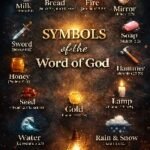 𝗦𝗬𝗠𝗕𝗢𝗟𝗦 𝗢𝗙 𝗧𝗛𝗘 𝗪𝗢𝗥𝗗 𝗢𝗙 𝗚𝗢𝗗
 𝗧𝗛𝗘 𝗦𝗪𝗢𝗥𝗗 𝗢𝗙 𝗧𝗛𝗘 𝗦𝗣𝗜𝗥𝗜𝗧 — 𝗧𝗛𝗘 𝗪𝗢𝗥𝗗 𝗢𝗙 𝗚𝗢𝗗
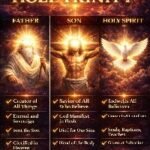 𝗧𝗛𝗘 𝗛𝗢𝗟𝗬 𝗧𝗥𝗜𝗡𝗜𝗧𝗬
 𝗕𝗘𝗟𝗜𝗘𝗩𝗘𝗥’𝗦 𝗕𝗔𝗧𝗧𝗟𝗘𝗙𝗜𝗘𝗟𝗗 𝗢𝗙 𝗧𝗛𝗘 𝗠𝗜𝗡𝗗
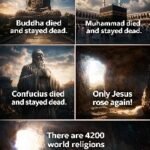 𝗢𝗡𝗟𝗬 𝗢𝗡𝗘 𝗘𝗠𝗣𝗧𝗬 𝗧𝗢𝗠𝗕
 𝗧𝗛𝗘 𝗪𝗛𝗢𝗟𝗘 𝗔𝗥𝗠𝗢𝗥 𝗢𝗙 𝗚𝗢𝗗
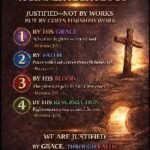 𝗛𝗢𝗪 𝗚𝗢𝗗 𝗗𝗘𝗖𝗟𝗔𝗥𝗘𝗦 𝗔 𝗦𝗜𝗡𝗡𝗘𝗥 𝗥𝗜𝗚𝗛𝗧𝗘𝗢𝗨𝗦
 𝗧𝗛𝗘 𝗙𝗜𝗡𝗔𝗟 𝗔𝗨𝗧𝗛𝗢𝗥𝗜𝗧𝗬 — 𝗧𝗛𝗘 𝗪𝗢𝗥𝗗 𝗢𝗙 𝗚𝗢𝗗
 𝗧𝗛𝗘𝗥𝗘 𝗜𝗦 𝗣𝗢𝗪𝗘𝗥 𝗜𝗡 𝗧𝗛𝗘 𝗕𝗟𝗢𝗢𝗗 𝗢𝗙 𝗝𝗘𝗦𝗨𝗦 𝗖𝗛𝗥𝗜𝗦𝗧