The forensic audit of the current Administration of Grace establishes a fundamental requirement for the preservation of spiritual autonomy among those who constitute the Body of Christ. Within the specialized framework of the Pauline epistles, the church is defined not as a hierarchical engine of human management, but as a living organism designed for the edification of the individual saint through the unadulterated intake of sound doctrine. Galatians 5:1 provides the diagnostic baseline for this investigative report: “Stand fast therefore in the liberty wherewith Christ hath made us free, and be not entangled again with the yoke of bondage.” This report asserts that any ecclesiastical structure which prioritizes the consolidation of human power over the spiritual emancipation of the believer has departed from the blueprints of the Mystery. Under the light of the revelation committed to the Apostle Paul, the investigator identifies that the true authority for the believer is not a religious system, but the Word of God rightly divided.
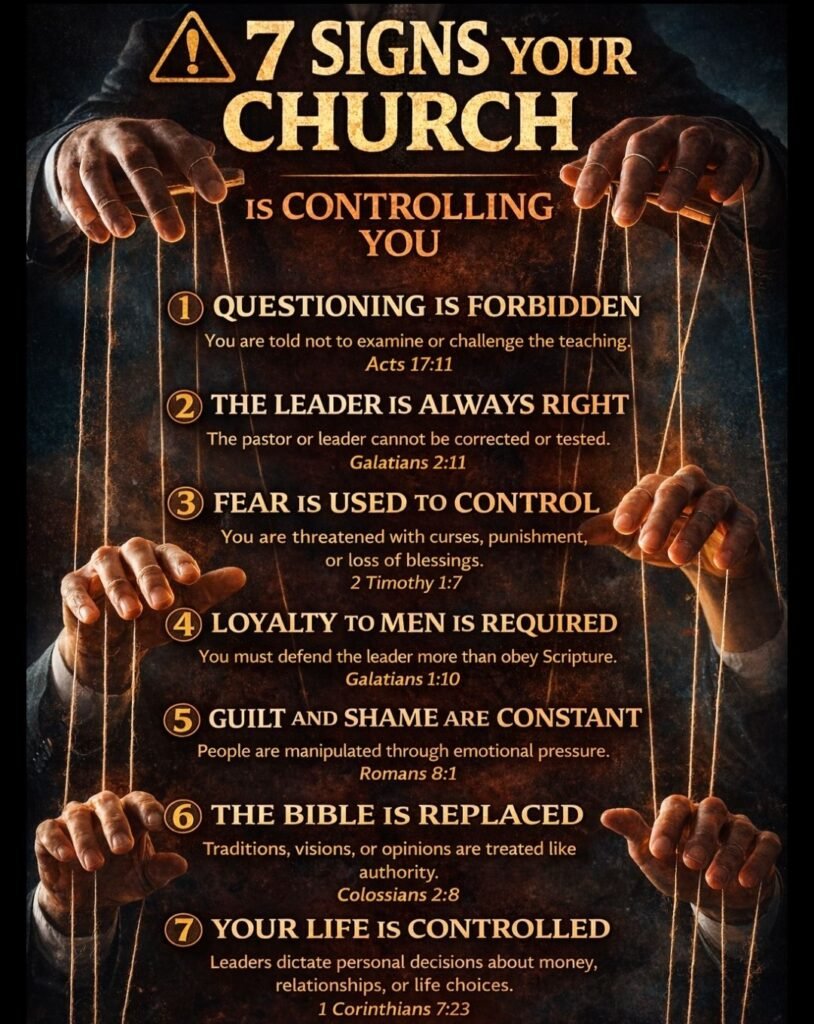
The primary forensic indicator of a controlling environment is the systematic silencing of scriptural inquiry. Acts 17:11 establishes the professional standard for the congregation, noting that the Bereans were “more noble than those in Thessalonica, in that they received the word with all readiness of mind, and searched the scriptures daily, whether those things were so.” In a healthy administrative setting, the leadership encourages the workman to “study to shew thyself approved unto God” (2 Timothy 2:15). However, a controlling church views spiritual curiosity as a threat to its operational stability. By suppressing examination and forbidding questions regarding established doctrine, the leadership creates a vacuum of accountability. This investigative data suggests that when a church discourages the testing of all things (1 Thessalonians 5:21), it seeks to replace the individual’s conscience with a collective blind loyalty, effectively insulating the leadership from the corrective power of the Word.
A secondary finding in this investigative audit involves the claim of absolute or untouchable authority by human agents. The Pauline record identifies that while there are offices for the perfecting of the saints, the “head of the body” remains exclusively Christ (Colossians 1:18). Galatians 2:11 provides a clinical example of apostolic accountability, where Paul withstood Peter to the face because he was to be blamed. When a leader is perceived as spiritually superior or beyond correction, the church has entered a state of judicial imbalance. 2 Corinthians 1:24 clarifies the proper ministerial posture: “Not for that we have dominion over your faith, but are helpers of your joy: for by faith ye stand.” Commanding unquestioned obedience to a man elevates that man above the seat of Christ, violating the primary protocol of the Body where “one is your Master, even Christ; and all ye are brethren” (Matthew 23:8).
The report further identifies the utilization of fear-based control as a diagnostic sign of spiritual pathology. 2 Timothy 1:7 confirms that “God hath not given us the spirit of fear; but of power, and of love, and of a sound mind.” Manipulation in a controlling church often operates through the threat of spiritual curses, the loss of divine blessings, or the isolation of the individual from the community. This investigative data points to a reversal of the gospel of grace; instead of being “delivered from the power of darkness” (Colossians 1:13), the believer is placed back under a spirit of bondage to fear (Romans 8:15). Fear acts as an emotional shackle that prevents the saint from exercising their liberty in Christ, making them susceptible to the whims of an intimidating leadership that uses guilt as a tool of administrative leverage.
Furthermore, the audit highlights a dangerous pivot toward loyalty to men over the authority of the Scriptures. Galatians 1:10 issues a sharp warning: “for if I yet pleased men, I should not be the servant of Christ.” In controlling systems, the devotion of the congregation is often funneled toward a specific personality or “spiritual father” figure, creating a culture of celebrity that obscures the finished work of the Savior. 1 Corinthians 1:12 records the forensic danger of saying, “I am of Paul; and I of Apollos; and I of Cephas.” This leader-centered loyalty effectively limits biblical authority, as the words of the man are treated as having a weight equal to or greater than the written text. Colossians 2:8 warns the believer to “beware lest any man spoil you through philosophy and vain deceit, after the tradition of men… and not after Christ.”
The investigation into internal church dynamics reveals the fifth sign: the use of guilt and shame as a mechanism for behavioral modification. Romans 8:1 declares a total cessation of judicial condemnation: “There is therefore now no condemnation to them which are are in Christ Jesus.” A controlling church, however, operates on a platform of constant shame, gaslighting believers by twisting Scripture to imply that their positional standing with God is dependent on their performance within the church system. This generates a state of spiritual dependence where the believer feels powerless without the church’s mediation. Grieving the conscience through unscriptural demands violates the principle of 1 Timothy 4:2, where the conscience is meant to be stayed on the truth of grace, not seared by the heavy burdens of man-made religious expectations.
A diagnostic review of the curriculum in such institutions reveals that the Bible is frequently replaced with human tradition or denominational mandates. 2 Timothy 3:16 asserts that “all scripture is given by inspiration of God, and is profitable,” yet a controlling leadership often treats the Bible as a secondary resource used only to proof-text their own traditions. Mark 7:7 describes this condition: “Howbeit in vain do they worship me, teaching for doctrines the commandments of men.” When borrowed traditions are elevated and followers are discouraged from personal study, the congregation becomes vulnerable to deception. The investigator find that the diminishing of biblical authority is the primary means by which a religious system maintains its control over the uninformed workman.
The seventh and most invasive sign identified in this report is the control of the believer’s personal life. 1 Corinthians 7:23 provides the forensic boundary: “Ye are bought with a price; be not ye the servants of men.” Controlling churches frequently cross spiritual boundaries by dictating the private decisions of their members, including financial management, career choices, and personal relationships. This crossing of boundaries corrupts spiritual liberty and replaces the leading of the Spirit through the Word with the dictation of a human hierarchy. 1 Peter 5:3 instructs leaders not to be “lords over God’s heritage, but being ensamples to the flock.” When a church attempts to dominate the personal walk of the saint, it has stepped into a position of lordship that belongs only to the Creator.
The investigative summary concludes that a healthy administrative setting for the Body of Christ is one that promotes sound doctrine, spiritual freedom, and the absolute authority of the Word of God. A church operating under the Dispensation of Grace should lead people to a deeper dependence on Christ, not a deeper dependence on a religious system. The investigator find that the ultimate goal of the local assembly is the “perfecting of the saints, for the work of the ministry, for the edifying of the body of Christ” (Ephesians 4:12), a goal that is fundamentally incompatible with the tactics of human control.
A call to action is issued for every believer to conduct a personal audit of their spiritual environment. Ask yourself if the Word of God is the final authority in your assembly, or if the words of a leader carry more weight. Are you being encouraged to study the Scriptures for yourself (Acts 17:11), or are you being told to follow blindly? 1 Thessalonians 5:21 commands you to “prove all things; hold fast that which is good.” If your spiritual environment is characterized by fear, guilt, and the suppression of truth, you are commanded to “stand fast” in the liberty of Christ. Commit today to follow the living Head of the Church, ensuring that your faith rests not in the wisdom of men, but in the power of God.
The forensic data regarding “Spiritual Edification” (Ephesians 4:16) reveals that the Body grows when every joint supplies its part. In a controlling church, the “joints” are frozen by the demands of the leadership, preventing the organic growth of the Body. The investigator find that true spiritual maturity is only possible in an environment where the believer is free to operate according to the “measure of the gift of Christ.” Control stultifies growth; grace facilitates it. A workman who is constantly under the thumb of a human system will never develop the “full assurance of understanding” necessary to be a functional member of the Body.
Furthermore, the investigation into “The Law of Liberty” (James 1:25/Galatians 5:13) confirms that our freedom is not a license to sin, but a freedom to serve. “For, brethren, ye have been called unto liberty; only use not liberty for an occasion to the flesh, but by love serve one another.” A controlling church often fears this liberty, believing that without strict human oversight, the believers will fall into carnal living. The investigator find that this is a lack of faith in the “effectual working” of the Word (1 Thessalonians 2:13). It is the Word of God that transforms the believer, not the shackles of a religious committee.
The audit of “Ministerial Accountability” shows that every member of the Body has the right and responsibility to examine the doctrine of the assembly. 1 John 4:1 warns, “Beloved, believe not every spirit, but try the spirits whether they are of God: because many false prophets are gone out into the world.” This is a clinical necessity for the protection of the flock. A church that refuses to be “tried” by the Word of God is a church that has something to hide. The investigator concludes that the transparency of leadership is a primary hallmark of a grace-centered assembly.
The final word of this investigative report is a reminder that you were bought with the blood of Christ. You do not belong to a pastor, a denomination, or a religious tradition. You belong to the Lord. Any system that tries to own your conscience or dictate your life is an intruder in the temple of God. Stand in the truth, study the Word rightly divided, and follow the Savior who has made you free. The investigation is finished. The signs are clear. Let the believer walk in liberty.
The investigative findings are summarized for final review:
- Silencing Questions: Suppression of scriptural inquiry is a defensive tactic of false authority (Acts 17:11).
- Absolute Authority: No human leader is the head of the Body; that seat is occupied by Christ (Colossians 1:18).
- Fear-Based Control: God leads through grace and sound minds, not through intimidation (2 Timothy 1:7).
- Loyalty to Men: Devotion to personalities over the written Word creates spiritual spoilage (Colossians 2:8).
- Guilt and Shame: Condemnation has no place in the walk of the justified saint (Romans 8:1).
- Tradition Over Bible: Human ideas and commandments must not replace the inspired Word (Mark 7:7).
- Personal Life Control: Believers are servants of Christ, not the property of religious systems (1 Corinthians 7:23).
The case for “7 Signs of a Controlling Church” is closed. The data is provided for the protection of the saint. May the God of all grace grant you the discernment to recognize the truth and the courage to stand in the liberty wherewith Christ hath made you free. Amen.
Related posts:
 𝗟𝗜𝗚𝗛𝗧 𝗦𝗛𝗜𝗡𝗘𝗦 𝗜𝗡 𝗧𝗛𝗘 𝗗𝗔𝗥𝗞𝗡𝗘𝗦𝗦
 𝗦𝗬𝗠𝗕𝗢𝗟𝗦 𝗢𝗙 𝗧𝗛𝗘 𝗪𝗢𝗥𝗗 𝗢𝗙 𝗚𝗢𝗗
 𝗧𝗛𝗘 𝗦𝗪𝗢𝗥𝗗 𝗢𝗙 𝗧𝗛𝗘 𝗦𝗣𝗜𝗥𝗜𝗧 — 𝗧𝗛𝗘 𝗪𝗢𝗥𝗗 𝗢𝗙 𝗚𝗢𝗗
 𝗧𝗛𝗘 𝗙𝗜𝗡𝗔𝗟 𝗔𝗨𝗧𝗛𝗢𝗥𝗜𝗧𝗬 — 𝗧𝗛𝗘 𝗪𝗢𝗥𝗗 𝗢𝗙 𝗚𝗢𝗗
 𝗧𝗛𝗘 𝗧𝗥𝗜𝗖𝗛𝗢𝗧𝗢𝗠𝗬 𝗢𝗙 𝗠𝗔𝗡
 𝗢𝗡𝗟𝗬 𝗢𝗡𝗘 𝗘𝗠𝗣𝗧𝗬 𝗧𝗢𝗠𝗕
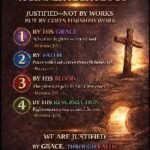 𝗛𝗢𝗪 𝗚𝗢𝗗 𝗗𝗘𝗖𝗟𝗔𝗥𝗘𝗦 𝗔 𝗦𝗜𝗡𝗡𝗘𝗥 𝗥𝗜𝗚𝗛𝗧𝗘𝗢𝗨𝗦
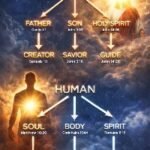 𝗚𝗢𝗗 𝗔𝗡𝗗 𝗠𝗔𝗡: 𝗥𝗜𝗚𝗛𝗧𝗟𝗬 𝗗𝗜𝗩𝗜𝗗𝗘𝗗 𝗗𝗘𝗦𝗜𝗚𝗡
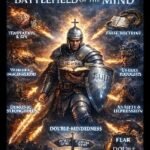 𝗕𝗘𝗟𝗜𝗘𝗩𝗘𝗥’𝗦 𝗕𝗔𝗧𝗧𝗟𝗘𝗙𝗜𝗘𝗟𝗗 𝗢𝗙 𝗧𝗛𝗘 𝗠𝗜𝗡𝗗
 𝗧𝗛𝗘 𝗖𝗥𝗢𝗦𝗦: 𝗚𝗢𝗗’𝗦 𝗣𝗢𝗪𝗘𝗥 𝗙𝗢𝗥 𝗦𝗔𝗟𝗩𝗔𝗧𝗜𝗢𝗡
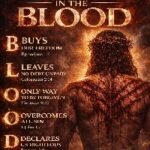 𝗧𝗛𝗘𝗥𝗘 𝗜𝗦 𝗣𝗢𝗪𝗘𝗥 𝗜𝗡 𝗧𝗛𝗘 𝗕𝗟𝗢𝗢𝗗 𝗢𝗙 𝗝𝗘𝗦𝗨𝗦 𝗖𝗛𝗥𝗜𝗦𝗧
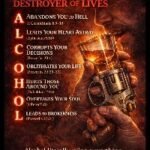 𝗔𝗟𝗖𝗢𝗛𝗢𝗟 — 𝗗𝗘𝗦𝗧𝗥𝗢𝗬𝗘𝗥 𝗢𝗙 𝗠𝗔𝗡𝗬 𝗟𝗜𝗩𝗘𝗦
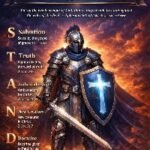 𝗧𝗛𝗘 𝗪𝗛𝗢𝗟𝗘 𝗔𝗥𝗠𝗢𝗥 𝗢𝗙 𝗚𝗢𝗗
 𝗕𝗘𝗪𝗔𝗥𝗘: 𝗦𝗔𝗧𝗔𝗡 𝗕𝗔𝗜𝗧𝗦 𝗛𝗜𝗦 𝗛𝗢𝗢𝗞 𝗪𝗜𝗧𝗛 𝗬𝗢𝗨𝗥 𝗙𝗔𝗩𝗢𝗥𝗜𝗧𝗘 𝗦𝗜𝗡